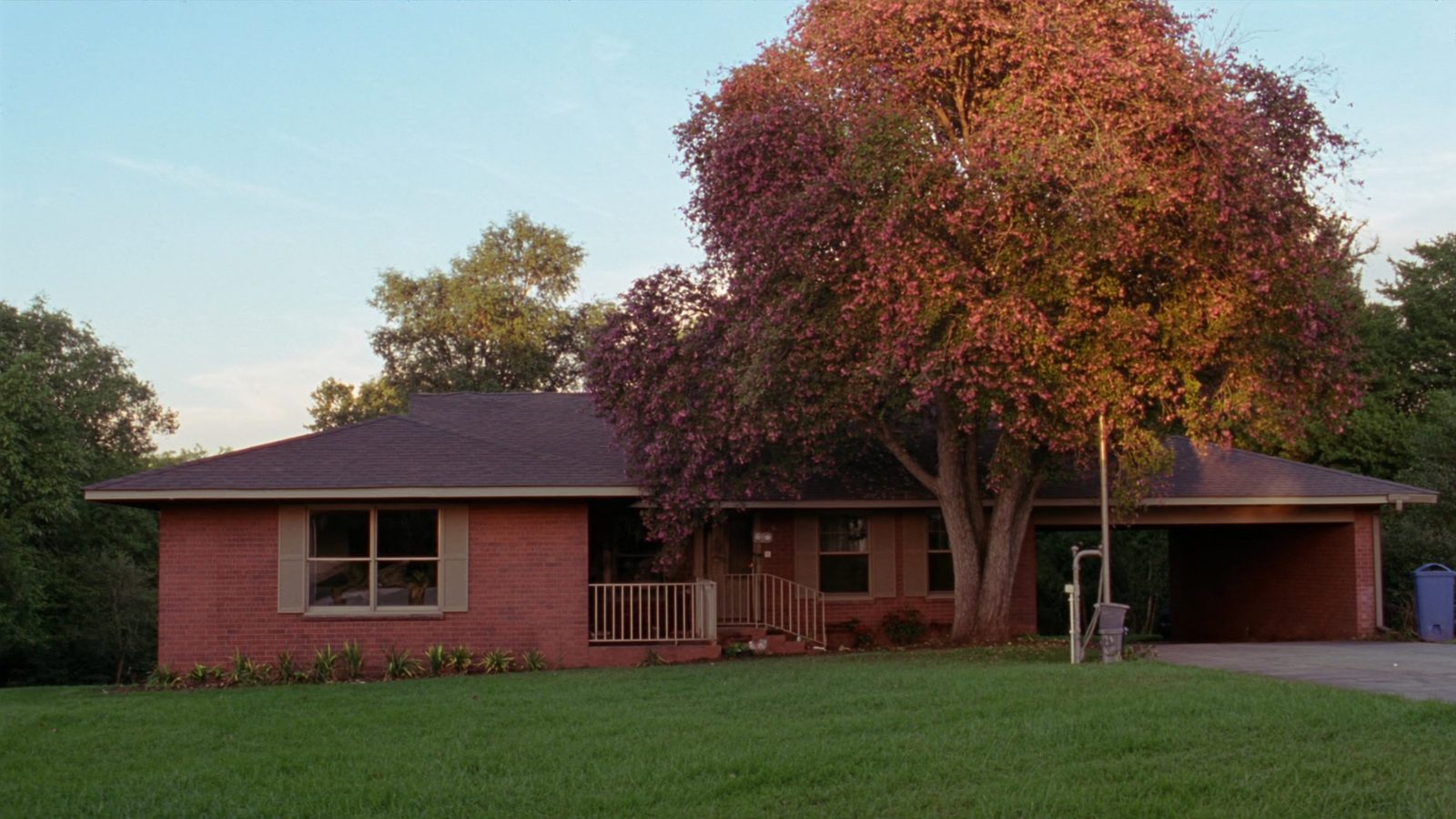
Charlotte is one of the fastest-growing metros in the Southeast, and the rental market reflects it. Over 90 people move to the Charlotte metro area every day. But not every neighborhood in Mecklenburg County makes sense for investors. Here is a data-driven breakdown of where the opportunities actually are in 2026.
Why Charlotte Rental Properties Make Sense in 2026
Before diving into specific neighborhoods, here is the macro picture that makes Charlotte attractive:
- Population growth fueling rental demand. Charlotte is the top migration destination from New York, Washington DC, Los Angeles, and San Francisco. These transplants arrive with income but without local housing - they rent first. That pattern creates a deep, consistent tenant pool.
- Market shifting to favor buyers. Homes are sitting 88 days on average, up 63 percent from last year. That means less competition, more negotiating power, and better acquisition pricing for investors.
- Lower property taxes than Texas. Mecklenburg County's effective tax rate of roughly 1 to 1.15 percent is about half what investors face in Bexar County or Tarrant County. That alone adds $200 to $400 per month in cash flow compared to an equivalent Texas investment.
- Corporate employment base. Bank of America, Lowe's, Honeywell, Duke Energy, and Truist Financial are all headquartered in or near Charlotte. Corporate employment creates stable, high-income renters - the kind who pay on time and stay longer.
- Price-per-square-foot declining. At $231 per square foot (down 2.5% year over year), values in certain segments are softening. For investors, softening means opportunity.
The Numbers: Charlotte Rental Market Overview
- Median sale price: $416,000 (up 1.5% YoY)
- Average days on market: 88 (up from 54 last year)
- Sale-to-list ratio: 97.9%
- Compete score: 48 (somewhat competitive)
- 3BR SFR rental range: $1,400 to $2,100/month depending on area
- Vacancy rate (metro): approximately 5 to 7 percent for SFR
Top Charlotte Neighborhoods for Rental Investors
1. West Charlotte - Westerly Hills, Enderly Park, Ashley Park
West Charlotte is the strongest cash-flow play in the metro right now. Entry prices for 3-bedroom homes range from $180,000 to $260,000 - significantly below the city median. Rents for updated 3/2 properties run $1,350 to $1,650 per month.
The area has seen steady investment over the past five years. New restaurants and retail along Wilkinson Boulevard, proximity to the airport, and improving infrastructure have pushed appreciation without pricing out the rental math. The 1 percent rule (monthly rent equals 1 percent of purchase price) is still achievable here - a rarity in most Charlotte neighborhoods.
Best for: Cash flow investors, BRRRR strategy, first-time rental property buyers
Watch out for: Some blocks remain rough. Drive every street before buying. Condition varies wildly house to house.
2. East Charlotte - Albemarle Road Corridor, Winterfield, Oakhurst
East Charlotte along the Albemarle Road corridor offers affordable entry with solid rental demand. Homes typically trade between $200,000 and $280,000. The area draws working families and young professionals priced out of neighborhoods closer to Uptown.
Rental rates for a standard 3/2 range from $1,400 to $1,750 per month. The area is ethnically diverse with strong tenant demand year-round. The Independence Boulevard development plans and Gold Line streetcar extension are long-term appreciation catalysts.
Best for: Buy-and-hold investors, value-add renovation plays
Watch out for: Some properties need significant work. Inspect thoroughly - deferred maintenance is common in older stock along Albemarle Road.
3. University City - UNCC Area, University Research Park
University City benefits from UNC Charlotte's 30,000+ student and staff population, plus the dense corporate employment at University Research Park. Rental demand is year-round and turnover is moderate.
Prices are higher here - $280,000 to $380,000 for a typical SFR - but rents are strong at $1,600 to $2,200 per month. The LYNX Blue Line light rail extension has improved connectivity to Uptown, which added a premium to properties within walking distance of stations.
Best for: Appreciation-focused investors, lower vacancy tolerance, premium tenant profile
Watch out for: Higher entry price narrows cash flow. Works better for investors prioritizing equity growth.
4. NoDa and Adjacent Areas - North Davidson, Optimist Park
NoDa (North Davidson) is Charlotte's arts district. It has gentrified significantly, and property values reflect that. But the neighborhoods immediately adjacent - Optimist Park, Villa Heights - still offer relative value for investors.
Expect to pay $260,000 to $350,000 for a SFR in the NoDa-adjacent zone. Rents for updated properties reach $1,700 to $2,200 per month. Young professionals, remote workers, and creatives dominate the tenant profile. Vacancy is low and tenant quality is generally high.
Best for: Premium rental plays, Airbnb/short-term rental (check local regulations), appreciation
Watch out for: NoDa proper is expensive. Look one to two streets outside the core for value. Short-term rental regulations in Mecklenburg County have tightened - verify compliance before building an STR strategy.
5. North Mecklenburg - Huntersville, Cornelius (Outer Ring)
The Lake Norman corridor north of Charlotte draws families who want suburban schools and space. Single-family rental demand from corporate relocations (Lowe's HQ is in Mooresville, just north) is consistent.
Prices range from $320,000 to $450,000, and rents hit $1,800 to $2,400 per month for 4-bedroom homes. The math is tighter than inner-city neighborhoods, but vacancy is extremely low and tenants tend to sign multi-year leases.
Best for: Low-maintenance, long-term-hold investors. Families who rent here stay 2 to 4 years on average.
Watch out for: HOA fees can cut into cash flow. Some subdivisions restrict or prohibit rentals entirely. Always verify HOA rules before purchasing.
6. South Charlotte - Steele Creek, Berewick
Steele Creek and the Berewick area in southwest Charlotte have exploded with new development. The Carowinds Boulevard corridor is adding retail, dining, and multifamily - all of which support SFR rental demand in surrounding neighborhoods.
Prices for investor-grade SFRs range from $290,000 to $400,000. Rents are $1,500 to $2,000 per month. The area draws young families and commuters working at the airport or in Rock Hill across the South Carolina border.
Best for: Newer construction rentals with lower maintenance costs, long-term appreciation
Watch out for: Newer doesn't mean no issues. Builder-grade finishes wear fast with tenants. Budget for flooring and appliance replacements within 3 to 5 years.
How to Analyze a Charlotte Rental Deal
Before buying any investment property in Charlotte, run these numbers:
- Gross rent multiplier (GRM). Purchase price divided by annual rent. Anything under 12 in Charlotte is worth analyzing further. Under 10 is strong.
- Cash-on-cash return. Annual pre-tax cash flow divided by total cash invested. Target 6 to 10 percent in Charlotte at current rates.
- Cap rate. Net operating income (rent minus operating expenses, before debt service) divided by purchase price. In Charlotte, expect 5 to 7.5 percent for well-bought SFRs.
- Operating expenses. Budget 40 to 50 percent of gross rent for taxes, insurance, management, maintenance, vacancy, and reserves. Charlotte's lower property taxes help here versus Texas.
- Breakeven occupancy. How many months of vacancy can you absorb before losing money? If your breakeven is above 85 percent occupancy, the deal is too tight.
Where to Source Off-Market Deals in Charlotte
The best rental property deals in Charlotte are not on the MLS. With 88 days on market, some end up there eventually, but by then the price reflects general market knowledge. To buy at investor pricing:
- Wholesalers. Charlotte has an active wholesale community. Build relationships with 3 to 5 consistent wholesalers who specialize in Mecklenburg, Gaston, and Union counties.
- Estate and probate sales. Inherited properties in Charlotte are often sold below market for speed and simplicity. Monitor Mecklenburg County probate filings.
- Investor marketplaces. Platforms like Home Pros Marketplace aggregate off-market inventory from motivated sellers - distressed properties, code violations, pre-foreclosures.
- Direct-to-seller outreach. Direct mail, driving for dollars, and door knocking in target neighborhoods. Old school but it works, especially in areas like West Charlotte and East Charlotte where absentee owners are common.
- Stale MLS listings. Properties that have been on the MLS for 90+ days. In Charlotte's current market, that is an increasing share of inventory. Submit aggressive offers - sellers who have been waiting three months are motivated.
Tax Advantages of Charlotte Rental Properties
Beyond cash flow and appreciation, Charlotte rental properties offer meaningful tax benefits:
- Depreciation. You can depreciate the building value (not land) over 27.5 years, creating a paper loss that offsets rental income on your tax return.
- North Carolina has no local income tax. The state income tax is a flat 4.5 percent as of 2026 - lower than many competing investment markets.
- 1031 exchanges. When you eventually sell, you can defer capital gains by rolling proceeds into another investment property.
- Cost segregation. For properties over $250,000, a cost segregation study can accelerate depreciation and generate significant tax savings in the first few years of ownership.
Consult a CPA who specializes in real estate investing. The tax benefits alone can turn a marginal deal into a strong one on an after-tax basis.
Get Access to Charlotte Investment Properties
Home Pros works with investors across the Charlotte metro. We source off-market properties in Mecklenburg County and surrounding areas - distressed homes, inherited properties, code violations, and motivated sellers who want a fast close.
If you are looking for your next Charlotte rental property, join the marketplace. New deals drop regularly.
Frequently Asked Questions
Is Charlotte NC a good city for rental property investment in 2026?
Yes. Charlotte continues to draw major migration from New York, Washington DC, and Los Angeles - creating sustained rental demand. The market is shifting to be more buyer-friendly (88 days on market, 63% increase YoY), which means motivated sellers and better acquisition pricing for investors.
What is the average rental rate for a single-family home in Charlotte NC?
For a standard 3-bedroom SFR in Charlotte, expect $1,400 to $2,100 per month depending on neighborhood, condition, and proximity to employment centers. Updated properties in high-demand areas like University City or Plaza Midwood can command $2,000+ per month.
Which Charlotte neighborhoods have the best cash flow for investors?
West Charlotte, East Charlotte near Albemarle Road, and parts of north Mecklenburg County offer the strongest cash-flow profiles due to lower entry prices. Neighborhoods like Westerly Hills, Enderly Park, and the NoDa adjacent areas balance affordability with improving tenant demand.
How do I find off-market rental properties in Charlotte NC?
Off-market properties in Charlotte come from wholesalers, direct-to-seller outreach, estate and probate sales in Mecklenburg County, and investor marketplaces like Home Pros. With days on market rising sharply, more sellers are open to off-market cash offers.
What are the property tax rates in Mecklenburg County for rental properties?
Mecklenburg County property tax rates are approximately 1.0 to 1.15 percent of assessed value. On a $300,000 rental property, expect roughly $3,000 to $3,450 per year in property taxes. This is notably lower than Texas markets, which improves Charlotte's cash flow profile.