Understanding how title companies verify ownership can seem complex, but it's actually a straightforward process designed to protect buyers and sellers. Having worked with title companies on thousands of real estate transactions over the past decade, I'll explain this process in simple terms. Whether you're buying or selling, understanding title verification helps you know what to expect and why it takes time.
Key Points
- Title companies trace property ownership history through public records
- They check for liens, encumbrances, and ownership disputes
- Title searches typically take 5-10 business days
- They verify the seller has legal right to sell the property
- Title insurance protects against hidden title defects
- Most issues can be resolved before closing
- Clear title is required for property transfer
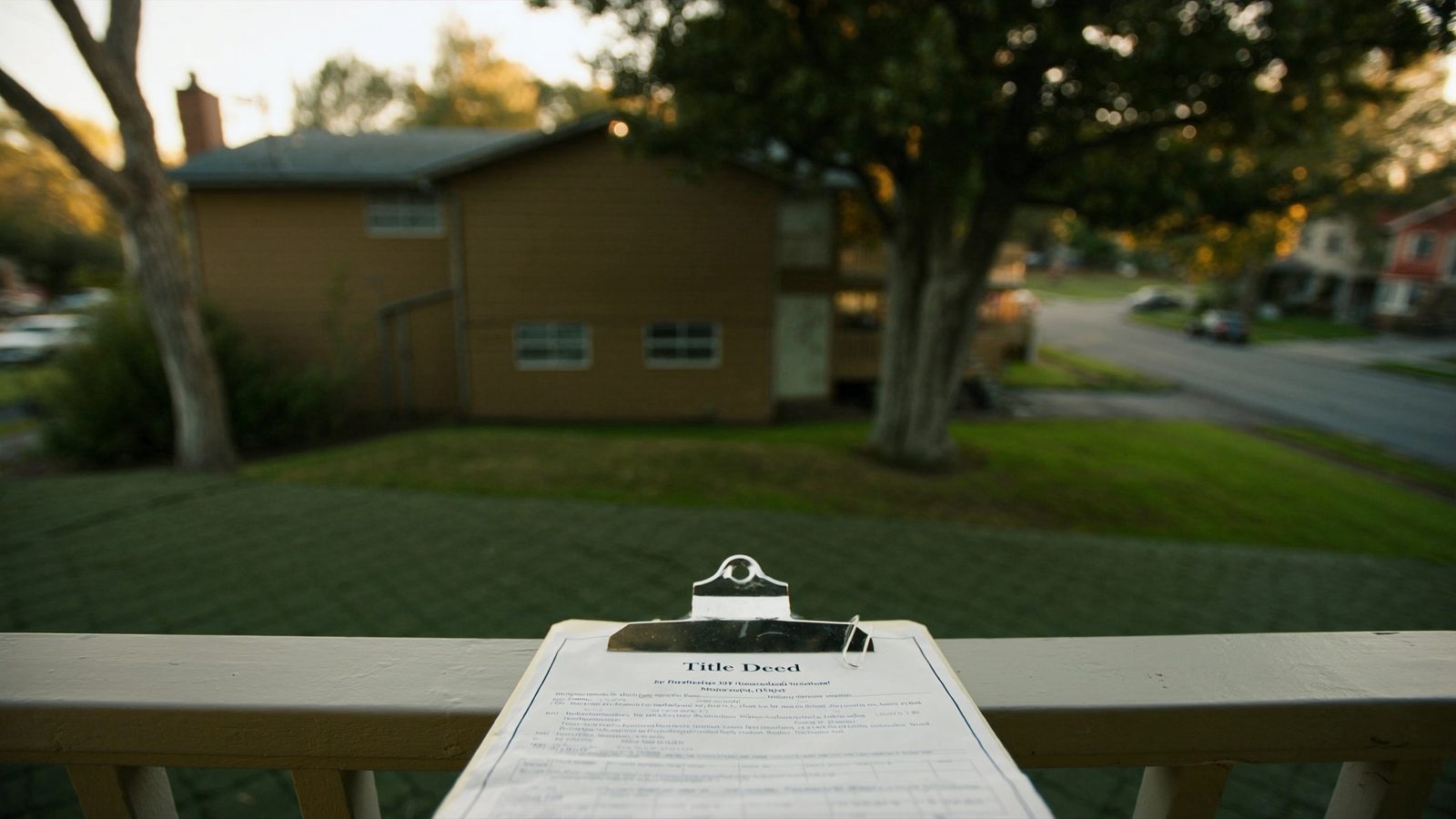
What is a Title Company and What Do They Do?
A title company is a business that specializes in verifying property ownership and ensuring "clear title" (meaning the property can be legally transferred without ownership disputes, liens, or other claims). Think of them as detectives who trace the property's entire ownership history to make sure everything is legitimate.
Title companies serve several important functions:
- Verify Ownership: Confirm the seller actually owns the property and has the right to sell it
- Identify Issues: Find any liens, encumbrances, or legal problems
- Issue Title Insurance: Protect buyers and lenders from future title problems
- Handle Closing: Coordinate the transfer of ownership and funds
The Title Search Process: Step by Step
Here's how title companies verify ownership, explained simply:
Step 1: Gathering Property Information
The process begins when the title company receives basic property information:
- Property address
- Current owner's name
- Legal description (from the deed)
- Parcel or tax ID number
Step 2: Searching Public Records
Title companies search through various public records to trace the property's ownership history. They check:
County Recorder's Office
This is where property deeds are recorded. The title company searches for:
- All deeds transferring ownership
- Mortgages and deeds of trust
- Liens filed against the property
- Easements and restrictions
- Release documents
Court Records
They check for:
- Lawsuits involving the property
- Judgments against owners
- Bankruptcy filings
- Probate cases (if owner died)
- Divorce decrees affecting the property
Tax Records
They verify:
- Property tax payment status
- Tax liens (if property taxes are unpaid)
- Special assessments
Step 3: Building the Chain of Title
The "chain of title" is the complete history of ownership transfers for the property. Title companies trace this back, ideally to the original land grant or at least 40-60 years. They verify:
- Each ownership transfer was legal and properly recorded
- No gaps in the ownership chain
- All previous owners had clear title
- No competing ownership claims
Example: If you're selling a house, the title company traces back: You ? Previous Owner ? Owner Before That ? Original Builder ? Original Landowner. They verify each transfer was legitimate.
Step 4: Identifying Issues and Encumbrances
While tracing ownership, title companies look for problems that could affect the sale:
Liens
- Mortgage liens: Loans secured by the property (usually paid at closing)
- Tax liens: Unpaid property or income taxes
- Mechanic's liens: Unpaid contractor bills
- HOA liens: Unpaid homeowners association fees
- Judgment liens: Court-ordered debts
Easements and Restrictions
- Utility easements (right to access for power lines, pipes)
- Right-of-way easements
- Restrictive covenants (HOA rules, building restrictions)
- Eminent domain issues
Ownership Problems
- Missing heirs who might have claims
- Forged or fraudulent documents
- Recording errors
- Boundary disputes
- Multiple people claiming ownership
Step 5: Creating the Title Report
After the search, the title company creates a comprehensive report detailing:
- Current owner's name and legal right to sell
- Complete ownership history
- All liens and encumbrances found
- Any issues that need resolution
- Requirements for clear title
What Title Companies Check: Common Items
Here's a detailed breakdown of what title companies examine:
Ownership Verification
- Current deed matches county records
- Seller's name matches current owner
- Property description is accurate
- No competing ownership claims
Financial Obligations
- Outstanding mortgages
- Unpaid property taxes
- HOA fees and assessments
- Special assessments
- Mechanic's liens
Legal Issues
- Pending lawsuits
- Judgments against owners
- Bankruptcy filings
- Probate requirements
- Estate matters
Property Rights
- Easements (utility, access)
- Restrictions and covenants
- Zoning issues
- Boundary disputes
How Long Does a Title Search Take?
Title searches typically take 5-10 business days, though timing varies based on several factors:
Factors Affecting Timeline
- Property History: Older properties or those with many previous owners take longer
- Record Quality: Well-maintained records speed up the process
- Issues Found: Discovering problems requires additional research
- County Efficiency: Some counties have faster access to records
- Property Type: Complex properties (condos, commercial) may take longer
Our Experience: In our transactions, most title searches complete within 7-10 business days. Complex properties or those with issues can take 2-3 weeks or longer.
What Happens if Issues Are Found?
If the title company finds problems, they must be resolved before closing. Common issues and resolutions include:
Unpaid Liens
Problem: Tax liens, mechanic's liens, or judgment liens against the property
Solution: Liens must be paid off from sale proceeds or by the seller before closing
Missing Documents
Problem: Gaps in the chain of title or missing recorded documents
Solution: Obtain missing documents or file corrective documents
Ownership Disputes
Problem: Multiple people claiming ownership or missing heirs
Solution: Legal resolution may be required, which can delay closing
Recording Errors
Problem: Mistakes in previous deeds or records
Solution: File corrective documents with the county recorder
Important Note: Most issues can be resolved, but they may delay closing. The title company will work with all parties to resolve problems, but complex issues can take weeks or even months.
Why Title Insurance Matters
Even with a thorough title search, some issues might not be discovered. Title insurance protects against:
Hidden Defects
- Forged documents that weren't detected
- Missing heirs who surface later
- Recording errors discovered after closing
- Undisclosed easements
- Fraud or identity theft
What Title Insurance Covers
According to the American Land Title Association, title insurance typically covers:
- Legal fees to defend your title
- Financial losses if title is found defective
- Costs to clear title issues
- Loss of property value due to title problems
Types of Title Insurance:
- Owner's Policy: Protects the buyer (usually paid by seller)
- Lender's Policy: Protects the mortgage lender (usually paid by buyer)
Common Questions About Title Verification
Can You Sell Without Title Insurance?
Technically yes, but it's risky. Most lenders require title insurance, and smart buyers won't purchase without it. Title insurance is a one-time cost that provides lifetime protection.
What if the Seller Doesn't Have Clear Title?
Issues must be resolved before closing. The seller typically pays to clear title issues, though this can sometimes be negotiated. If issues can't be resolved, the sale may not proceed.
Do Cash Buyers Need Title Insurance?
While not legally required for cash buyers, title insurance is still highly recommended. It protects against future claims and title defects. Most cash buyers still purchase title insurance for protection.
Who Chooses the Title Company?
In most states, the buyer chooses the title company. However, this is often negotiable. The seller may have a preference, but the buyer's choice is typically honored.
How to Prepare for Title Verification
If you're selling, here's how to prepare:
- Gather Documents: Have your deed, previous title insurance, and any relevant documents ready
- Check for Liens: Verify you don't have unpaid liens
- Pay Taxes: Ensure property taxes are current
- Resolve Issues: Address any known title problems early
- Be Transparent: Disclose any known issues to the buyer and title company
Additional Resources
For more information about title companies, title insurance, and property ownership, visit these authoritative sources:
- American Land Title Association - Title insurance and industry standards
- National Association of Realtors - Real estate transaction information
- HUD (Housing and Urban Development) - Housing regulations and resources
Conclusion
Title companies play a crucial role in real estate transactions by verifying ownership and ensuring clear title. Their thorough process protects both buyers and sellers from future problems. Understanding how they work helps you know what to expect during your home sale or purchase.
The title verification process, while sometimes time-consuming, provides important protection. Issues discovered during the title search can usually be resolved, but it's important to be patient and work with your title company to address any problems.
At Home Pros, we've worked with title companies on thousands of transactions. We understand the process and can help guide you through it. If you're selling your house and want to work with experienced professionals who understand title verification, get your free cash offer today. Or call us at (830) 510-1597 to speak with one of our real estate experts.
Ready to Sell Your House Fast?
Get your free cash offer in 24 hours. No obligations, no pressure.
Get My Cash OfferOr call us: (830) 510-1597