Selling a house in probate can seem complex, but with the right knowledge and approach, it's entirely manageable. Having worked with hundreds of families navigating probate sales, I understand the challenges and can guide you through the process. This comprehensive guide explains how to sell property in probate, from getting court approval to closing the sale, so you can move forward confidently.
Key Takeaways
- You can sell property in probate, but court approval is usually required
- Getting court approval typically takes 1-3 months
- You need valid reasons: paying debts, high maintenance costs, or preserving value
- Professional appraisal is usually required by the court
- All heirs must be notified of the proposed sale
- Cash buyers can close quickly once court approval is granted
- Sale proceeds go to the estate, not directly to heirs
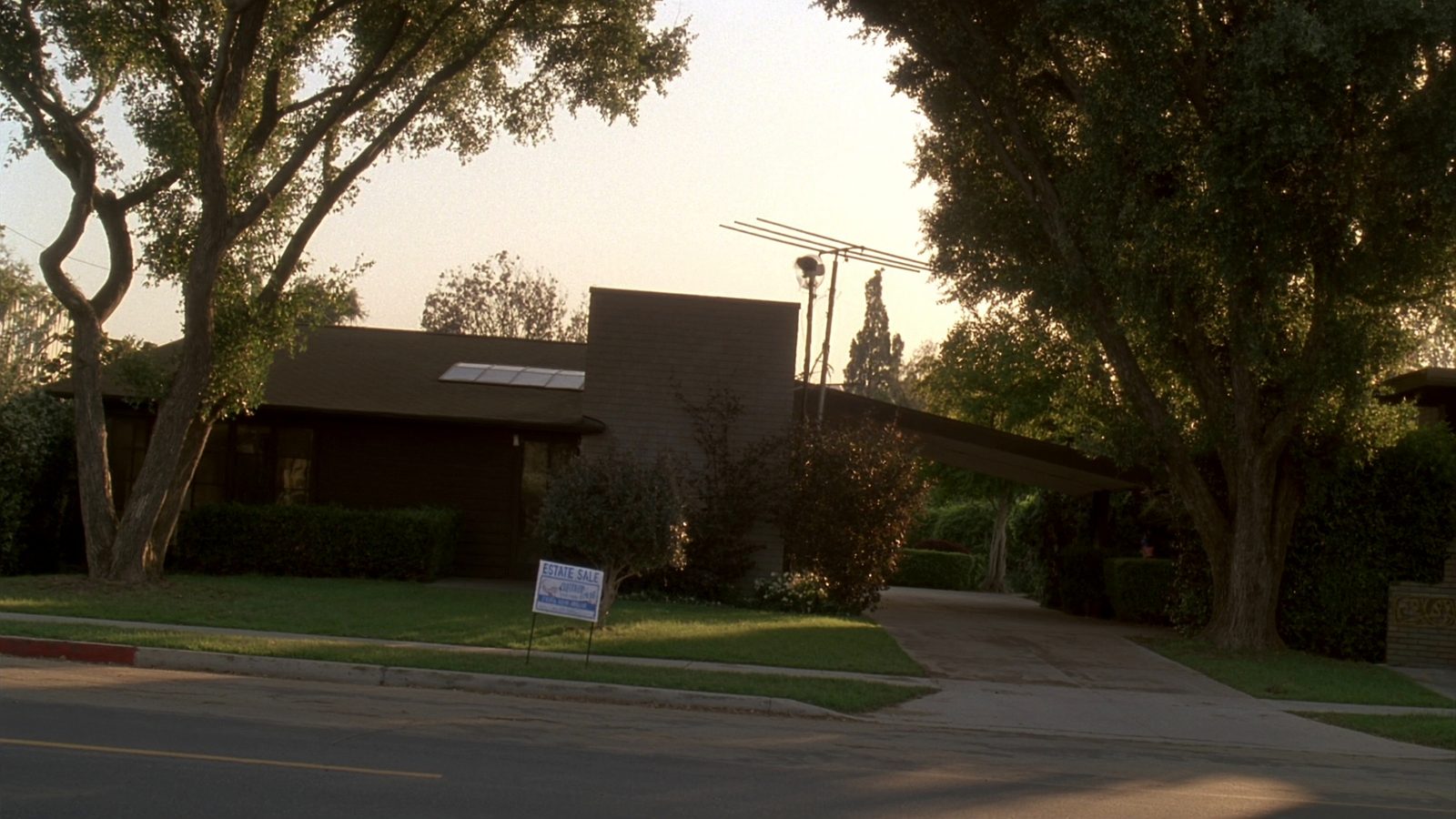
What Does It Mean When Property is in Probate?
Probate is the legal process of administering a deceased person's estate, including validating the will (if one exists), paying debts, and distributing assets to heirs. When property is "in probate," it means the probate court has jurisdiction over the property and it cannot be sold without court approval.
Why Probate is Required
Probate serves several important purposes:
- Validates the Will: Court confirms the will is valid and authentic
- Appoints Executor: Court appoints someone to manage the estate
- Identifies Heirs: Determines who is entitled to inherit
- Pays Debts: Ensures creditors are paid before assets are distributed
- Transfers Title: Legally transfers property ownership to heirs
How Long Does Probate Take?
Probate timelines vary significantly:
- Simple Estates: 6-9 months (no disputes, few assets)
- Average Estates: 9-12 months (some complexity, multiple heirs)
- Complex Estates: 18-24+ months (disputes, contested wills, many assets)
Our Experience: In our work with probate properties, we've seen probate complete in as little as 4 months for simple estates, and as long as 3 years for complex cases with disputes. The key is working efficiently with your probate attorney and addressing issues promptly.
Can You Sell a House While It's in Probate?
Yes, you can sell a house during probate, but you need court approval first. Here's what you need to know:
The General Rule
In most states, the executor or administrator cannot sell real estate during probate without court approval. This protects heirs and ensures the sale is in the estate's best interest.
When Court Approval May Not Be Needed
In some cases, you may be able to sell without court approval if:
- The will specifically authorizes the executor to sell without court approval
- All heirs consent to the sale
- You're selling after probate has completed
- State law allows independent administration (some states)
Important: Always consult with your probate attorney about your specific situation. Selling without required approval can invalidate the sale and create legal problems.
How to Get Court Approval to Sell Property in Probate
Getting court approval requires a specific process. Here's how it works:
Step 1: Determine If You Have Valid Reasons
Courts typically approve sales when there's a legitimate need. Valid reasons include:
Financial Necessity
- Estate needs funds to pay debts or taxes
- Property has outstanding mortgage payments
- Estate lacks cash to cover expenses
Property Preservation
- High maintenance costs are depleting estate
- Property is declining in value
- Property requires expensive repairs
- Risk of foreclosure or tax lien
Practical Considerations
- Property is vacant and at risk
- Heirs agree sale is best option
- Property is difficult to maintain long-term
Step 2: File a Petition with the Probate Court
Your probate attorney will file a petition requesting permission to sell. The petition should include:
- Description of the property
- Reason for the sale
- Proposed sale price or range
- Appraisal or market analysis
- Information about heirs and interested parties
Step 3: Obtain a Professional Appraisal
Courts almost always require a professional appraisal to ensure you're getting fair market value. The appraisal should be:
- Completed by a licensed appraiser
- Recent (usually within 60-90 days)
- Comprehensive (full property inspection and market analysis)
- Submitted with your petition
Cost: Appraisals typically cost $300-$600 for residential properties. This expense comes from estate funds.
Step 4: Notify All Interested Parties
You must provide notice to:
- All named heirs in the will
- All potential heirs (if no will)
- Known creditors
- Anyone with interest in the property
Notice is typically given by mail, and parties have a specified time (usually 14-30 days) to object to the sale.
Step 5: Attend the Court Hearing
The court will schedule a hearing to consider your petition. At the hearing:
- The judge reviews your petition and appraisal
- Interested parties can object or support the sale
- You or your attorney present arguments for why the sale should be approved
- The judge makes a decision
Step 6: Receive Court Order
If approved, the court issues an order authorizing the sale. This order:
- Gives you legal authority to sell
- May specify minimum sale price
- May require additional reporting
- Must be provided to the title company at closing
Timeline: The entire approval process typically takes 1-3 months from filing the petition to receiving the order.
The Probate Sale Process: Step by Step
Once you have court approval, here's how the sale process works:
1. Market the Property
You can list the property with a realtor or work with cash buyers. Consider:
- Traditional Sale: Higher price potential but takes 60-90 days
- Cash Sale: Faster (7-30 days), as-is purchase, fewer complications
2. Accept an Offer
Review offers and select the best one. The court may require you to accept the highest offer or may give you discretion.
3. Complete Due Diligence
Buyer conducts inspections and title review. For cash buyers, this process is typically faster and less extensive.
4. Close the Sale
Closing occurs at a title company. You'll need:
- Court order authorizing sale
- Letters testamentary (if executor) or letters of administration
- Property deed
- Death certificate
- Identity documents
5. Distribute Proceeds
Sale proceeds go into the estate account. The executor must:
- Pay estate debts and expenses
- Pay any mortgages or liens
- Pay estate taxes
- Distribute remaining proceeds to heirs
Why Cash Buyers Work Well for Probate Sales
Based on our experience with probate properties, cash buyers offer several advantages:
Speed
Once you have court approval, cash buyers can close in 7-30 days vs. 60-90 days for traditional sales. This is especially valuable since probate already takes months.
Simplicity
Cash sales have fewer contingencies and complications. This reduces the risk of delays that could frustrate the probate court or require additional approvals.
As-Is Purchase
Probate properties often need repairs or cleaning. Cash buyers purchase as-is, so you don't need to invest estate funds in improvements.
Understanding of Process
Experienced cash buyers understand probate requirements and know what documentation is needed. This makes the process smoother.
Real Example: We recently helped a family in Houston sell a probate property. After they received court approval, we closed in 12 days, allowing them to distribute proceeds to heirs quickly and close the estate.
Common Challenges in Probate Sales
Here are common challenges and solutions based on our experience:
Challenge 1: Multiple Heirs Disagree
Problem: Heirs disagree on whether to sell or what price to accept
Solution: Court can order sale if it's in estate's best interest. Alternatively, get as many heirs as possible to agree, or work with a mediator. Clear communication about estate needs (debts, expenses) often helps reach consensus.
Challenge 2: Property Needs Repairs
Problem: Property condition makes traditional sale difficult
Solution: Cash buyers purchase as-is, eliminating need for repairs. This is often the best option for probate properties in poor condition.
Challenge 3: Ongoing Expenses
Problem: Mortgage, taxes, insurance, and utilities continue during probate
Solution: Estate funds should cover expenses. If insufficient, early sale approval may be easier to obtain, as courts understand the need to preserve estate value.
Challenge 4: Court Delays
Problem: Court hearings and approvals take longer than expected
Solution: Work closely with your probate attorney to ensure all paperwork is complete and filed correctly. Promptly respond to court requests to avoid delays.
Additional Resources
For more information about probate and selling property, visit these authoritative sources:
- American Bar Association - Legal resources and attorney referrals
- National Association of Realtors - Real estate transaction information
- IRS - Tax information for estate sales
Conclusion
Selling property in probate requires patience and proper legal process, but it's definitely achievable. The key is getting court approval, which typically takes 1-3 months, then working with buyers who can close quickly once approval is granted.
Cash buyers like Home Pros understand probate sales and can help you sell quickly once you have court approval. We've helped hundreds of families navigate probate sales and can guide you through the process.
If you're dealing with a probate property and need to sell, get your free cash offer today. We can evaluate your property and explain how we can help once you have court approval. Or call us at (830) 510-1597 to speak with one of our real estate experts.
Ready to Sell Your Probate Property?
Get your free cash offer in 24 hours. We work with probate properties and understand the process.
Get My Cash OfferOr call us: (830) 510-1597