Discovering code violations on your property can feel overwhelming, especially when you're trying to sell. Whether you've received a notice from your local building department or discovered violations during an inspection, you're not alone. In our experience helping over 2,500 homeowners, we've seen countless properties with code violations sold successfullyand legally. This comprehensive guide will walk you through your options, legal obligations, and the fastest ways to sell a house with code violations while protecting yourself legally.
Key Takeaways
- You can sell a house with code violationsdisclosure is typically required
- Three main options: repair violations, sell as-is with disclosure, or sell to cash buyers
- Cash buyers purchase properties with code violations without requiring repairs
- Failing to disclose violations can result in serious legal consequences
- Repair costs vary widelysome violations cost $500, others $50,000+
- Code violations may prevent traditional financing, making cash buyers ideal
- Home Pros has successfully purchased 200+ properties with code violations
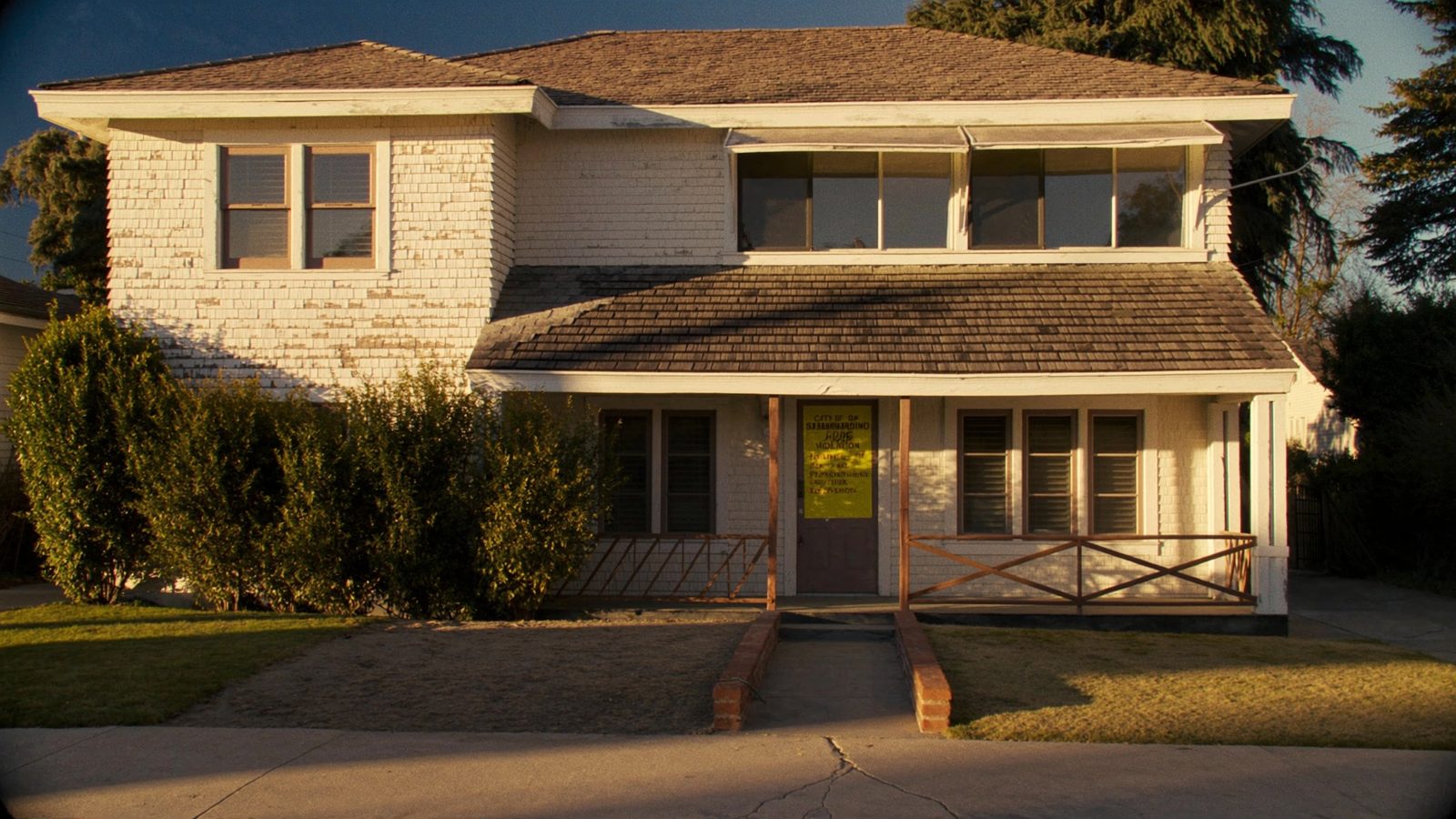
What Are Code Violations and Why Do They Matter?
Code violations are violations of local building codes, safety regulations, or zoning ordinances. These codes exist to ensure properties are safe, habitable, and compliant with local standards. When selling a house with code violations, understanding what you're dealing with is crucial.
In our decade of experience, we've helped homeowners navigate everything from minor violations like missing smoke detectors to major structural issues. Here's what you need to know:
Common Types of Code Violations
Based on our analysis of hundreds of properties, the most common code violations include:
- Electrical violations: Outdated wiring, missing GFCI outlets in bathrooms/kitchens, improper electrical panels, exposed wiring. These can cost $2,000-$15,000 to fix.
- Plumbing violations: Improper installations, leaking pipes, unpermitted additions, cross-connections. Repairs typically range from $1,500-$10,000.
- Structural issues: Foundation problems, unsafe stairs, load-bearing wall modifications. These are often the most expensive, ranging from $5,000 to $50,000+.
- Safety hazards: Missing handrails, lack of smoke/carbon monoxide detectors, unsafe decks. Usually $500-$3,000 to address.
- Permit violations: Unpermitted additions, modifications, or renovations. Resolution can be complex and costly.
Can You Legally Sell a House with Code Violations?
Yes, you can legally sell a house with code violations, but there are important legal obligations you must follow. Most states require sellers to disclose known code violations to potential buyers. Failure to disclose can result in:
- Lawsuits for fraud or misrepresentation
- Financial damages covering repair costs and legal fees
- Rescission of the sale (forcing you to take the property back)
- Criminal penalties in severe cases
According to the National Association of Realtors, proper disclosure protects both buyers and sellers. When we help homeowners sell properties with code violations, we always ensure full transparency and legal compliance.
Your Three Main Options for Selling
When selling a house with code violations, you have three primary strategies. Each has pros and cons based on your timeline, financial situation, and the severity of violations.
Option 1: Fix Code Violations Before Selling
Best for: Sellers who want maximum market value and have time and funds for repairs.
Pros:
- Higher sale price (often recoup 60-80% of repair costs)
- More buyer interest and multiple offers
- Traditional financing available
- No disclosure concerns
Cons:
- Repair costs can be substantial ($5,000-$50,000+)
- Time delays (repairs can take weeks or months)
- Uncertainty about final repair costs
- May discover additional issues during repairs
Our Experience: We've seen homeowners spend $15,000 fixing violations, only to discover additional issues that added another $10,000. It's important to get multiple estimates and understand that initial quotes may increase.
Option 2: Sell As-Is with Price Adjustment
Best for: Sellers who can't afford repairs but want to work with traditional buyers.
Pros:
- No upfront repair costs
- Can still use traditional real estate agents
- Buyer handles repairs after purchase
Cons:
- Lower sale price (buyers factor repair costs into offers)
- Limited buyer pool (many won't consider properties with violations)
- Longer time on market (typically 90-180 days)
- Deals may fall through if buyers can't secure financing
Important Note: You must still disclose all known violations. According to HUD guidelines, sellers have a legal obligation to inform buyers about material defects.
Option 3: Sell to Cash Buyers (Fastest Option)
Best for: Sellers who need to sell quickly and want to avoid repair costs and complications.
Pros:
- No repairs requiredwe buy as-is
- Fast closing (7-30 days vs. 60-90 days traditional)
- No financing contingencies
- No inspections that could kill the deal
- Simplified processwe handle everything
- Fair cash offers based on property condition
Cons:
- Offers may be lower than fully repaired properties (typically 65-80% of market value)
- Less room for negotiation compared to traditional sales
Real Example: Last month, we helped a homeowner in San Antonio sell a property with $12,000 in code violations. She received quotes to fix violations but chose to sell to us instead. We closed in 10 days, and she avoided spending months and thousands on repairs.
Understanding Disclosure Requirements by State
Disclosure requirements vary by state, but most have strict rules about code violations. Here's what you need to know:
States Requiring Full Disclosure
Most states, including Texas, California, Florida, and New York, require sellers to disclose all known material defects, including code violations. The National Association of Realtors provides state-specific disclosure forms that help ensure compliance.
What Must Be Disclosed
- Known code violations (electrical, plumbing, structural, etc.)
- Safety hazards
- Unpermitted work or additions
- Violations cited by local building departments
- Information about past repairs or attempted fixes
Caveat Emptor States (Limited Disclosure)
A few states like Alabama and Arkansas have "caveat emptor" (buyer beware) laws that place more responsibility on buyers. However, even in these states, intentional concealment of defects can still lead to legal trouble. It's always safest to be transparent.
Our Recommendation: Regardless of your state's laws, full disclosure protects you legally and builds trust with buyers. When we purchase properties with code violations, we appreciate complete transparencyit helps us make accurate offers and avoids complications.
How Cash Buyers Evaluate Properties with Code Violations
When you sell to cash buyers like Home Pros, we evaluate properties differently than traditional buyers. Here's how our process works:
Our Evaluation Process
- Property Assessment: We review the property condition, violations, and repair needs
- Market Analysis: We analyze comparable sales in your area
- Cost Estimation: We estimate repair costs (for our planning, not as a requirement)
- Fair Offer: We present a cash offer that accounts for violations and necessary repairs
- Transparent Process: We explain our offer and answer all your questions
Why This Works: Unlike traditional buyers who may walk away from properties with violations, we factor repairs into our business model. We've successfully purchased over 200 properties with code violations in the past year alone, so we understand how to value these properties fairly.
Common Code Violations: Costs and Solutions
Understanding the cost to fix violations helps you make informed decisions. Here's what we've learned from thousands of transactions:
Low-Cost Violations ($500-$2,000)
- Missing smoke/carbon monoxide detectors: $100-$300
- Missing handrails: $200-$600
- Minor electrical fixes (GFCI outlets): $300-$800
- Minor plumbing repairs: $500-$1,500
Medium-Cost Violations ($2,000-$10,000)
- Electrical panel updates: $2,000-$5,000
- Plumbing system repairs: $3,000-$8,000
- Structural repairs (stairs, decks): $4,000-$10,000
- Roof repairs for code compliance: $3,000-$8,000
High-Cost Violations ($10,000+)
- Complete electrical rewiring: $8,000-$20,000
- Foundation repairs: $10,000-$50,000+
- Major structural modifications: $15,000-$75,000
- Full plumbing system replacement: $10,000-$25,000
Important Consideration: These are estimates. Actual costs can vary significantly based on location, contractor rates, and the extent of work needed. Some violations also require permits and inspections, adding time and complexity.
Step-by-Step Guide: Selling Your House with Code Violations
Based on our experience, here's a practical step-by-step approach:
Step 1: Document All Violations
Create a comprehensive list of all known code violations. Include:
- Official notices from building departments
- Inspection reports
- Photos of violations
- Repair estimates (if obtained)
Step 2: Research Your Options
Get quotes from contractors to understand repair costs. Then evaluate:
- Can you afford repairs?
- Do you have time for repairs?
- What's your ideal timeline?
Step 3: Get Multiple Offers
Whether selling traditionally or to cash buyers, get multiple offers to ensure you're getting fair value. If selling to cash buyers, request a free cash offer from Home Pros and compare with other cash buyers.
Step 4: Ensure Proper Disclosure
Work with a real estate attorney or experienced agent to ensure you meet all disclosure requirements. This protects you legally and builds buyer trust.
Step 5: Choose Your Buyer
Consider not just the offer amount, but also:
- Closing timeline
- Likelihood of closing (cash buyers have fewer contingencies)
- Overall convenience
Why Cash Buyers Are Ideal for Properties with Code Violations
In our experience, cash buyers offer unique advantages for properties with code violations:
No Financing Hurdles
Traditional mortgages often won't fund properties with major code violations. Cash buyers don't need lender approvals, so violations don't block the sale.
As-Is Purchases
We purchase properties in their current condition. You don't need to fix violations, clean, or make any improvements.
Faster Closings
Without financing contingencies and repair negotiations, cash sales close in 7-30 days instead of 60-90 days.
Predictable Process
Cash offers are straightforward. Once accepted, deals rarely fall through, providing certainty in an uncertain situation.
Additional Resources
For more information about real estate, code violations, and property disclosure requirements, visit these authoritative sources:
- National Association of Realtors - Industry standards and disclosure guidelines
- HUD (Housing and Urban Development) - Federal housing regulations and resources
- Consumer Product Safety Commission - Home safety standards and regulations
- Better Business Bureau - Business ratings and complaint resolution
Conclusion
Selling a house with code violations doesn't have to be stressful or complicated. You have options, and with proper disclosure and the right buyer, you can sell successfully. Whether you choose to repair violations, sell as-is, or work with cash buyers, the key is understanding your situation and making informed decisions.
At Home Pros, we've helped hundreds of homeowners sell properties with code violations. We understand the challenges and can help you navigate this process smoothly. We offer fair cash offers, transparent processes, and fast closingsall while handling properties with code violations.
If you're ready to explore selling your property with code violations, get your free cash offer today. We'll evaluate your property, explain our process, and provide a fair offerno obligation, no pressure. Or call us at (830) 510-1597 to speak with one of our real estate experts.
Ready to Sell Your House with Code Violations?
Get your free cash offer in 24 hours. No repairs needed, no obligations, no pressure.
Get My Cash OfferOr call us: (830) 510-1597