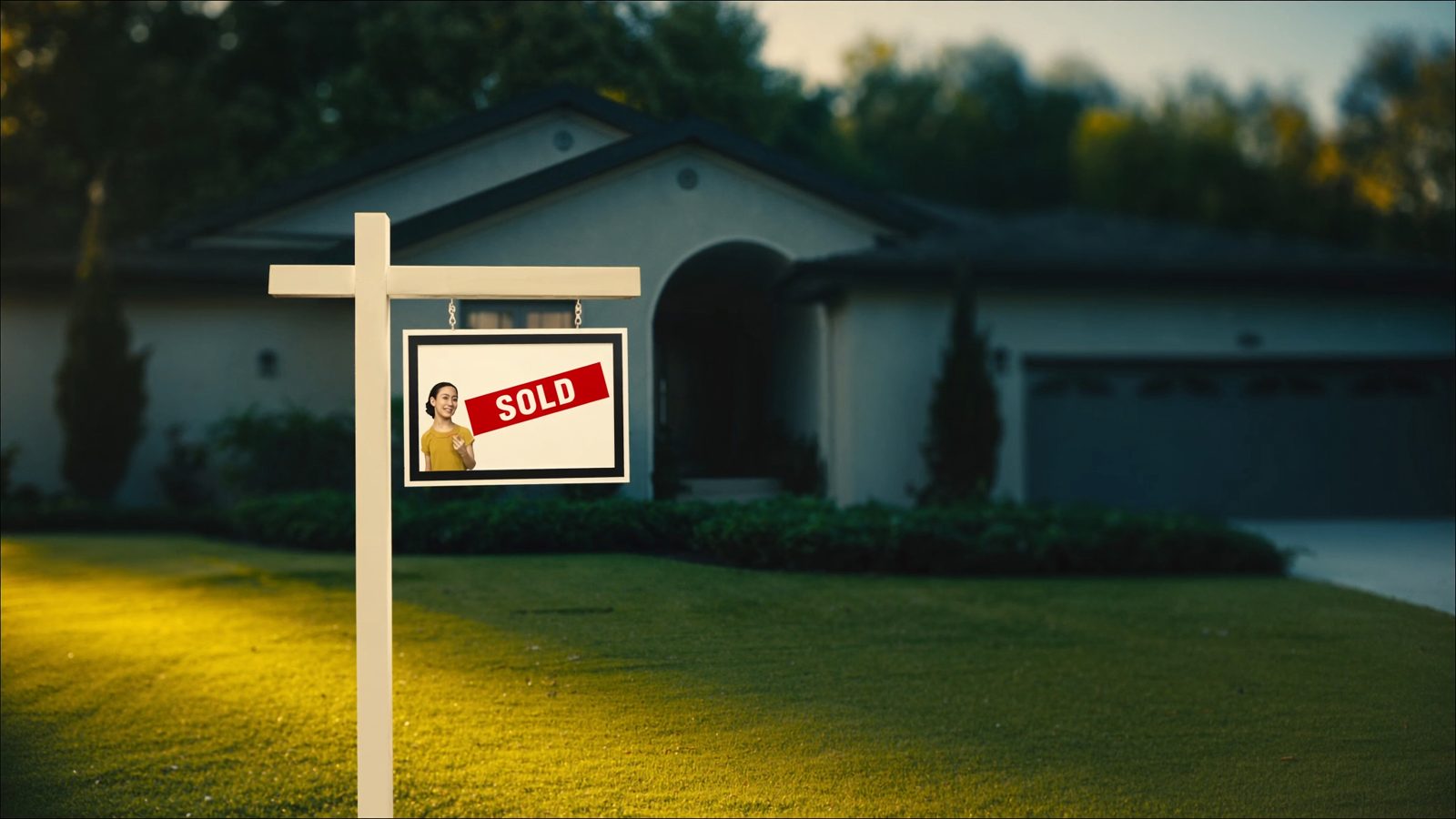
Clicks alone don't close deals. Converting them into closings is the real challenge, and as OpenCart's guide on optimizing real estate campaigns for higher ROI argues, it takes a strategic approach that goes beyond basic advertising. That's true for agents and investors, and it's true for a cash home buying company like Home Pros.
Generating clicks isn't enough. The real challenge is converting those clicks into actual closings.
Key Takeaways
- Get a fair cash offer in 24 hours with no obligations
- Close in as little as 7-14 days, on your timeline
- No repairs needed: we buy houses in any condition
- Zero fees, commissions, or closing costs
- Work with experienced professionals who've helped 2,500+ homeowners
- Transparent process with no hidden surprises
- Available nationwide with local expertise
Understanding Real Estate Marketing ROI
Return on Investment (ROI) in real estate marketing measures how well your advertising spend works, and it's calculated by comparing the revenue generated from your marketing efforts against the total cost of those campaigns. A successful real estate marketing campaign should generate at least 3-5x return on investment to be considered profitable.
At Home Pros, we've learned that high ROI comes from spending smarter, not spending more. Our experience with thousands of homeowners has shown us that targeted, data-driven campaigns consistently outperform broad, unfocused advertising efforts.
The Real Estate Marketing Funnel: From Awareness to Closing
The real estate marketing funnel typically has four stages:
- Awareness Stage: Potential clients first learn about your services through ads, content, or referrals
- Consideration Stage: Prospects research your company, read reviews, and compare options
- Decision Stage: Qualified leads request offers, schedule consultations, or submit property information
- Closing Stage: Deals are finalized and properties are purchased
Each stage needs its own tactics and messaging.
Key Strategies for Optimizing Real Estate Campaigns
1. Target the Right Audience
One of the biggest mistakes in real estate marketing is casting too wide a net, so instead of trying to reach everyone, focus on your ideal customer profile, which for cash home buying companies typically includes:
- Homeowners facing foreclosure or financial hardship
- Property owners with inherited homes they need to sell quickly
- Homeowners relocating for work who need fast closings
- Property owners with homes in need of significant repairs
- Real estate investors looking to liquidate properties
Narrow targeting like this brings in leads that are more likely to convert.
2. Leverage Data-Driven Decision Making
Track these numbers on every campaign:
- Cost Per Lead (CPL): How much you spend to acquire each lead
- Lead-to-Close Rate: Percentage of leads that result in completed transactions
- Customer Acquisition Cost (CAC): Total cost to acquire a paying customer
- Lifetime Value (LTV): Total revenue generated from a customer over time
- Conversion Rate: Percentage of website visitors who take desired actions
Watch them and you'll see which campaigns are working, so you can move budget toward them. At Home Pros, we've found that campaigns with conversion rates above 3% typically deliver strong ROI.
3. Optimize Your Conversion Funnel
Many real estate companies generate plenty of clicks but struggle with conversions. To improve your click-to-close rate:
- Simplify Your Website: Make it easy for visitors to request offers or contact you
- Use Clear Calls-to-Action: Guide visitors toward specific actions like "Get Your Free Cash Offer"
- Reduce Friction: Minimize form fields and simplify the inquiry process
- Provide Social Proof: Display reviews, testimonials, and case studies prominently
- Mobile Optimization: Ensure your site works perfectly on mobile devices, where most real estate searches begin
4. Multi-Channel Marketing Approach
Relying on a single marketing channel is risky. The most successful real estate companies use a combination of:
- Google Ads: Capture high-intent searches like "sell my house fast" or "cash home buyers"
- Facebook and Instagram Ads: Reach homeowners through targeted display campaigns
- Local SEO: Appear in local search results when homeowners search for solutions
- Content Marketing: Build authority and trust through helpful blog posts and guides
- Email Marketing: Nurture leads and maintain relationships with past clients
Spreading spend across channels lowers your risk, and it shows you which one works best in your market.
5. A/B Testing and Continuous Optimization
What works today might not work tomorrow, so keep testing:
- Ad copy and headlines
- Landing page designs
- Call-to-action buttons
- Targeting parameters
- Bidding strategies
Even small gains in conversion rate show up on the bottom line.
Real-World Example: Home Pros Marketing Strategy
At Home Pros, we've built our marketing strategy around ROI optimization. Here's what we've learned:
Focus on Quality Over Quantity: We'd rather spend $500 on a campaign that generates 10 high-quality leads than $500 on a campaign that generates 100 low-quality leads, because quality leads convert at much higher rates.
Track Everything: We monitor every marketing dollar spent and attribute revenue back to specific campaigns, which lets us double down on what works and drop what doesn't.
Optimize for Speed: In the cash home buying business speed matters, so our marketing emphasizes quick closings and fast offers, which resonates with our target audience of homeowners who need to sell quickly.
Build Trust: Real estate transactions require significant trust, so our marketing focuses on transparency, reviews, and clear communication, all of which improve conversion rates.
Common Mistakes That Kill ROI
Many real estate companies make these costly mistakes:
- Not Tracking ROI: If you don't measure it, you can't improve it. Implement proper tracking from day one.
- Ignoring Mobile Users: Over 70% of real estate searches happen on mobile, and if your site isn't mobile-optimized, you're losing leads.
- Poor Landing Pages: Driving traffic to a generic homepage instead of a targeted landing page wastes ad spend.
- Neglecting Follow-Up: Many leads require multiple touchpoints before converting, which is where automated follow-up sequences can significantly improve ROI.
- Chasing Vanity Metrics: High click counts or social media likes don't pay the bills, so focus on metrics that directly impact revenue.
Measuring Success: Key Performance Indicators
These are the KPIs we'd track:
- Marketing ROI: Revenue from marketing ÷ Marketing costs × 100
- Cost Per Acquisition: Total marketing spend ÷ Number of closed deals
- Lead Conversion Rate: Closed deals ÷ Total leads × 100
- Average Deal Size: Total revenue ÷ Number of deals
- Time to Close: Average days from first contact to closing
Together they tell you where the next marketing dollar should go, and they'll flag problems early.
The Future of Real Estate Marketing
Four trends are worth watching:
- AI-Powered Targeting: Machine learning algorithms that optimize ad targeting in real-time
- Video Marketing: Virtual tours and video content that engage prospects more effectively
- Hyperlocal Targeting: Geo-targeted campaigns that reach homeowners in specific neighborhoods
- Automated Nurturing: Email and SMS sequences that guide leads through the funnel automatically
Conclusion: From Clicks to Closings
Optimizing real estate marketing campaigns for higher ROI is never a one-time task. Ad costs move and audiences change, so the targeting, tracking, and testing above have to keep running after the first campaign pays off.
At Home Pros, we've seen firsthand how strategic marketing optimization can drive growth.
If you're a homeowner looking to sell quickly, contact Home Pros for a free, no-obligation cash offer. We've helped thousands of homeowners across Texas, Missouri, Oklahoma, and beyond, and we can help you too.
Need to Sell Your House Fast?
Get a free, no-obligation cash offer from Home Pros in 24 hours. No repairs needed, no commissions, no showings required.
GET MY CASH OFFEROr call us: (830) 510-1597