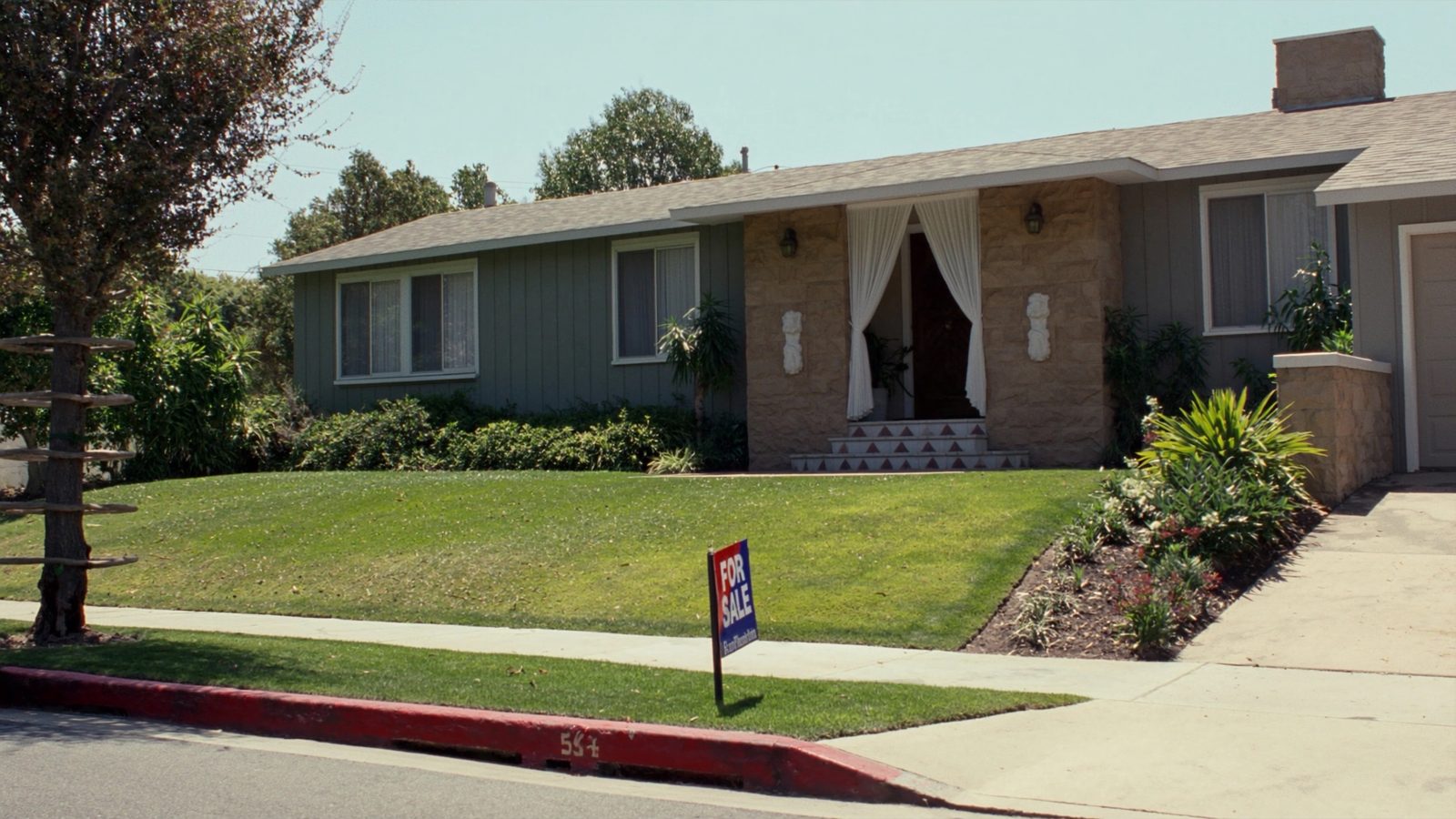
Buying a house is one of the biggest financial decisions you'll make in your lifetime. As someone who has helped hundreds of buyers navigate the home buying process over the past 10+ years, I've seen firsthand how proper preparation and understanding can make the difference between a smooth purchase and a stressful experience. In this comprehensive guide, I'll share everything you need to know about buying a house in 2025, backed by current market data and real-world experience.
Buying a house is one of the biggest financial decisions you'll make in your lifetime. As someone who has helped hundreds of buyers navigate the home buying process over the past 10+ years, I've seen ...
According to the National Association of Realtors (NAR), the median existing-home price reached $407,100 in November 2025, with first-time buyers making up 32% of all home purchases. The home buying process has evolved significantly, and understanding current market conditions, financing options, and the step-by-step process is crucial for success.
Key Takeaways
- Get a fair cash offer in 24 hours with no obligations
- Close in as little as 7-14 days, on your timeline
- No repairs needed - we buy houses in any condition
- Zero fees, commissions, or closing costs
- Work with experienced professionals who've helped 2,500+ homeowners
- Transparent process with no hidden surprises
- Available nationwide with local expertise
Step-by-Step Guide to Buying a House
Step 1: Assess Your Financial Readiness
Before you start looking at houses, assess your financial situation:
- Credit score: Aim for 620+ for conventional loans, 580+ for FHA
- Down payment: Typically 3-20% depending on loan type
- Debt-to-income ratio: Should be below 43% ideally
- Emergency fund: Have 3-6 months of expenses saved
Step 2: Get Pre-Approved for a Mortgage
Getting pre-approved shows sellers you're serious and helps you understand your budget. According to NAR data, pre-approved buyers are more likely to have offers accepted.
Step 3: Find a Real Estate Agent
A good agent can guide you through the process, negotiate on your behalf, and help you avoid common pitfalls.
Step 4: Start House Hunting
Use online tools, attend open houses, and work with your agent to find properties that meet your criteria.
Step 5: Make an Offer
Your agent will help you craft a competitive offer based on market conditions and comparable sales.
Step 6: Home Inspection
Once your offer is accepted, schedule a professional home inspection ($300-$500) to identify any issues.
Step 7: Secure Financing
Work with your lender to finalize your mortgage and complete the underwriting process.
Step 8: Close on Your Home
At closing, you'll sign all documents, pay closing costs, and receive the keys to your new home.
Financing Options for Buying a House
Understanding your financing options is crucial:
Conventional Loans
Traditional mortgages from banks and lenders. Typically require 3-20% down payment and good credit.
FHA Loans
Government-backed loans requiring only 3.5% down with credit scores as low as 580.
VA Loans
For veterans and active military. No down payment required and no private mortgage insurance.
USDA Loans
For rural properties. No down payment required for eligible buyers.
Common Mistakes When Buying a House
Based on my experience, avoid these common mistakes:
- Not getting pre-approved before house hunting
- Skipping the home inspection
- Not budgeting for closing costs (typically 2-5% of purchase price)
- Making emotional decisions instead of logical ones
- Not researching the neighborhood thoroughly
Current Market Conditions (November 2025)
According to NAR data:
- Median home price: $407,100
- Average days on market: 45 days
- Inventory: 3.2 months supply
- Mortgage rates: 6.5% average
Additional Resources
For more information about real estate and home selling, visit these authoritative sources:
- National Association of Realtors - Industry data and statistics
- HUD (Housing and Urban Development) - Government housing programs and information
- Better Business Bureau - Business ratings and reviews
Conclusion
Buying a house is a significant undertaking, but with proper preparation and the right guidance, it can be a smooth and rewarding process. Take your time, do your research, and work with experienced professionals who can guide you through each step.