Fourteen days. That is how long it took to close a probate property in Dallas that most investors would have walked away from.
Two heirs - one in California, one in Texas - an inherited house with deferred maintenance, and a clock ticking on property taxes. The kind of deal that sits in a probate attorney's office for months while everyone argues about what to do.
We closed it in two weeks. Here is exactly how.
The Situation
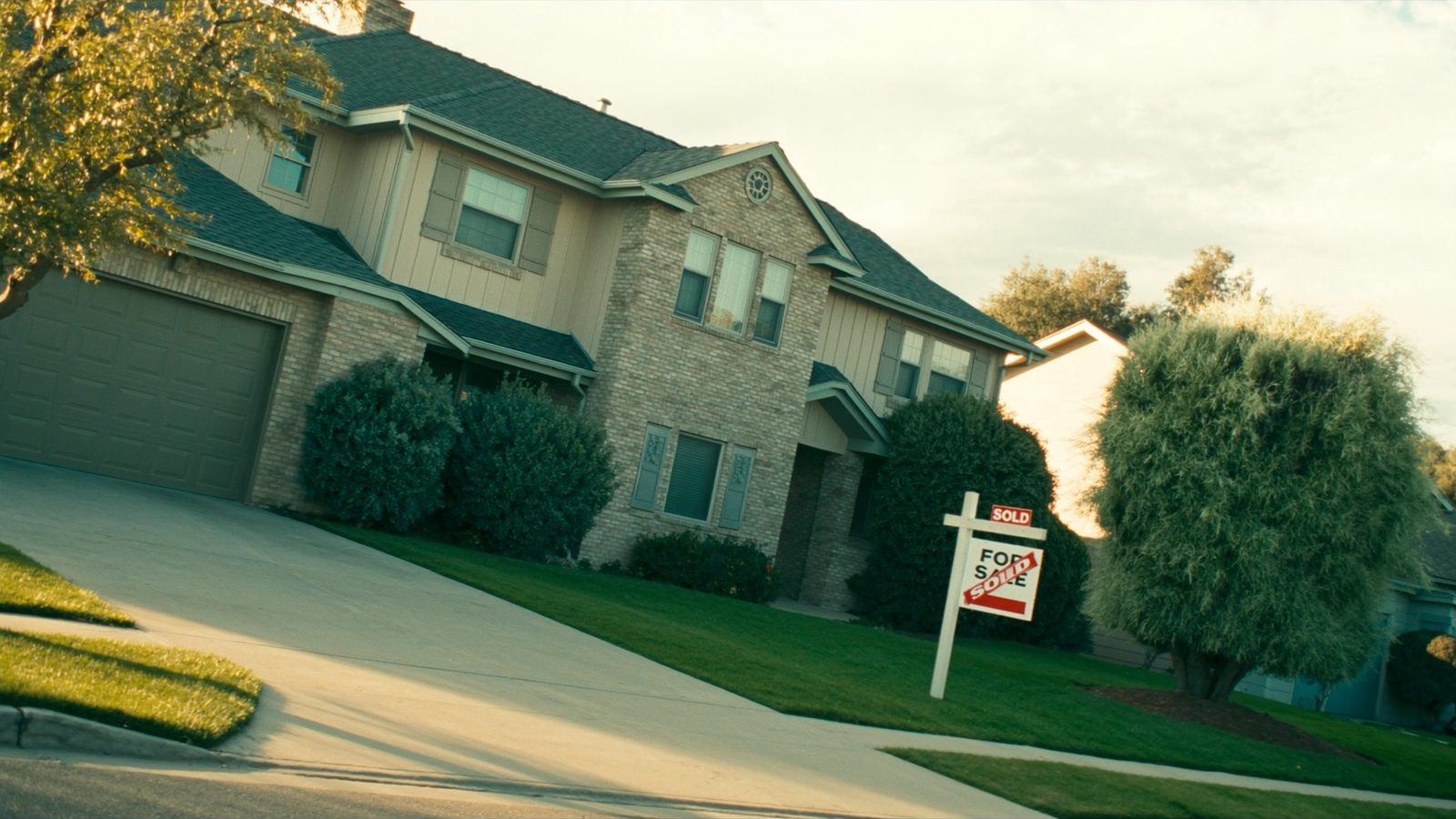
The property owner passed away in late 2025, leaving a 3-bedroom, 1-bathroom single-family home in Pleasant Grove, Dallas County. The property had been the family home for over 30 years.
Two adult children inherited the property:
- M.T. Lived in California and had not been to the property in years
- R.T. Lived in Texas but did not have the financial means to maintain or repair the house
The property had:
- Deferred maintenance throughout (outdated kitchen, worn carpet, aging roof with 3-5 years of life remaining)
- A dated interior that had not been updated since the early 2000s
- No major structural issues (foundation was solid, no water intrusion)
- Approximately $4,200 in delinquent property taxes
- Active property insurance that was about to lapse
Neither heir wanted to keep the property. M.T. Wanted cash to cover expenses in California. R.T. Wanted the estate settled quickly to stop the tax bleeding. But they had been told by a local real estate agent that listing the house traditionally would take 4 to 6 months and require $15,000 to $20,000 in repairs and staging first.
They came to Home Pros through a referral from a Dallas County probate attorney.
The Numbers
| Item | Amount |
|---|---|
| Acquisition price | $148,000 |
| After-repair value (ARV) | $215,000 |
| Estimated repair cost | $32,000 |
| Delinquent taxes (paid at closing) | $4,200 |
| Closing costs | $3,800 |
| Total all-in cost | $188,000 |
| Projected net margin | $27,000 |
The acquisition price of $148,000 represented approximately 69 percent of ARV, which falls within the standard institutional buy box for value-add SFR properties in the Dallas metro.
The Key Challenge: Getting Two Heirs to Agree - Fast
Probate deals stall for one reason more than any other: multiple heirs with different priorities, different locations, and different ideas about what the property is worth.
M.T. In California wanted the maximum price. R.T. In Texas wanted speed and simplicity. Those two objectives are usually in tension.
We addressed this by:
1. Providing a clear, data-backed offer with comparable sales, repair estimates, and a transparent breakdown of how we arrived at $148,000. No games, no lowball anchoring. Just the numbers.
2. Showing both heirs what "waiting" costs. The property was accruing approximately $350 per month in taxes and insurance. A traditional listing would take 4 to 6 months minimum, with commissions eating 5 to 6 percent of the sale price. After repairs, holding costs, and commissions, the net proceeds from a $215,000 traditional sale would have been roughly $165,000 - only $17,000 more than our cash offer, and 6 months later.
3. Handling the closing logistics. M.T. Did not need to fly to Texas. We coordinated a remote closing through a title company that handled out-of-state notarization.
Within 48 hours, both heirs agreed to the offer.
The Legal Shortcut: Muniment of Title
Here is where the deal got interesting and where most investors and even many real estate agents do not know what is possible in Texas.
Full probate in Texas can take 6 to 12 months. Independent administration is faster but still takes weeks to months. But Texas has a lesser-known probate tool called muniment of title that can transfer property ownership in as little as 2 to 4 weeks.
According to Nolo's guide to Texas probate, muniment of title is available when:
- The deceased left a valid will
- The estate has no unpaid debts (other than debts secured by real property)
- There is no need for formal estate administration
When those conditions are met, the court can admit the will as a muniment of title, which essentially tells the world: "This will is the document that transfers ownership." No executor appointment needed. No administration period. No creditor notification period.
In this case, the deceased had a valid will naming both M.T. And R.T. As equal beneficiaries. The only debt was the property tax delinquency, which we handled at closing. The probate attorney filed the muniment of title petition, and the court granted it within 10 days.
That is the Texas probate shortcut that most investors do not know about. It turned what could have been a 6-month probate process into a 10-day legal proceeding.
The 14-Day Timeline
| Day | Action |
|---|---|
| Day 1 | Initial contact from probate attorney referral. Property walkthrough and condition assessment. |
| Day 2 | Offer presented to both heirs with comp analysis and repair breakdown. |
| Day 3 | Both heirs accept. Purchase agreement signed. Probate attorney files muniment of title petition with Dallas County Probate Court. |
| Day 4 | Title company opens file. Title search begins. |
| Day 8 | Title search complete. No liens other than tax delinquency (expected). |
| Day 10 | Court grants muniment of title. Will recorded with Dallas County. |
| Day 12 | Out-of-state notarization completed for M.T. in California. |
| Day 14 | Closing. Tax delinquency paid from proceeds. Deed recorded. Keys transferred. |
Both heirs received their share of the proceeds within 3 business days after closing.
What Made This Deal Work
Three factors combined to make a 14-day close possible:
Factor 1: A clean probate pathway. The deceased had a valid will, the estate had no unpaid debts, and Texas muniment of title was available. If any of those conditions had been missing, the timeline would have stretched to 60 to 90 days minimum.
Factor 2: An experienced probate attorney. The attorney knew muniment of title was the fastest option and filed immediately. Many attorneys default to full administration because it is what they know. Working with an attorney who specializes in real estate probate makes a measurable difference.
According to the Texas Estates Code, muniment of title proceedings can be completed without an executor, reducing both legal fees and administrative burden. The Texas Courts provide county-specific probate guidelines.
Factor 3: A buyer who could move fast. Home Pros had the capital, the title company relationship, and the operational capacity to close in 14 days. A traditional buyer relying on mortgage financing would have needed 30 to 45 days minimum after the probate was resolved - adding another month to the process.
The Investor Takeaway
If you are investing in Texas markets, understanding muniment of title is a competitive advantage. Most of your competitors - even experienced ones - default to assuming probate takes months. When you can explain to heirs and their attorney that the property can be acquired in weeks, not months, your offer becomes far more attractive than it is on price alone.
Probate properties represent one of the most consistent sources of off-market inventory in Dallas, San Antonio, Houston, and other major Texas metros. According to the Dallas County Probate Courts, hundreds of probate cases are filed each month, many involving real property.
The deals that close fastest and at the best prices go to investors who:
- Build relationships with probate attorneys before they need deals
- Understand the legal options available in their state
- Can present clear, honest offers with transparent math
- Have the operational ability to close quickly once terms are agreed
Have a Similar Situation?
Home Pros buys probate properties throughout Dallas, San Antonio, Houston, and 45 other markets. We work directly with heirs and their attorneys to create fast, fair outcomes for everyone involved.
If you have inherited a property and want a straightforward cash offer without repairs, listings, or months of waiting, contact Home Pros for a no-obligation offer.
If you are an investor looking for probate deal flow, join the Home Pros Marketplace to access off-market opportunities sourced from our attorney network and direct acquisition efforts.
Frequently Asked Questions
How long does probate typically take in Texas before you can sell the property?
Full probate administration in Texas takes 6 to 12 months. Independent administration takes 2 to 4 months. Muniment of title, when available, can resolve ownership in 2 to 4 weeks. The available pathway depends on whether a valid will exists and whether the estate has unpaid debts.
Can you sell a house in Texas probate without all heirs agreeing?
It depends on the will and the type of probate administration. If the will grants independent authority to an executor, the executor can sell without unanimous heir approval. If the property passes equally to multiple heirs, all heirs generally need to agree to the sale or a court order is required. An experienced probate attorney can advise on the specific situation.
What does a cash buyer typically pay for a probate property in Dallas?
Cash buyers typically offer 65 to 75 percent of the property's after-repair value (ARV), adjusted for repair costs and any outstanding liens or back taxes. For a Dallas probate property with an ARV of $215,000 and $32,000 in needed repairs, a cash offer in the range of $140,000 to $155,000 is standard.
Do probate properties sell below market value?
Generally yes, for several reasons: the property often needs repairs that heirs cannot fund, multiple heirs create pressure to sell quickly, and the probate process itself creates holding costs. Cash buyers offer certainty and speed in exchange for a discounted price.
How do you find probate property opportunities in Dallas County?
The most effective methods are: building relationships with local probate attorneys who handle estate cases, monitoring Dallas County Probate Court filings for new cases involving real property, pulling public records from the county clerk's office, and working with acquisition companies like Home Pros that source probate deals systematically.
Home Pros has closed hundreds of transactions including probate, inheritance, and estate properties across Texas and 7 other states. Names and identifying details in this case study have been changed to protect privacy. This content is for informational purposes and does not constitute legal advice. Consult a licensed Texas attorney for probate matters.