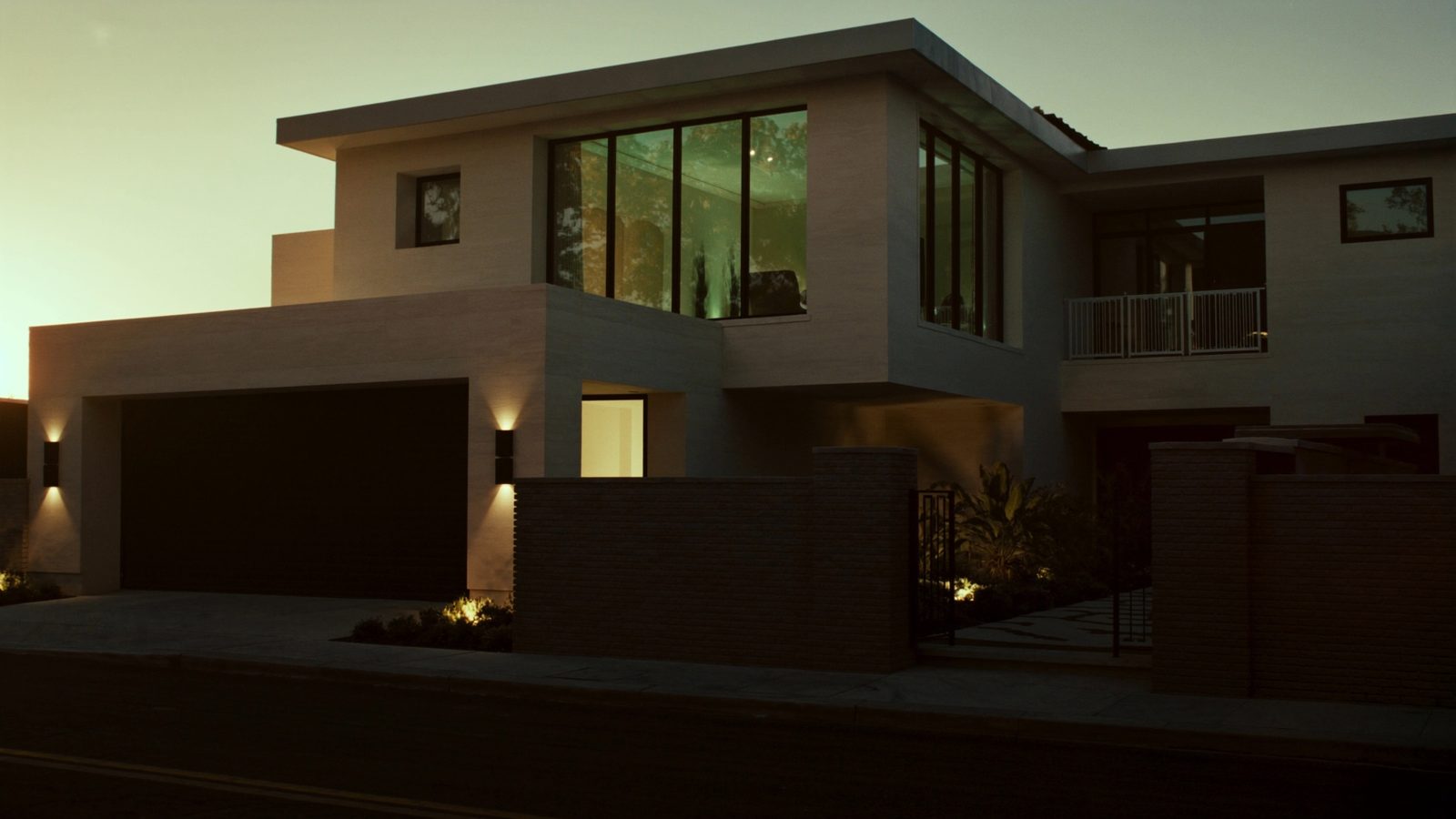
In an increasingly competitive luxury real estate market, developers are turning to global craftsmanship trends to create distinctive properties that command premium prices. As industry experts note, luxury real estate projects are leveraging global craftsmanship trends to differentiate themselves and attract discerning buyers who value quality, authenticity, and unique design. From handcrafted Italian marble to Japanese joinery techniques, global craftsmanship is reshaping what luxury means in real estate.
In an increasingly competitive luxury real estate market, developers are turning to global craftsmanship trends to create distinctive properties that command premium prices. As industry experts note, ...
Key Takeaways
- Get a fair cash offer in 24 hours with no obligations
- Close in as little as 7-14 days, on your timeline
- No repairs needed - we buy houses in any condition
- Zero fees, commissions, or closing costs
- Work with experienced professionals who've helped 2,500+ homeowners
- Transparent process with no hidden surprises
- Available nationwide with local expertise
The Rise of Artisanal Craftsmanship in Luxury Real Estate
Luxury homebuyers are increasingly seeking properties that offer more than just square footage and premium finishesthey want homes that tell a story, showcase exceptional craftsmanship, and reflect global design influences. This shift has led developers to incorporate artisanal techniques and materials from around the world.
At Home Pros, while we focus on cash home buying rather than luxury development, we've observed how craftsmanship and quality construction impact property values across all market segments. Well-built homes with attention to detail consistently command higher prices and sell faster.
Key Global Craftsmanship Trends in Luxury Real Estate
1. European Artisan Techniques
European craftsmanship has long been synonymous with luxury, and developers are incorporating these traditions:
- Italian Marble and Stonework: Hand-selected marble from Italian quarries, custom-cut and finished by master craftsmen
- French Limestone: Traditional French limestone used for flooring, facades, and architectural details
- German Precision Engineering: German-made windows, doors, and hardware known for exceptional quality
- Portuguese Tile Work: Hand-painted azulejo tiles creating unique artistic elements
- Spanish Ironwork: Custom-forged ironwork for gates, railings, and decorative elements
2. Asian Craftsmanship Traditions
Asian techniques bring unique aesthetics and functionality:
- Japanese Joinery: Traditional wood joinery techniques that create seamless, durable connections
- Chinese Stone Carving: Intricate stone carvings and architectural details
- Thai Teak Woodwork: Handcrafted teak elements known for durability and beauty
- Indian Hand-Carved Details: Intricate carvings in stone, wood, and metal
3. Middle Eastern and Mediterranean Influences
These regions contribute distinctive design elements:
- Moroccan Zellige Tiles: Handcrafted geometric tiles creating stunning patterns
- Turkish Marble: Unique veining and colors from Turkish quarries
- Greek Stone Masonry: Traditional stone construction techniques
- Lebanese Metalwork: Artisanal metal fixtures and decorative elements
4. American Artisan Traditions
Local craftsmanship is also highly valued:
- Custom Millwork: Handcrafted cabinetry and built-ins
- Artisan Tile Work: Custom-designed and hand-laid tile patterns
- Hand-Forged Hardware: Custom metalwork for unique fixtures
- Reclaimed Materials: Repurposed wood, brick, and stone with character
Why Craftsmanship Matters in Luxury Real Estate
Craftsmanship impacts luxury real estate in several important ways:
1. Increased Property Value
Properties featuring exceptional craftsmanship typically command 10-30% premiums over similar properties with standard construction. Handcrafted elements, artisanal materials, and unique details create value that appreciates over time.
2. Unique Selling Proposition
In a market where many luxury properties can feel similar, craftsmanship creates differentiation. Buyers remember and are drawn to properties with distinctive, handcrafted features.
3. Durability and Longevity
Traditional craftsmanship techniques often result in more durable construction. Handcrafted elements built with time-tested methods typically last longer than mass-produced alternatives.
4. Emotional Connection
Buyers form emotional connections with properties that showcase human artistry. The story behind craftsmanshipthe artisan who created it, the techniques used, the materials sourcedadds intangible value.
5. Investment Potential
Properties with exceptional craftsmanship often appreciate better than standard luxury homes. Unique, handcrafted features can't be easily replicated, making these properties more valuable over time.
How Developers Incorporate Global Craftsmanship
Luxury developers use various strategies to incorporate global craftsmanship:
1. Direct Artisan Partnerships
Developers partner directly with master craftsmen from around the world, bringing them to project sites or importing their work. This ensures authenticity and quality.
2. Material Sourcing
Premium materials are sourced from their regions of originItalian marble from Carrara, French limestone from Burgundy, Turkish travertine from Denizli. This authenticity adds value.
3. Technique Integration
Traditional techniques are integrated with modern construction methods, combining the best of both worldstime-tested craftsmanship with contemporary efficiency and building codes.
4. Cultural Storytelling
Developers tell the story of craftsmanshipwhere materials come from, who created them, what techniques were used. This storytelling adds depth and meaning to properties.
Examples of Craftsmanship in Luxury Properties
Real-world examples of global craftsmanship in luxury real estate include:
- Hand-Carved Stone Facades: Intricate stone carvings creating unique architectural identities
- Custom Ironwork: Hand-forged gates, railings, and fixtures that are works of art
- Artisan Tile Installations: Hand-laid tile patterns that create stunning visual effects
- Custom Millwork: Handcrafted cabinetry, built-ins, and architectural details
- Hand-Selected Materials: Each piece of stone, wood, or tile chosen for its unique characteristics
- Traditional Joinery: Wood connections created using traditional techniques without nails or screws
The Economics of Craftsmanship
While craftsmanship adds cost, it also adds significant value:
- Initial Investment: Craftsmanship typically adds 15-25% to construction costs
- Value Premium: Properties command 10-30% price premiums
- Faster Sales: Unique properties often sell faster than standard luxury homes
- Better Appreciation: Craftsmanship features appreciate better over time
- Lower Maintenance: Quality craftsmanship often requires less maintenance
Challenges in Incorporating Global Craftsmanship
Developers face several challenges:
- Cost Management: Balancing craftsmanship quality with budget constraints
- Timeline Coordination: Artisan work often takes longer than standard construction
- Quality Control: Ensuring consistent quality across different artisans and techniques
- Logistics: Coordinating materials and artisans from around the world
- Market Education: Helping buyers understand and value craftsmanship
What This Means for Homeowners
While most homeowners aren't building luxury developments, understanding craftsmanship trends is valuable because:
- Property Value: Quality construction and attention to detail increase property values
- Maintenance: Well-crafted elements require less maintenance and last longer
- Resale Value: Properties with quality craftsmanship sell for more
- Buyer Appeal: Unique, well-crafted features attract buyers
At Home Pros, we evaluate properties based on their condition and market value. While we purchase properties in any condition, we recognize that well-maintained homes with quality construction typically have higher values, which benefits sellers.
The Future of Craftsmanship in Real Estate
Trends suggest craftsmanship will continue to be important:
- Sustainability Focus: Traditional techniques often use sustainable materials and methods
- Authenticity Demand: Buyers increasingly value authentic, handcrafted elements
- Technology Integration: Modern technology helps preserve and enhance traditional techniques
- Cultural Appreciation: Growing appreciation for global design and craftsmanship
Conclusion: Craftsmanship as a Value Driver
Global craftsmanship trends are reshaping luxury real estate, creating properties that stand out through quality, authenticity, and unique design. While most homeowners aren't building luxury developments, understanding how craftsmanship impacts value is important for anyone buying, selling, or maintaining property.
Whether your home features handcrafted details or standard construction, maintaining it well and understanding its value helps when it's time to sell. At Home Pros, we provide fair cash offers for properties in any condition, recognizing that every property has value regardless of its craftsmanship level.
If you're ready to sell your house, regardless of its condition or craftsmanship features, contact Home Pros for a free, no-obligation cash offer. We buy houses in any condition and can close in as little as 7 days.