Facing foreclosure is stressful and overwhelming, but you have options. Having helped hundreds of homeowners avoid foreclosure over the past decade, I understand the urgency and can guide you through your choices. This comprehensive guide explains how to stop foreclosure, from negotiating with your lender to selling your house quickly for cash. The key is acting fastthe earlier you take action, the more options you have to save your home and protect your credit.
Key Takeaways
- Act quickly: The earlier you act, the more options you have
- Contact your lender: Most lenders want to help you avoid foreclosure
- Multiple options: Loan modification, short sale, deed in lieu, or cash sale
- Selling stops foreclosure: Cash buyers can close in 7-30 days
- Protect your credit: Avoiding foreclosure protects your credit score
- Time is critical: You typically have 2-4 months before foreclosure sale
- Free help available: HUD counselors can provide free foreclosure assistance
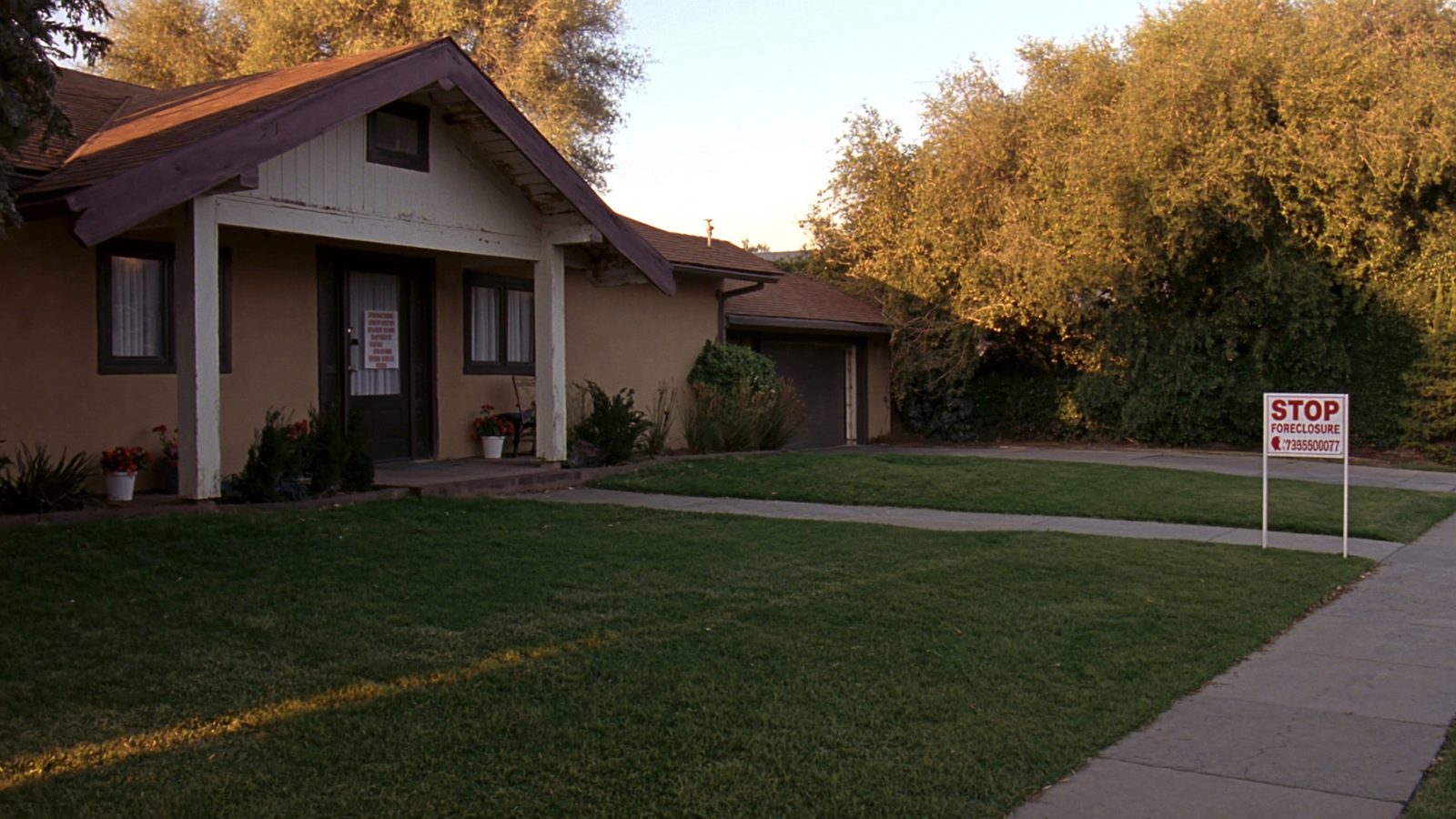
Understanding Foreclosure: What You Need to Know
Foreclosure is the legal process where a lender takes possession of your property because you've defaulted on your mortgage. Understanding the process helps you know when and how to act.
The Foreclosure Timeline
Foreclosure doesn't happen overnight. Here's the typical timeline:
Stage 1: Missed Payments (30-90 days)
- You miss one or more mortgage payments
- Lender sends late notices and collection calls
- This is your first opportunity to act
Stage 2: Notice of Default (30-120 days after missed payment)
- Lender files a Notice of Default (NOD) with county recorder
- Official foreclosure process begins
- You typically have 90 days to cure default
Stage 3: Notice of Sale (20-30 days before auction)
- Lender schedules foreclosure auction
- Notice published in newspapers and posted on property
- Time is running outact immediately
Stage 4: Foreclosure Sale (Auction)
- Property sold at public auction
- You lose ownership
- Severe credit damage occurs
Timeline Varies by State: Judicial foreclosure states (like Florida, New York) take longer (6-12 months). Non-judicial foreclosure states (like California, Texas) are faster (2-4 months). Check your state's specific timeline.
Your Options to Stop Foreclosure
You have several options, and the best choice depends on your situation. Here are the main ways to stop foreclosure:
Option 1: Loan Modification
Best for: Homeowners who can resume payments but need lower monthly payments
A loan modification changes your loan terms to make payments more affordable. This can include:
- Reducing interest rate
- Extending loan term (30 years to 40 years)
- Reducing principal balance (less common)
- Changing from adjustable to fixed rate
How to Get a Loan Modification
- Contact Your Lender: Call your lender's loss mitigation department immediately
- Submit Application: Complete loan modification application with financial documents
- Provide Documentation: Income statements, bank statements, hardship letter, tax returns
- Wait for Decision: Lender reviews application (30-90 days)
- Trial Period: If approved, make trial payments for 3-4 months
- Permanent Modification: If successful, modification becomes permanent
Pros: You keep your home, payments become affordable, avoids foreclosure
Cons: Process takes time (60-120 days), not guaranteed, may still have late fees/penalties
Option 2: Repayment Plan
Best for: Homeowners who fell behind temporarily but can catch up
A repayment plan lets you catch up on missed payments over time by adding extra to your monthly payment.
How It Works
- Lender agrees to let you pay back missed payments over 6-12 months
- You pay your regular payment plus a portion of past-due amount
- Once caught up, you resume normal payments
Pros: Simple, keeps your home, avoids foreclosure
Cons: Requires you to have extra money each month, doesn't reduce total debt
Option 3: Forbearance Agreement
Best for: Homeowners with temporary financial hardship (job loss, medical issues)
Forbearance temporarily pauses or reduces payments. You'll need to repay the amount later, typically in a lump sum or through a repayment plan.
Option 4: Short Sale
Best for: Homeowners who owe more than the house is worth and can't afford payments
A short sale is when you sell the house for less than the mortgage balance, and the lender agrees to accept the proceeds as full payment.
How Short Sales Work
- Get lender approval before listing
- List property with a realtor (typically 60-90 days to sell)
- Accept offer from buyer
- Submit offer to lender for approval (30-90 days)
- Close sale and lender forgives remaining debt
Pros: Avoids foreclosure, lender may forgive deficiency, less credit damage than foreclosure
Cons: Takes 3-6 months, lender may pursue deficiency balance, requires lender approval
Option 5: Deed in Lieu of Foreclosure
Best for: Homeowners who can't afford the house and want to walk away quickly
You voluntarily transfer the property deed to the lender in exchange for debt forgiveness.
Pros: Faster than foreclosure, avoids public auction, may negotiate deficiency forgiveness
Cons: Lender must agree, may still owe deficiency, credit damage (though less than foreclosure)
Option 6: Sell Your House for Cash (Fastest Option)
Best for: Homeowners who need to sell quickly before foreclosure sale
Selling to cash buyers is often the fastest way to stop foreclosure. Cash buyers can close in 7-30 days, which is typically fast enough to stop foreclosure before the sale date.
How Cash Sales Stop Foreclosure
- Get cash offer from buyer (24-48 hours)
- Accept offer and set closing date
- Close sale (7-30 days)
- Use proceeds to pay off mortgage
- Foreclosure stops, credit protected
Pros: Very fast (7-30 days), guaranteed closing (no financing contingencies), avoids foreclosure, can close before sale date
Cons: May receive less than market value, but better than foreclosure
Our Experience: We've helped hundreds of homeowners stop foreclosure by purchasing their houses quickly. Last month, we helped a homeowner in San Antonio stop foreclosure by closing in just 8 days, allowing them to pay off their mortgage and avoid the foreclosure sale.
Immediate Steps to Take Right Now
If you're facing foreclosure, take these steps immediately:
1. Contact Your Lender Today
Call your lender's loss mitigation or foreclosure prevention department immediately. Don't avoid callslenders want to help you avoid foreclosure.
2. Don't Ignore Notices
Read all notices carefully. They contain important deadlines and information about your rights.
3. Gather Financial Documents
Prepare income statements, bank statements, tax returns, and hardship letter. You'll need these for loan modification or short sale applications.
4. Contact a HUD Counselor
The Department of Housing and Urban Development (HUD) provides free foreclosure counseling. Call 1-800-569-4287 or visit HUD.gov to find a counselor near you.
5. Explore All Options
Don't assume foreclosure is inevitable. Explore loan modification, short sale, and cash sale options.
6. Consider Bankruptcy (Last Resort)
Filing bankruptcy creates an automatic stay that temporarily stops foreclosure. However, this is typically a temporary solution and has serious consequences. Consult with a bankruptcy attorney.
What Happens If Foreclosure Completes?
If you don't stop foreclosure and the sale completes, here's what happens:
Immediate Consequences
- You lose ownership of the property
- Property is sold at auction
- You must vacate the property (timeline varies by state)
Financial Consequences
- Severe credit damage (100-150 point drop)
- Foreclosure stays on credit report for 7 years
- May still owe deficiency balance (difference between sale price and debt)
- Difficulty getting new credit or mortgages for several years
Long-Term Impact
- May affect employment (some employers check credit)
- Higher interest rates if you can get credit
- Difficulty renting (landlords check credit)
This is why it's crucial to act quickly and explore all options to stop foreclosure.
Why Selling for Cash Is Often the Best Option
Based on our experience helping homeowners avoid foreclosure, selling for cash offers unique advantages:
Speed
Cash buyers can close in 7-30 days, which is often fast enough to stop foreclosure before the sale date. Traditional sales take 60-90 days, which may be too slow.
Certainty
Cash sales don't depend on buyer financing, so they're more likely to close. This is crucial when timing matters.
Simplicity
Cash sales are straightforward with fewer contingencies and complications. This reduces the risk of delays.
As-Is Purchase
Cash buyers purchase properties as-is, so you don't need to invest in repairs or cleaning. This saves time and money.
Protects Credit
By selling before foreclosure, you avoid the severe credit damage that foreclosure causes. Your credit takes less of a hit with a sale.
Real Example: We recently helped a homeowner in Houston who was 60 days from foreclosure sale. We made an offer within 24 hours, and closed in 12 days. They paid off their mortgage and avoided foreclosure, protecting their credit.
Common Mistakes to Avoid
Based on our experience, here are mistakes to avoid:
Mistake 1: Ignoring the Problem
Problem: Hoping the situation will resolve itself
Solution: Act immediately. The earlier you act, the more options you have.
Mistake 2: Not Contacting Your Lender
Problem: Avoiding lender calls or communication
Solution: Contact your lender immediately. They want to help you avoid foreclosure.
Mistake 3: Waiting Too Long
Problem: Waiting until the last minute to explore options
Solution: Start exploring options as soon as you miss a payment or receive a notice.
Mistake 4: Not Exploring All Options
Problem: Assuming foreclosure is inevitable
Solution: Explore loan modification, short sale, and cash sale options. Multiple solutions exist.
Additional Resources
For more help with foreclosure prevention, visit these authoritative sources:
- HUD (Housing and Urban Development) - Free foreclosure counseling and resources
- Consumer Financial Protection Bureau - Foreclosure prevention information and resources
- National Association of Realtors - Information about short sales and real estate options
- Better Business Bureau - Find legitimate foreclosure prevention services
Conclusion
Foreclosure doesn't have to be inevitable. You have multiple options to stop foreclosure, from loan modifications to selling your house quickly for cash. The key is acting immediately and exploring all your options.
If you're facing foreclosure, contact your lender today, explore loan modification options, and consider selling your house for cash if you need to move quickly. Cash buyers like Home Pros can help you stop foreclosure by purchasing your house in as little as 7-30 days.
At Home Pros, we've helped hundreds of homeowners avoid foreclosure. We understand the urgency and can help you sell quickly to pay off your mortgage before foreclosure completes. We work with homeowners facing foreclosure regularly and can guide you through the process.
If you're facing foreclosure and need to sell fast, get your free cash offer today. We can evaluate your property and help you understand if we can close fast enough to stop your foreclosure. Or call us at (830) 510-1597 to speak with one of our foreclosure prevention experts immediately.
⚠ Facing Foreclosure? Act Now!
Time is critical. Get your free cash offer in 24 hours and potentially stop foreclosure before it's too late.
Get My Cash Offer NowOr call us immediately: (830) 510-1597