Divorce is hard, emotionally and financially, and deciding what happens to the house is often one of the hardest parts.
Yes, you can sell during a divorce. Both spouses on the deed have to agree (or a court has to order the sale), the mortgage gets paid off at closing, and what's left is divided under your divorce agreement, your state's property rules, or a court order.
Key Takeaways
- Get a fair cash offer in 24 hours with no obligations
- Close in as little as 7-14 days, on your timeline
- No repairs needed, since we buy houses in any condition
- Zero fees, commissions, or closing costs
- Work with experienced professionals who've helped 2,500+ homeowners
- Transparent process with no hidden surprises
- Available nationwide with local expertise
Why Sell Your House During Divorce?
Most couples choose to sell their house during divorce for several reasons:
- Divide Assets: Selling provides cash to divide between spouses
- Clean Break: Eliminates ongoing financial ties
- Financial Necessity: Neither spouse can afford the mortgage alone
- Emotional Closure: Moving on from shared memories
- Legal Requirement: Court orders may require sale
Legal Considerations When Selling During Divorce
1. Both Spouses Must Agree
If both names are on the deed, both spouses must agree to sell. This can be challenging if the divorce is contentious.
2. Court Approval May Be Required
If divorce proceedings are ongoing, you may need court approval to sell. Your attorney can guide you through this process.
3. Division of Proceeds
How proceeds are divided depends on:
- State laws (community property vs. equitable distribution); the American Bar Association explains these differences
- Prenuptial agreements
- Who contributed to the down payment
- Who paid the mortgage
4. Tax Implications
Capital gains tax may apply. However, if you've lived in the home for 2+ years, you may qualify for the $250,000/$500,000 exclusion.
Options for Selling During Divorce
Option 1: Sell to Cash Buyers (Fastest)
Selling to cash buyers offers the fastest, simplest solution:
- Close in 7-30 days
- No repairs needed
- No realtor commissions
- Guaranteed sale
- Works for contentious divorces
Option 2: Traditional Sale
Traditional sales take longer but may fetch higher prices:
- 60-90 days to close
- Requires repairs and staging
- 6% realtor commission
- Financing contingencies
Option 3: One Spouse Buys Out the Other
One spouse can buy out the other's share, but this requires:
- Qualifying for a new mortgage
- Agreement on property value
- Cash for the buyout
Benefits of Selling to Cash Buyers During Divorce
A cash offer will usually come in below what a traditional listing might fetch, so you're trading some price for speed and certainty. For a lot of divorcing couples that trade makes sense, for these reasons:
1. Speed
Close quickly to finalize divorce and move forward. No waiting months for traditional sales.
2. Simplicity
No repairs, staging, or showings. Perfect when you need to sell fast and move on.
3. Certainty
Guaranteed sale with no financing contingencies. The deal won't fall through.
4. Fair Division
Get cash quickly to divide between spouses according to your divorce agreement.
5. Less Conflict
A faster sale leaves less time for new disputes over the house.
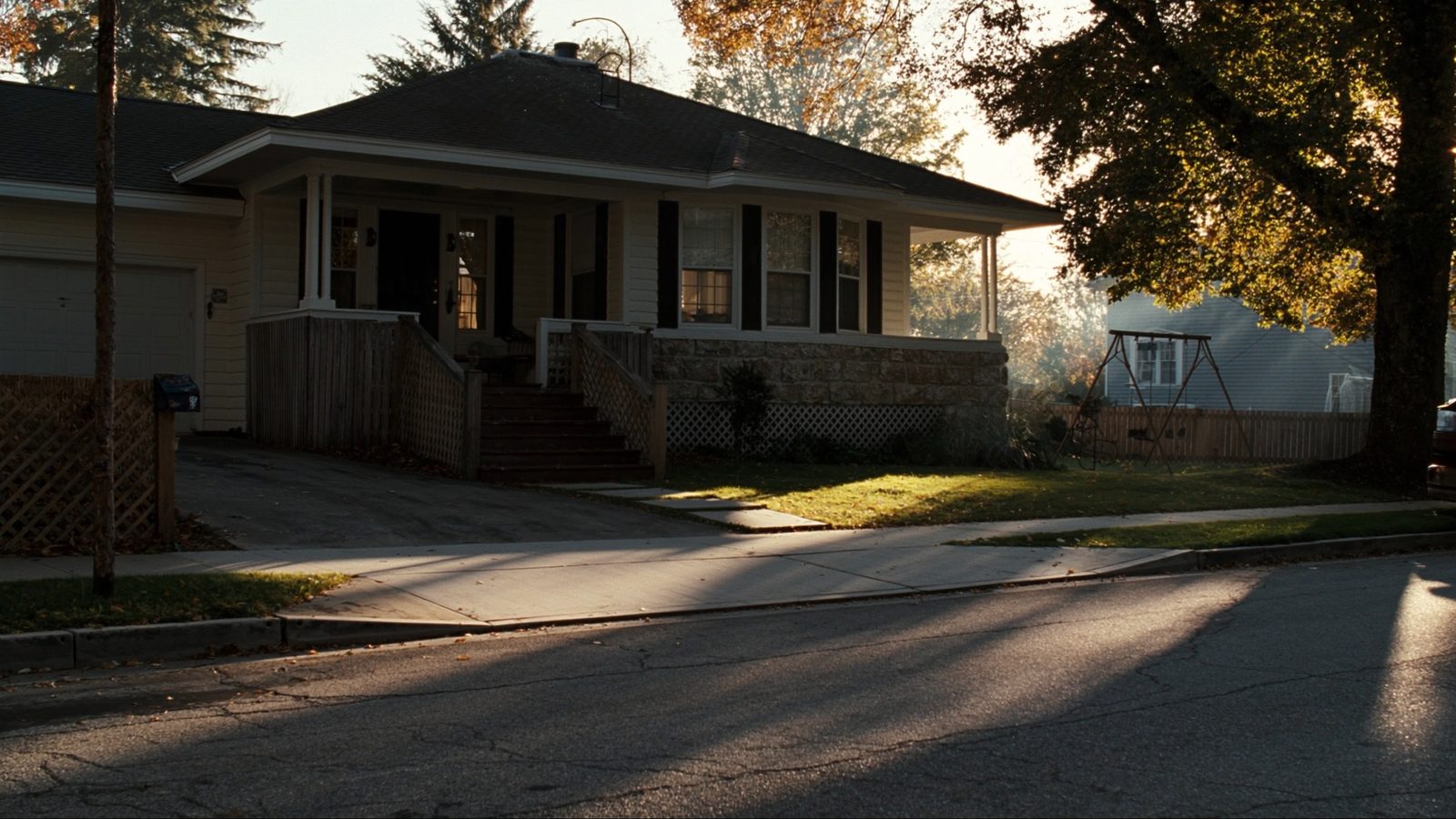
Selling your house quickly can help you move forward after divorce
Steps to Sell Your House During Divorce
Step 1: Consult Your Attorney
Before selling, consult your divorce attorney to understand legal requirements and get necessary approvals.
Step 2: Get Property Valued
Determine fair market value: a cash buyer can give you a quick valuation, or you can pay for a professional appraisal if you and your spouse don't trust each other's numbers.
Step 3: Agree on Sale Terms
Both spouses must agree on selling price, timeline, and how proceeds will be divided.
Step 4: Choose Your Selling Method
Decide whether to sell to cash buyers or use traditional methods based on your timeline and needs.
Step 5: Accept an Offer
Review offers and accept the best one.
Step 6: Close and Divide Proceeds
Complete the sale and divide proceeds according to your divorce agreement or court order.
Common Challenges and Solutions
Challenge: One Spouse Doesn't Want to Sell
Solution: Court may order sale if one spouse can't afford the mortgage or if it's in both parties' best interests.
Challenge: Disagreement on Property Value
Solution: Get multiple valuations or appraisals. Cash buyers can provide fair market assessments.
Challenge: Outstanding Mortgage
Solution: Sale proceeds pay off the mortgage first, and the remaining funds are divided between spouses.
Challenge: Contested Divorce
Solution: A cash buyer can still close when the two of you barely agree on anything else, because there's one written offer to accept, no showings to schedule around each other, and no buyer's lender who can back out at the last minute.
Tax Implications
When selling during divorce:
- Capital gains tax may apply to profits
- If you've lived there 2+ years, you may qualify for exclusion
- Consult a tax professional for specific advice
- Division of proceeds may have tax consequences
Additional Resources
For more information about real estate and home selling, visit these authoritative sources:
- National Association of Realtors: industry data and statistics
- HUD (Housing and Urban Development): government housing programs and information
- Better Business Bureau: business ratings and reviews
Conclusion
A cash sale won't make a divorce easy or get you the top listing price, but it can take the house off the list of things you're still negotiating over, with a written offer, no financing to fall through, and a closing in 7 to 30 days.
At Home Pros, we've helped many couples sell their homes during divorce quickly and fairly. We understand the sensitivity of these situations and work to make the process as smooth as possible.
Need to Sell During Divorce?
Get your free cash offer in 24 hours. We can help you sell quickly and divide assets fairly.
Get My Cash Offer