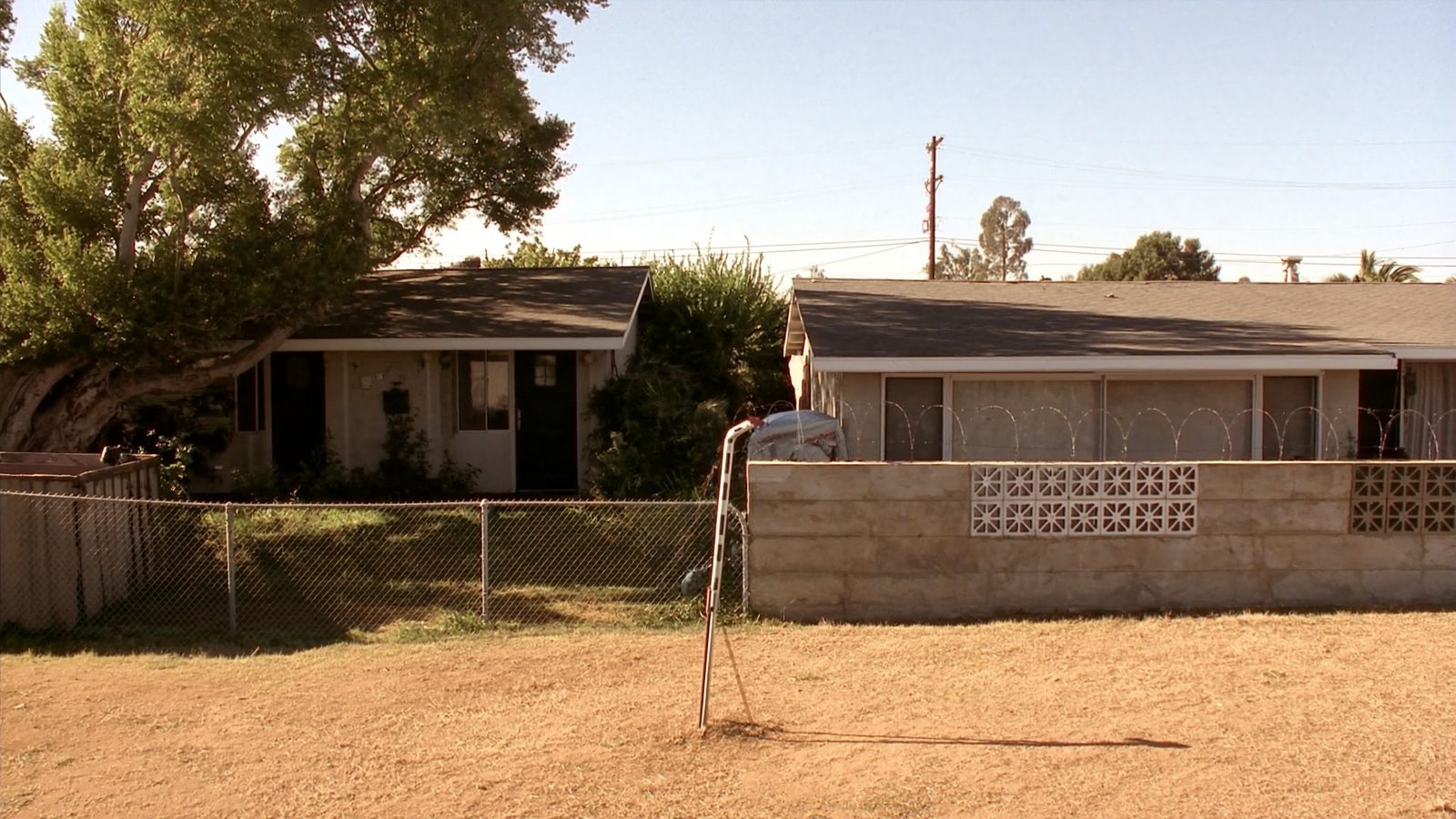
As a real estate professional who has dealt with hundreds of property transactions, I've seen how encroachment issues can derail sales, create neighbor disputes, and cause significant legal headaches. Understanding what encroachment is and how to handle it is essential for any homeowner or property buyer. In this comprehensive guide, I'll explain encroachment, share real examples from my experience, and provide actionable steps to resolve these issues.
As a real estate professional who has dealt with hundreds of property transactions, I've seen how encroachment issues can derail sales, create neighbor disputes, and cause significant legal headaches....
Key Takeaways
- Get a fair cash offer in 24 hours with no obligations
- Close in as little as 7-14 days, on your timeline
- No repairs needed - we buy houses in any condition
- Zero fees, commissions, or closing costs
- Work with experienced professionals who've helped 2,500+ homeowners
- Transparent process with no hidden surprises
- Available nationwide with local expertise
What Is Encroachment?
Encroachment occurs when a property owner builds a structure or places something on a neighboring property without permission. This is a common real estate issue that can create legal problems and affect property values.
Types of Encroachment
Based on my experience, there are several types of encroachment:
1. Structural Encroachment
When a building or permanent structure crosses property lines. Examples include:
- Fences built on your property
- Garages or sheds extending over property lines
- Driveways or sidewalks on your land
- Parts of a house extending onto your property
2. Vegetation Encroachment
When trees, shrubs, or other plants from a neighbor's property grow onto your land. While less serious than structural encroachment, it can still cause issues.
3. Easement Encroachment
When someone uses your property in a way that violates an easement agreement or exceeds permitted use.
How to Identify Encroachment
Identifying encroachment requires understanding your property boundaries:
Step 1: Get a Survey
A professional land survey ($400-$1,000) will show your exact property boundaries. This is the most accurate way to identify encroachment.
Step 2: Check Property Records
Review your deed and property records at your local assessor's office to understand your property boundaries.
Step 3: Visual Inspection
Look for obvious signs like fences, structures, or driveways that appear to cross property lines.
How to Resolve Encroachment Issues
Based on my experience, here are the best approaches to resolve encroachment:
Option 1: Negotiate with Your Neighbor
Often, encroachment is unintentional. A friendly conversation can resolve the issue. I've seen many cases resolved through:
- Removing the encroaching structure
- Creating an easement agreement
- Selling the encroached land to the neighbor
Option 2: Get a Legal Easement
If removal isn't practical, you can grant a legal easement allowing the encroachment to continue. This should be done with legal documentation.
Option 3: Sell the Encroached Land
If the encroachment is minor and the neighbor is willing, you can sell them the encroached portion of your property.
Option 4: Legal Action
As a last resort, you may need to take legal action. This can be expensive and time-consuming, so it's best to try other options first.
Impact of Encroachment on Property Sales
Encroachment can significantly impact property sales. In my experience:
- Buyers may require encroachment resolution before closing
- Title companies may refuse to insure properties with unresolved encroachment
- Property values can decrease by 5-15% if encroachment isn't resolved
- Sales can be delayed or fall through due to encroachment issues
Preventing Encroachment
To prevent encroachment issues:
- Get a survey before building near property lines
- Know your exact property boundaries
- Communicate with neighbors before building
- Get permits and follow local building codes
Real-World Example
I recently helped a homeowner whose neighbor's fence was built 3 feet onto their property. The encroachment was discovered during a property survey before sale. We negotiated with the neighbor, who agreed to move the fence. The sale proceeded smoothly after resolution.
Additional Resources
For more information about real estate and home selling, visit these authoritative sources:
- National Association of Realtors - Industry data and statistics
- HUD (Housing and Urban Development) - Government housing programs and information
- Better Business Bureau - Business ratings and reviews
Conclusion
Encroachment is a serious issue that can affect property values and sales. If you discover encroachment, address it promptly through negotiation, legal easements, or other solutions. If you're buying a property, always get a survey to identify any potential encroachment issues before closing.