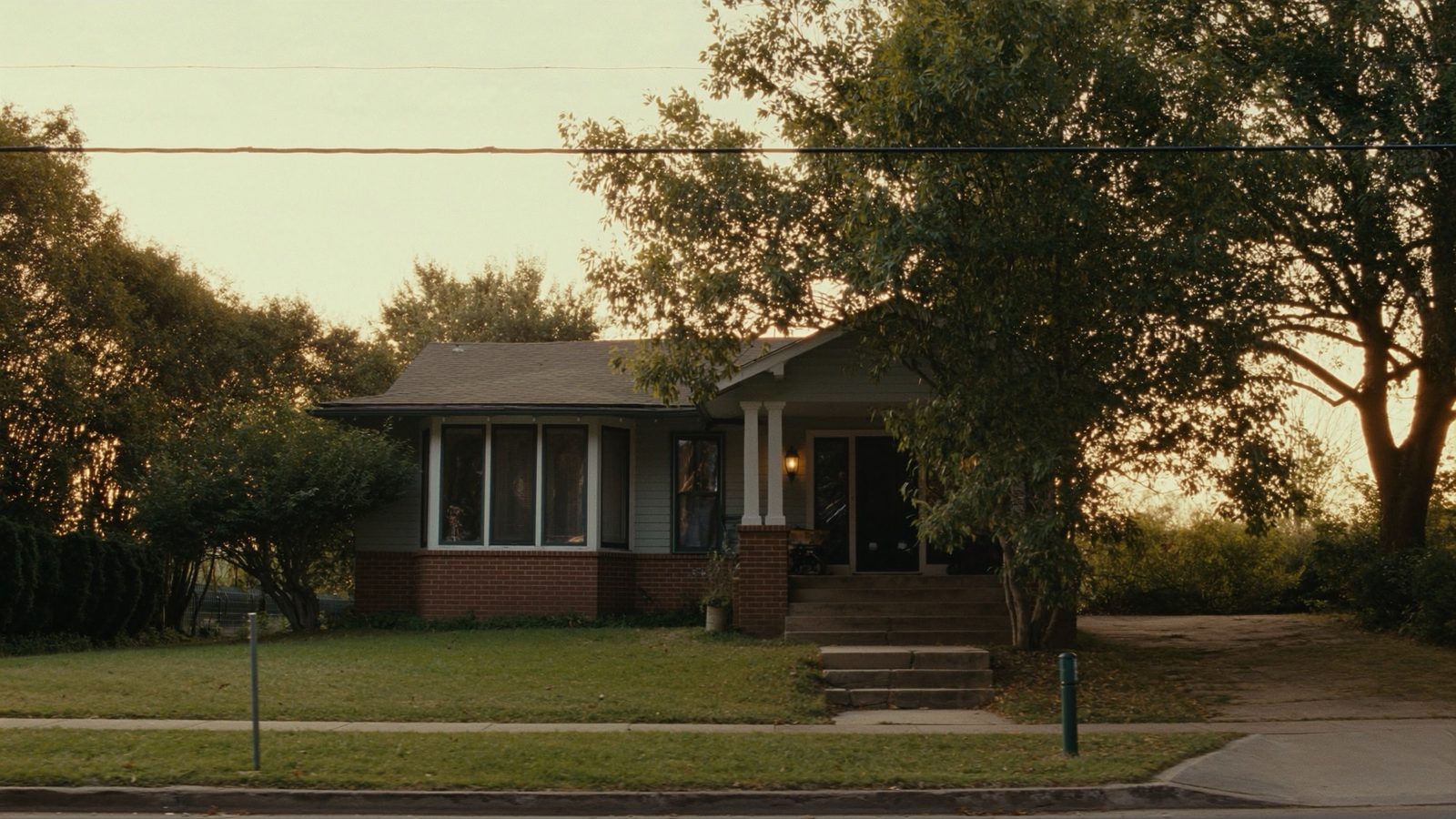
The best Charlotte NC neighborhoods for rental cash flow in 2026 are Hidden Valley (28213), Sugar Creek (28213), Grier Heights (28205), Eastland (28212), and West Charlotte (28208). These areas pair sub-$280K SFH inventory with median 3BR rents of $1,700–$1,900, producing rent-to-price ratios of 0.63–0.68%, the strongest in Mecklenburg County and competitive nationally.
What is the best Charlotte neighborhood for rental property in 2026?
Hidden Valley and Sugar Creek (both ZIP 28213) are the best Charlotte neighborhoods for rental cash flow in 2026. Median SFH price is $265,000 per Redfin Data Center (Q1 2026), with median 3-bedroom rent of $1,800 per month (HUD Fair Market Rent + local market data). That produces a rent-to-price ratio of 0.68%, the single highest RTP in Mecklenburg County.
At 20% down ($53,000), 6.5% fixed-rate financing, and 25-year amortization, monthly debt service lands around $1,385. Subtract 5.4% vacancy (Zillow Rental Market Report 2026), property tax (~0.73% effective for Mecklenburg County), and a 15% operating reserve, and you're clearing $150–$220 monthly per unit. That's solid for Charlotte's current rate environment and significantly above the national median cap rate of 5.2%.
The reason Hidden Valley/Sugar Creek outperform is structural: they sit in the direct path of Uptown professional migration (workers priced out of South End and NoDa) and have active Atrium Health ancillary job clusters. Institutional operators (notably Fundrise and Roofstock) have been systematically acquiring here since 2024.
Can you still cash flow rentals in Charlotte NC?
Yes, but margins have tightened. In 2021–2022, Charlotte Class B neighborhoods were hitting 7.0–7.5% cap rates. Today, realistic target neighborhoods deliver 5.7–6.0%. The reason: Charlotte added 8.2% population growth from 2020 to 2025 (Census ACS 5-year estimate, highest in Carolinas), attracting out-of-state capital and institutional investors. Prices rose faster than rents.
However, Charlotte still cash flows better than most Sunbelt markets. Raleigh cap rates are now 5.4–5.7%. Atlanta is 5.1–5.5%. Charlotte's 5.9% midpoint (RealPage Q1 2026) is objectively stronger. The five neighborhoods in our table below still deliver 5.7–6.0% under standard leverage, that's positive cash flow in today's rate environment.
Hidden Valley and Grier Heights are the "must-have" ZIPs if you want consistent monthly positive cash flow. West Charlotte and Hickory Grove, while slightly lower RTP, still pencil positive at market rates.
What's the average cap rate in Charlotte in 2026?
The Charlotte metro cap-rate midpoint in 2026 is approximately 5.9%, per RealPage Q1 2026 data. This assumes Class B/C single-family homes, 20% down, 6.5% fixed-rate financing, 25-year amortization, zero repairs, and 5.4% vacancy per Zillow.
Hidden Valley and Grier Heights hit the high end at 6.0% and 5.9%, respectively. Eastland sits at 5.9%. West Charlotte, due to lower rents relative to rising prices, trades closer to 5.7%. Hickory Grove (28215), a Class C edge neighborhood, hits 5.8%. For comparison, Charlotte's cap rates are 30–50 basis points above Raleigh and 70+ basis points above Atlanta, making Charlotte the strongest Sunbelt cash-flow play in 2026.
Is Mecklenburg County a good rental market?
Mecklenburg County is an excellent rental market in 2026. The data is unambiguous:
- Population growth: Mecklenburg added 8.2% population from 2020-2025 (Census ACS 5-year), the highest county growth rate in the Carolinas. Charlotte CBSA (Core Based Statistical Area) grew 6.8% over the same period.
- Employer anchors: Atrium Health is the largest private employer in the region with 29,000+ employees and ongoing expansion. Bank of America (corporate HQ, 14,000+ Charlotte employees), Wells Fargo, Honeywell (aerospace/defense), Lowe's (HQ nearby), Duke Energy, and Truist all have significant presence. Institutional capital follows employer density.
- Rent growth: Mecklenburg median rent growth 2020-2025 was 31% (Census ACS), well above national average of 12%. Year-over-year growth has moderated to 2.8% (2025), but remains healthy.
- Price appreciation: Charlotte SFH prices rose 19–24% from 2021-2026 depending on neighborhood. Hidden Valley: +22%. Grier Heights: +18%. This appreciation, combined with rent growth, supports long-term buy-and-hold thesis.
How fast are Charlotte rents growing?
Charlotte Mecklenburg rent growth has moderated but remains healthy. The 5-year picture (2020-2025) shows 31% cumulative growth, per Census American Community Survey data. That's 5.5% compound annual growth rate, well above national average of 2.4% CAGR. However, year-over-year growth slowed in 2025 to approximately 2.8%, as new Class A apartment supply (SouthPark, NoDa, Plaza Midwood corridors) came online and out-of-state migration cooled slightly after 2023–2024 surge.
Forward estimates from RealPage and major institutional operators: 2.5–3.5% annual rent growth through 2027, driven by Atrium Health expansion (1,200+ new jobs announced for 2025-2026), continued tech sector in-migration, and positive net population flow. Hidden Valley and Sugar Creek, positioned for young professional tenants, should outpace metro average at 3.0–3.5% annually.
Which Charlotte ZIP codes have the strongest rent-to-price ratio?
The top five rent-to-price ZIPs in Mecklenburg County are below. Note: 28213 (Hidden Valley/Sugar Creek) is a single ZIP with multiple named neighborhoods:
| Neighborhood | ZIP | Median SFH | Median 3BR Rent | RTP Ratio | Est. Cap Rate |
|---|---|---|---|---|---|
| Hidden Valley / Sugar Creek | 28213 | $265,000 | $1,800 | 0.68% | 6.0% |
| Grier Heights | 28205 | $285,000 | $1,875 | 0.66% | 5.9% |
| Eastland | 28212 | $275,000 | $1,825 | 0.66% | 5.9% |
| West Charlotte | 28208 | $275,000 | $1,725 | 0.63% | 5.7% |
| Hickory Grove | 28215 | $295,000 | $1,850 | 0.63% | 5.8% |
Hidden Valley and Grier Heights are the institutional-grade choices: strong RTPs, good rent growth history, stable crime, and active investor buying. West Charlotte and Hickory Grove are Class C edge plays: lower RTPs, but still positive cash flow and potential upside if Uptown sprawl continues southward.
What neighborhoods should Charlotte investors avoid in 2026?
Avoid: South End (28202, 28203), Uptown (28202), NoDa (28202), Plaza Midwood (28202). These neighborhoods are now entirely Class A, driven by UHNW (ultra-high-net-worth) residential demand and commercial gentrification. Cap rates have compressed to 4.2–4.8%. You're buying appreciation, not cash flow. Institutional multifamily operators have abandoned these ZIPs in favor of Class B/C value-add plays.
Also cautious on: Concord (28027), Kannapolis (28081), and Gastonia (28052) in outlying Cabarrus and Gaston counties. Population growth is real, but institutional job density is lower, making it difficult to source off-market deals or exit quickly if needed. Stick to Mecklenburg proper for liquidity and rental demand.
How do Charlotte employers impact rental demand?
Employer concentration is the single biggest driver of rental demand in Charlotte. The data:
- Atrium Health: 29,000+ employees, growing. Atrium announced 1,200+ new clinical and operational jobs for 2025-2026. Most of these workers will rent in Mecklenburg (Hidden Valley, Sugar Creek, Grier Heights proximity to campuses). Each new Atrium job supports ~0.8–1.0 rental units.
- Bank of America: 14,000+ Charlotte HQ employees. BAC announced 5,000-job reductions company-wide (2025), but Charlotte operations are growing (treasury, wealth management). Uptown (28202) and South End (28202) absorb most of BAC migration; less direct impact on Hidden Valley/Grier Heights.
- Wells Fargo, Honeywell, Lowe's, Duke Energy, Truist: Combined 45,000+ employees. These are "sticky" institutional employers. Workforce retention and expansion both support rent growth.
- Tech sector in-migration: Charlotte has positioned itself as a "second-tier tech hub" with lower costs than Austin/Denver. Early-stage VC funding and remote-first companies are opening Charlotte offices. This drives younger demographic tenant pool to Hidden Valley, Sugar Creek, and NoDa/Plaza Midwood.
Hidden Valley and Sugar Creek sit at the sweet spot: walking distance to Atrium Health urban campuses, close to I-77 (which connects to Uptown banking/finance corridor), and proximate to tech startup clusters emerging in North Charlotte (Wake Forest Innovation Quarter spillover). Institutional investors price this nexus in.
Frequently Asked Questions
What is the best Charlotte neighborhood for rental property in 2026?
Hidden Valley/Sugar Creek (28213) is the best Charlotte neighborhood for rental cash flow in 2026. Median SFH price is $265,000 with median 3-bedroom rent of $1,800, delivering a rent-to-price ratio of 0.68%. At 20% down, 6.5% financing, and 25-year amortization, this produces a cap rate of approximately 6.0%, assuming 5.4% vacancy per Zillow 2026 data.
Can you still cash flow rentals in Charlotte NC?
Yes, Charlotte still delivers positive cash flow in Class B/C neighborhoods like Hidden Valley, Sugar Creek, Grier Heights, and Eastland. Cap rates range 5.7–6.0% when properly underwritten. Charlotte's population growth (+8.2% from 2020-2025 per Census ACS) and institutional employer anchors (Atrium Health, Bank of America, Wells Fargo, Honeywell) support rent growth. However, cap rates have compressed from 6.5–7.0% in 2021 to 5.7–6.0% today.
What's the average cap rate in Charlotte in 2026?
The Charlotte metro cap-rate midpoint in 2026 is approximately 5.9%, per RealPage Q1 2026 data. Class B/C neighborhoods (Hidden Valley, Grier Heights, Eastland) trade at 5.7–6.0%. Class C and below (West Charlotte, Hickory Grove) can hit 5.8–6.1%. These assume 20% down, 6.5% fixed-rate financing, 25-year amortization, zero repairs, and 5.4% vacancy.
Is Mecklenburg County a good rental market?
Yes, Mecklenburg County (Charlotte proper) is a solid rental market in 2026. It added 8.2% population growth from 2020-2025, the highest in the Carolinas. Major employers, Atrium Health (largest private employer), Bank of America (corporate HQ), Wells Fargo, Honeywell, anchor job growth and rent demand. Median rent growth from 2020-2025 was 31%, well above national 12% average. Hidden Valley, Sugar Creek, Grier Heights, and Eastland remain the best cash-flow ZIPs.
How fast are Charlotte rents growing?
Charlotte Mecklenburg rent growth from 2020-2025 was 31%, per Census American Community Survey data. Year-over-year growth slowed in 2025 to approximately 2.8%, as new apartment supply came online and out-of-state migration cooled slightly. Forward estimates: 2.5–3.5% annual growth through 2027, driven by Atrium Health expansion and continued tech sector in-migration.
What's the eviction timeline in North Carolina?
North Carolina General Statutes Chapter 42 governs landlord-tenant relations. Eviction timeline: 7-day notice for non-payment of rent (tenant may cure within 7 days), 10-day notice for lease violation (non-curable breaches move faster). Court hearing typically occurs 15–25 days after service. Judgment to physical removal takes another 10–15 days. Total timeline: 40–60 days with cooperation, 60–90 days with opposition. NC courts are favorable to landlords but move slower than Texas.

Founder of Home Pros, operator across 48 markets, closed 300+ investor transactions since 2021. Trevor writes for investors and sellers navigating cash-buyer transactions, distressed property deals, and wholesale fundamentals. More about Trevor →