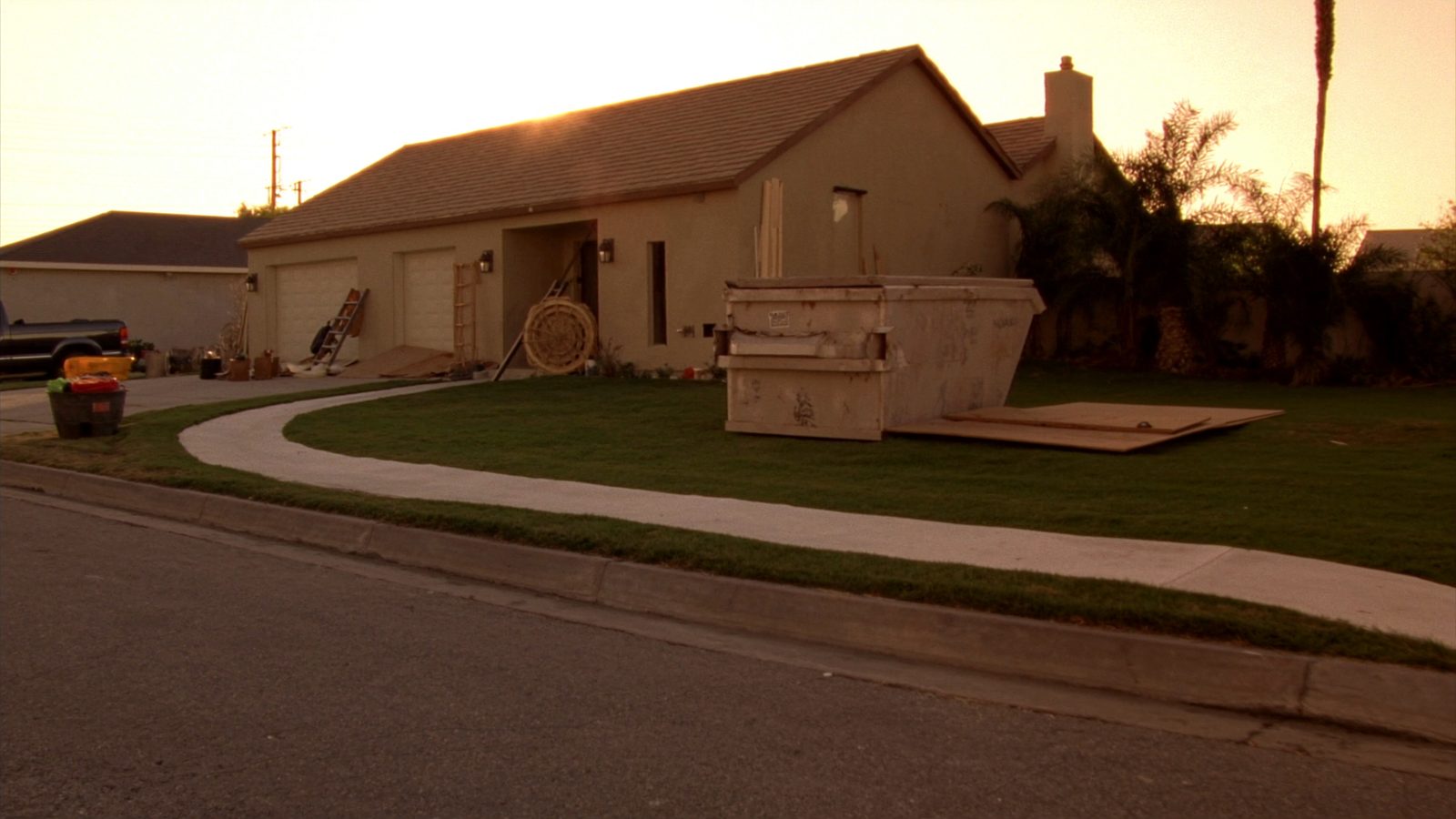
San Antonio is not one market. It is a dozen sub-markets stitched together by highway loops, each with different price points, different buyer pools, and wildly different economics for fix and flip investors.
The SA investor who flips a ranch house in Converse is playing a completely different game than the one renovating a 1940s bungalow in Denver Heights. Both can be profitable. Both can lose money. The difference comes down to knowing which neighborhoods offer the right combination of acquisition price, ARV potential, and buyer demand to support a flip in 2026.
This guide breaks down four San Antonio neighborhoods where the fix and flip math works right now, with real number ranges, not theory.
If you are looking for buy-and-hold rental investment data instead, our Best Zip Codes for Rental Property Investors in San Antonio covers a completely different set of criteria and neighborhoods. Flipping and holding require different locations, different analysis, and different exit strategies.
What Makes a Good Fix and Flip Market?
Before diving into specific neighborhoods, here is what separates a profitable flip market from a money pit:
ARV spread. The gap between what you pay for a distressed property and what a renovated version sells for. You need enough room for acquisition + renovation + holding costs + profit. The 70% rule (covered in detail in our ARV Calculation Guide) is the standard quick filter: your all-in cost should not exceed 70% of ARV.
Buyer demand post-renovation. A beautiful flip in a neighborhood where nobody wants to buy is a rental property whether you planned it that way or not. You need owner-occupant demand - first-time buyers, young families, move-up buyers - in the $200,000 to $300,000 range where most SA flips land.
Distress supply. Profitable flip markets have a consistent pipeline of distressed properties. One-off deals are fine, but scalable flip operations need neighborhoods where probate properties, tax-delinquent homes, code violation houses, and vacant properties appear regularly.
Contractor availability. San Antonio has a strong construction and trade workforce, which is an advantage over markets where contractor backlogs add months to timelines. The Bureau of Labor Statistics shows construction employment in the San Antonio MSA remaining stable through early 2026, supporting reasonable rehab timelines of 6-10 weeks for standard renovations.
Days on market post-flip. If renovated homes sit for 60+ days, your holding costs eat into margin. The best flip neighborhoods have DOM under 30 days for properly priced, well-renovated homes.
Neighborhood 1: Eastside / Denver Heights (78202 / 78210)
The San Antonio Eastside has been the most active flip zone in the city for the past three years. Its proximity to downtown (under 10 minutes), the ongoing gentrification pressure from new development along East Commerce Street, and the deep inventory of older housing stock make it the primary flip market in Bexar County.
The numbers:
| Metric | Range |
|---|---|
| Average distressed purchase price | $130,000 - $165,000 |
| Average ARV (post-renovation) | $210,000 - $245,000 |
| Gross spread | $70,000 - $90,000 |
| Typical renovation budget | $35,000 - $50,000 |
| Net profit estimate (after all costs) | $18,000 - $32,000 |
| Average DOM post-renovation | 18 - 28 days |
Why it works: Buyer demand in Denver Heights and the broader Eastside is driven by young professionals and first-time homebuyers priced out of Southtown and King William. Renovated 3-bed/2-bath homes in the $220,000 to $240,000 range sell quickly because they offer proximity to downtown at half the price of established neighborhoods west of I-37.
What to watch: Over-renovation is the primary risk. Putting $65,000 into a property that comps at $235,000 kills the margin. Stick to mid-range finishes - granite countertops, LVP flooring, updated fixtures. The buyer pool here responds to clean, functional renovations. They are not expecting custom tile work or designer kitchens.
Distress supply: High. The Eastside has significant probate property volume, tax-delinquent parcels, and code enforcement activity. The Bexar County Appraisal District shows hundreds of properties in these zip codes with delinquent tax balances, many of which are candidates for acquisition.
Neighborhood 2: Woodlawn / Near West Side (78201 / 78207)
Woodlawn and the Near West Side offer higher ARV potential than the Eastside, driven by proximity to the UTSA Medical Center campus and the established Deco District neighborhood. The housing stock is older (1930s-1960s), larger lot sizes are common, and buyer demand for renovated homes is strong from medical professionals and university staff.
The numbers:
| Metric | Range |
|---|---|
| Average distressed purchase price | $145,000 - $185,000 |
| Average ARV (post-renovation) | $235,000 - $275,000 |
| Gross spread | $75,000 - $95,000 |
| Typical renovation budget | $40,000 - $60,000 |
| Net profit estimate (after all costs) | $20,000 - $35,000 |
| Average DOM post-renovation | 22 - 32 days |
Why it works: The Deco District and surrounding blocks have established neighborhood identity. Buyers here are willing to pay for character - original hardwood floors, covered porches, mature tree canopy. Unlike the Eastside where new construction competes for buyers, Woodlawn buyers specifically want renovated vintage homes. That reduces competition from builders.
What to watch: Structural issues are more common in pre-1950 homes. Foundation work, plumbing replacement (galvanized to PEX), and electrical panel upgrades can blow a budget fast. Always inspect before closing and build a 10-15% contingency into your renovation estimate for these older properties.
The San Antonio Historic and Design Review Commission may have design requirements in certain designated areas of the West Side. Check before planning exterior modifications.
Neighborhood 3: Highland Hills / South San Antonio (78211 / 78221)
Highland Hills and South SA represent the entry-level flip market. Purchase prices are the lowest in the metro, and while ARVs are more modest, the volume of distressed inventory means investors can run more flips per year at this price point.
The numbers:
| Metric | Range |
|---|---|
| Average distressed purchase price | $115,000 - $145,000 |
| Average ARV (post-renovation) | $185,000 - $220,000 |
| Gross spread | $65,000 - $80,000 |
| Typical renovation budget | $28,000 - $42,000 |
| Net profit estimate (after all costs) | $15,000 - $28,000 |
| Average DOM post-renovation | 20 - 30 days |
Why it works: The buyer pool at the $185,000-$220,000 price point is enormous. First-time buyers using FHA financing, veterans using VA loans, and families relocating from more expensive parts of the city all compete for renovated homes in this range. Demand consistently outpaces supply of move-in-ready inventory.
What to watch: Per-flip profit is lower, which means your volume needs to be higher for the same annual return. The operational play here is efficiency: repeatable renovation scopes, consistent contractor relationships, and fast turn times. Investors who flip 8-12 properties per year in South SA generate strong total returns through velocity rather than per-deal margin.
Dual exit strategy: If a flip stalls or the market softens, the rental economics in South SA work. A $185,000 property rents for $1,350-$1,500/month, which covers your holding costs and produces positive cash flow until you find a buyer. This built-in fallback makes South SA flips lower-risk than higher-priced neighborhoods.
According to Realtor.com research data, San Antonio continues to rank as one of the most affordable major metros in Texas, and that affordability drives persistent demand at the entry-level price point.
Neighborhood 4: Converse / Universal City (78109 / 78148)
Converse and Universal City sit on the northeast edge of San Antonio, anchored by Randolph Air Force Base. The military presence creates a unique buyer dynamic: consistent demand from active duty, veterans, and civilian defense workers who need move-in-ready homes on predictable timelines.
The numbers:
| Metric | Range |
|---|---|
| Average distressed purchase price | $155,000 - $195,000 |
| Average ARV (post-renovation) | $255,000 - $295,000 |
| Gross spread | $80,000 - $100,000 |
| Typical renovation budget | $40,000 - $55,000 |
| Net profit estimate (after all costs) | $25,000 - $40,000 |
| Average DOM post-renovation | 15 - 25 days |
Why it works: Military buyers purchase on PCS (Permanent Change of Station) cycles, which means demand is not purely seasonal - there is consistent buying activity year-round. VA loan usage is extremely high in these zip codes, and VA buyers are pre-qualified and motivated. Renovated homes priced at $260,000-$290,000 sell fast here because that range aligns with VA loan limits and typical military family budgets.
What to watch: The housing stock in Converse is newer (1980s-2000s) than the other neighborhoods on this list. That means fewer structural surprises during renovation but also tighter comps. Over-paying for a distressed property here compresses your margin quickly because the spread between distressed and renovated prices is not as dramatic as in older neighborhoods.
The U.S. Department of Veterans Affairs provides resources for understanding VA loan appraisal requirements, which matter for flippers selling to VA-financed buyers. VA appraisals can flag items that conventional appraisals ignore, so your renovation scope should account for VA compliance.
San Antonio Fix and Flip Economics: The Big Picture
For investors comparing San Antonio to other Texas markets, here is the context: SA offers lower entry points than Dallas or Austin but with competitive ARV spreads. The contractor labor market is less strained than Houston's. And buyer demand at the $200,000-$300,000 range - where most SA flips exit - is the deepest part of the market.
Our San Antonio Real Estate Market Analysis provides the macro data on cap rates, population growth, and institutional investor activity that supports these neighborhood-level flip economics.
For investors who want to understand how ARV calculations drive every flip decision, our How to Calculate ARV in Real Estate guide walks through the formula with SA-specific examples.
Frequently Asked Questions
Which San Antonio neighborhoods have the best fix and flip potential in 2026?
The Eastside/Denver Heights (78202/78210), Woodlawn/Near West Side (78201/78207), Highland Hills/South SA (78211/78221), and Converse/Universal City (78109/78148) offer the strongest flip economics in 2026. Each serves a different investor profile and price point, with gross spreads ranging from $65,000 to $100,000 depending on the neighborhood.
What is a realistic profit margin for flipping houses in San Antonio?
Net profit per flip in San Antonio ranges from $15,000 to $40,000 depending on the neighborhood, property condition, and renovation scope. Higher-priced flips in Converse produce larger per-deal profit, while South SA offers lower per-deal margins but higher volume potential. Most experienced SA flippers target $20,000-$30,000 net profit per property.
How long does a typical fix and flip take in San Antonio from purchase to close?
A standard San Antonio flip takes 3 to 5 months from acquisition to sale. Renovation typically runs 6-10 weeks for a standard scope, marketing and staging adds 1-2 weeks, and buyer closing takes 3-4 weeks. Total days from purchase to proceeds: 90-150 days depending on complexity and market conditions.
What zip codes in Bexar County have the most flipping activity?
The highest-volume flip zip codes in Bexar County are 78202 (Eastside), 78207 (West Side), 78210 (Denver Heights/South), 78211 (Highland Hills), and 78109 (Converse). These zip codes combine distressed inventory supply with strong buyer demand in the price ranges where most flips exit.
Are there enough contractors in San Antonio to support a fix and flip business?
San Antonio has a strong construction workforce supported by the broader South Texas building economy. Contractor availability is better than Houston or Austin, with typical lead times of 1-3 weeks for general contractors. Building reliable contractor relationships and paying on time are the keys to maintaining access to quality labor.
Looking for below-market properties to flip in San Antonio? Home Pros sources distressed properties across Bexar County every week. Our Marketplace delivers vetted investment opportunities with ARV analysis included.
Browse San Antonio investment properties - '
See the full San Antonio market analysis - '