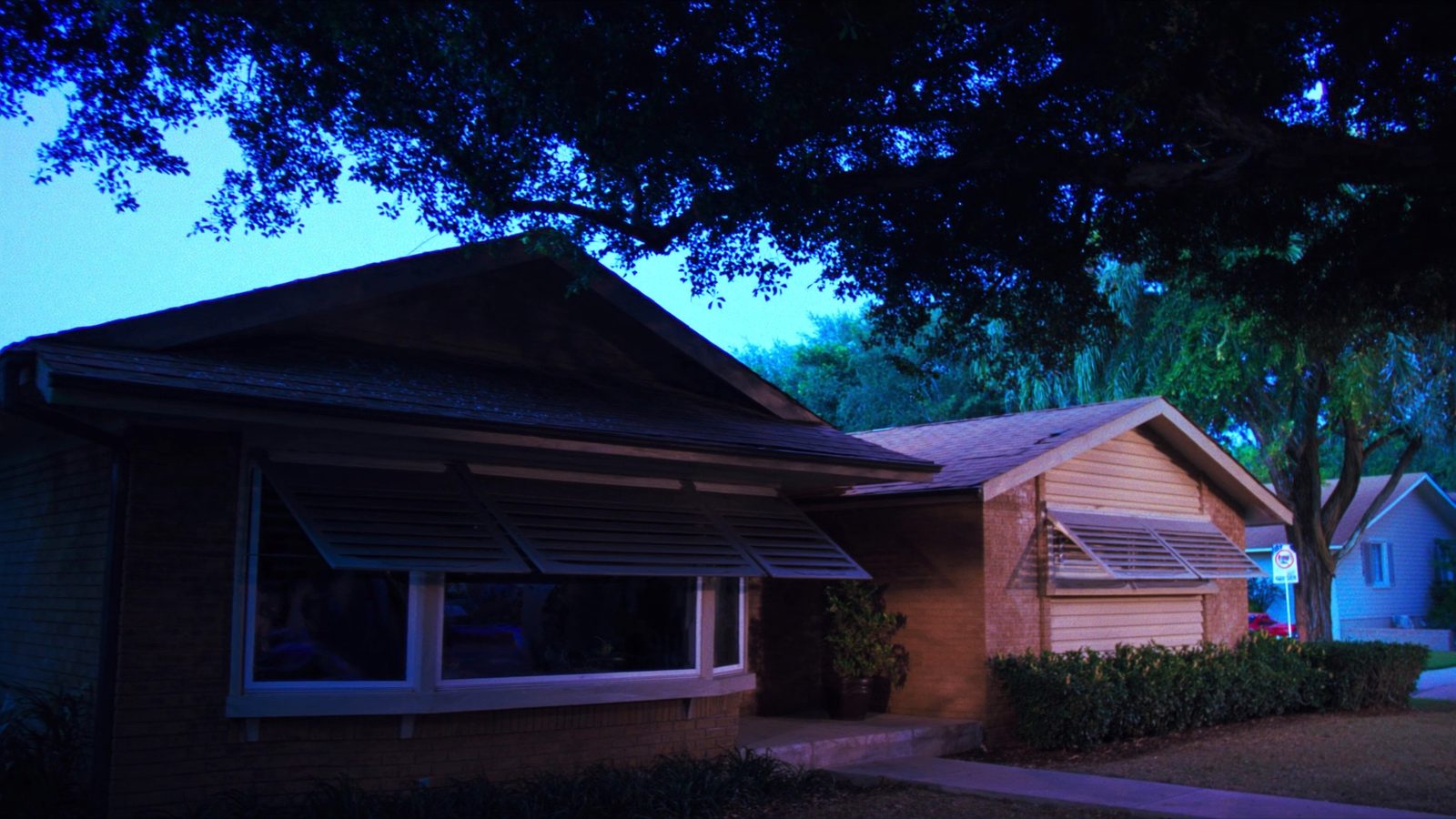
Houston's rental market has a secret that West Coast investors are just now discovering: you can actually make money renting houses here. Not through appreciation. Not through speculation. Through straightforward, predictable cash flow.
With a median home price of $342,000 (20% below the national average) and consistent monthly rents of $2,000–$2,500, Houston neighborhoods can generate 6–8% gross yields. After operating costs, that translates to 4.5–6% net cash-on-cash returns. In Los Angeles, San Francisco, or Seattle, those yields are impossible. Investors in those markets can barely cover operating costs, let alone pocket meaningful cash flow.
But Houston is different. And if you understand which neighborhoods attract which tenants and which areas are positioned for migration-driven demand, you can build a genuinely profitable rental portfolio here.
Houston's Investment Advantage: Affordability + Migration
Harris County has 1,220 sales per month - a massive volume that creates micro-opportunities for patient investors. The cost of living is 7% below the national average. Houston is ranked as the #1 destination for St. Louis migrants, with significant inbound from Los Angeles, Washington DC, Chicago, New York, and Boston.
That combination - affordable entry prices, high volume, and inbound migration - creates reliable tenant demand. People moving to Houston from higher-cost metros don't own homes immediately. They rent first. That's where rental investors come in.
Plus, Houston's price-per-square-foot is declining at -2.8% while median prices hold relatively flat. This is good news for cash flow investors. It means cap rates aren't compressed by speculation. The market isn't irrational. You're buying income-producing assets at reasonable valuations, not betting on appreciation.
The Neighborhoods: Where Cash Flow Actually Works
Spring/Klein Area
Why it works: Spring/Klein sits north of Houston with affordable entry prices, strong schools, and consistent family-oriented tenant demand. Properties typically run $280K–$380K, generating $1,900–$2,300 in monthly rent. That's a 7–8% gross yield right out of the box.
Tenant profile: Corporate families relocating to Houston, especially from the Northeast and West Coast. Strong employment concentration in nearby business parks. Stable, income-qualified tenants who value schools.
What to watch: Spring/Klein appreciation is slower than closer-in suburbs, but that's actually good for you. It keeps entry prices reasonable and prevents speculation from inflating rent expectations beyond what the local job market supports.
Katy
Why it works: Katy is the sweet spot for Houston rental investors - 30 minutes from downtown, excellent schools, suburban growth, and strong corporate presence. Entry prices are $320K–$420K with rents typically $2,100–$2,600. Gross yields: 6.5–8%.
Tenant profile: Families, young professionals, corporate transfers. Katy attracts people from Dallas and other Texas metros as well as national relocations. Very stable tenant base. Turnover is lower than in trendy neighborhoods.
What to watch: Katy has been appreciating faster than outer suburbs, so entry timing matters. Look for properties in transition areas (being upgraded but not yet fully appreciated) for better value.
Cypress
Why it works: Cypress is rapidly growing with family-friendly demographics and good job access via I-290. Prices run $300K–$400K with rents around $2,000–$2,400. Gross yields: 6–8%. The area has lower vacancy rates than some competitors.
Tenant profile: Young families, blue-collar workers with stable employment, military personnel. Strong community stability. Schools and suburban amenities attract longer-term renters.
What to watch: Cypress is appreciating, which is good for long-term wealth building but means you need to underwrite based on current cash flow, not future appreciation.
Pearland and Friendswood (South Side Growth)
Why it works: South of Houston, Pearland and Friendswood offer established suburban character with good transit access. Prices $340K–$480K generate rents of $2,100–$2,700. Gross yields: 5.5–7.5%. These areas are further out but more stable than inner-ring neighborhoods.
Tenant profile: Established families, professionals working in the Medical Center, aerospace engineers (NASA is nearby). Very stable tenant base. Turnover is low because people often stay for years.
What to watch: These areas are more expensive on entry but attract higher-quality tenants, which reduces vacancy risk and management headaches. The trade-off is worth it.
Missouri City and Sugar Land (West Side Stability)
Why it works: West side suburbs with excellent schools, corporate presence, and predictable growth. Prices $360K–$500K with rents $2,200–$2,800. Gross yields: 5.5–7%. Established area with mature renters.
Tenant profile: Corporate employees, established families, low turnover. These neighborhoods attract people who plan to stay, not people using rental as a transition. That stability is worth more than the slightly lower yields.
What to watch: These areas are already well-known, which means competition for deals is higher. You'll need to look for off-market opportunities or properties with minor issues that scare away retail buyers.
Pasadena and Deer Park (Industrial Corridor, Blue-Collar Opportunity)
Why it works: East of Houston, Pasadena and Deer Park sit in the industrial corridor with stable shift-worker employment. Prices $260K–$340K with rents $1,700–$2,100. Gross yields: 7–8.5%. These are some of the strongest yields in the metro because entry prices are lower.
Tenant profile: Plant workers, petrochemical employees, logistics workers. Stable, unionized employment. These tenants have strong income security and relatively low turnover despite modest salaries.
What to watch: These neighborhoods face more industrial noise and environmental concerns than residential suburbs. But for pure cash flow, the yields are hard to beat. You're not buying for appreciation or prestige - you're buying for reliable income.
Third Ward and East End (Gentrification Play, Higher Risk/Higher Reward)
Why it works: Inner Houston neighborhoods with strong gentrification momentum. Prices are rising (currently $280K–$380K for rentals) but still undervalued relative to potential. Rents climbing to $1,900–$2,400. Gross yields: 6–8% right now, likely to decline as area appreciates.
Tenant profile: Mix of young professionals, artists, startup employees, and established residents. More turnover and diversity than suburbs. Not as stable but more interesting culturally and financially.
What to watch: These are appreciation-plus-income plays, not pure cash flow bets. You're betting on neighborhood transition. That works if gentrification actually materializes but is riskier if job growth slows or investor enthusiasm wanes.
Houston's Migration Advantage Is Real and Underpriced
Houston receives more inbound migration than any other major Texas metro except Austin (which has already priced in its growth). St. Louis sends the most migrants, but LA, Washington DC, Chicago, New York, and Boston all send substantial numbers.
These aren't people randomly relocating. They're people from expensive metros discovering that Houston has jobs, affordability, and no state income tax. Many of them rent first. That's your tenant base. As Houston becomes more widely known among HCOL expats, rental demand will only strengthen.
Investors who build portfolios now, before that narrative becomes widely known, will benefit from rent growth that's already embedded in the migration trend.
Building Your Houston Rental Portfolio
The best Houston rental investors do three things:
1. Focus on cash flow, not appreciation. Buy properties that generate 5%+ net yields today, and let appreciation be a bonus. This is the opposite of coastal real estate psychology, but it's how you actually get wealthy in Houston.
2. Target neighborhoods with specific tenant profiles. Young families, corporate transfers, and stable workers. Avoid highly transient areas with high turnover unless you're comfortable managing constant tenant transitions.
3. Buy off-market when possible. MLS properties are competitively priced. Wholesalers, estate sales, and direct investor networks often have better value. Join the Home Pros Marketplace to see off-market Houston rental opportunities before they hit traditional listing.
Find Off-Market Houston Rental Opportunities
The best deals never hit the MLS. See Houston investment properties before traditional listings and negotiate directly with sellers.
Join the Home Pros MarketplaceFrequently Asked Questions
What's the best Houston neighborhood for rental cash flow?
Spring/Klein, Katy, and Cypress offer the strongest combination of affordable entry prices, consistent tenant demand, and positive cash flow. These suburban areas attract families relocating to Houston and typically generate 6–8% gross yields. Entry prices are 10–15% below central Houston, which improves your cap rate.
How much can I expect to earn renting a Houston investment property?
Houston's median price of $342K with rental rates around $2,000–$2,500/month typically generates 6–8% gross yield. After approximately 25% operating costs (property tax, insurance, maintenance, vacancy), net yields run 4.5–6%. This significantly exceeds typical coastal market yields of 3% or less.
Are Houston rental properties appreciating right now?
Appreciation is slow - price/sqft is declining at -2.8% while median prices remain flat. This is actually favorable for cash flow investors because it means cap rates aren't compressed by speculation. You're buying for predictable income, not betting on appreciation. That's a more stable, sustainable investment strategy.
What neighborhoods are getting the most inbound migration to Houston?
Houston is the #1 destination for St. Louis migrants, with significant inbound from Los Angeles, Washington DC, Chicago, New York, and Boston. These migrants typically move to established suburbs with good schools and relative affordability: Katy, Cypress, Spring/Klein, Sugar Land, and Pearland. They rent initially, creating consistent tenant demand.
Which Houston neighborhoods have the most stable tenants?
Established suburbs with strong school districts attract more stable, income-qualified tenants: Sugar Land, Pearland, and Friendswood. Blue-collar neighborhoods like Pasadena and Deer Park attract shift workers with stable unionized employment and strong income security. These areas have lower turnover despite modest rents.
How do I find off-market Houston rental investment properties?
Most quality deals never hit the MLS. Work with wholesalers, local investor networks, or marketplace platforms like the Home Pros Marketplace that surface off-market properties before traditional listing. These deals typically offer better value, less competition, and more flexibility on terms.