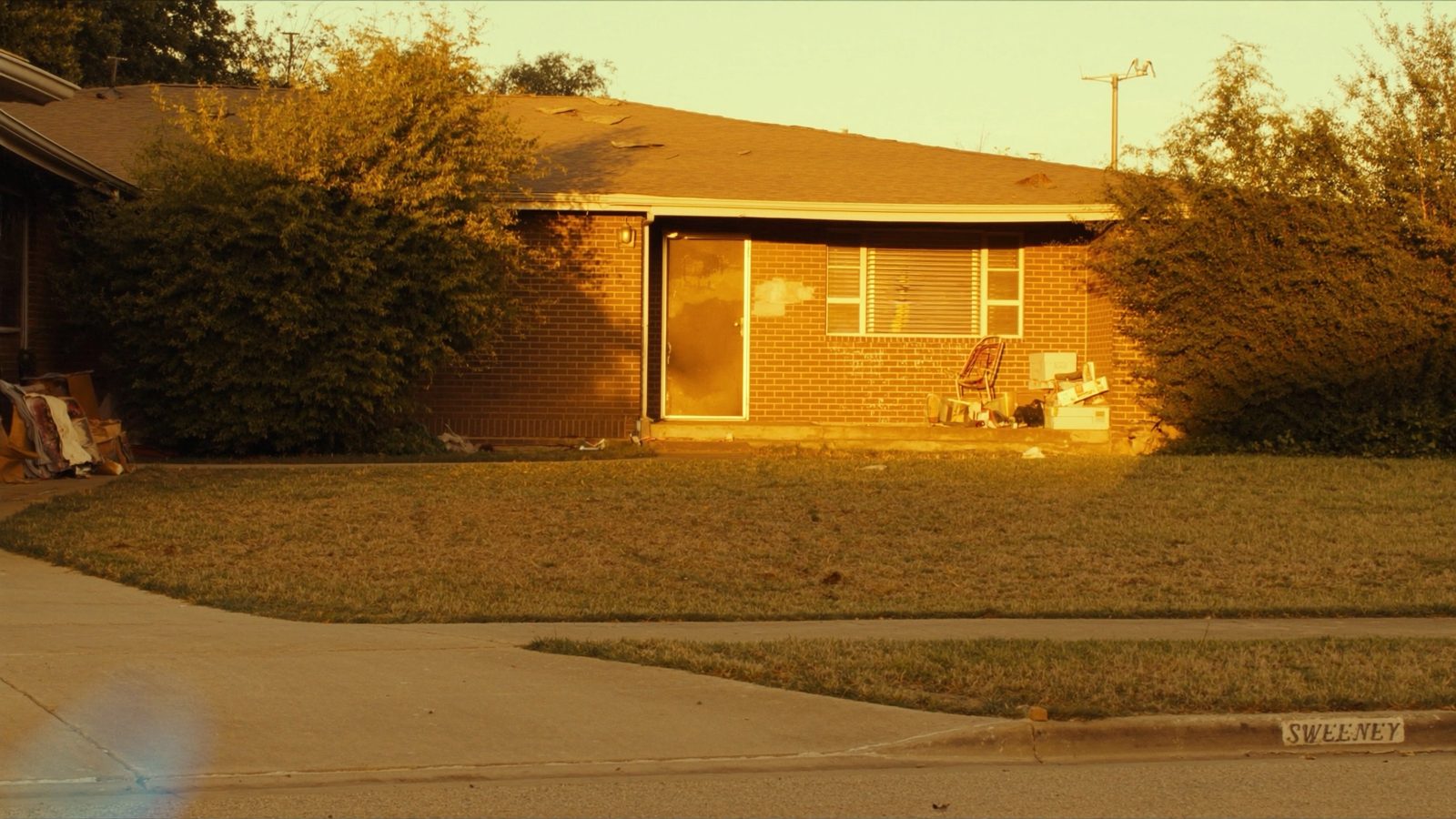
You've been collecting rent for years, thinking about appreciation and building equity. Then the tenants stop paying. Or the carpet gets trashed. Or you get a notice that they're in the process of being evicted for something worse. And suddenly you're stuck: do you spend $3,000 and wait three months for a forced eviction? Or do you find a way out faster?
Houston has a massive rental market - Harris County is Texas's largest county, and rental properties are everywhere. But being a landlord has a shelf life for many people, especially when the tenants themselves become the problem. If you're considering selling a rental property in Houston with bad tenants, you have options. But you need to understand the actual costs and timeline of each before you decide.
Houston's Rental Market Is Facing Headwinds
Houston sales volume is down 12.5% year-over-year - the worst performance among major Texas metros. The median home price is $342,000, which is 20% below the national average, but that doesn't mean inventory is tight. Vacancy is up, and fewer buyer options mean it's harder to place rental properties on the traditional market.
Days on market in Houston are averaging 74 days, up from 58 the prior year - a 28% increase. Only 11.8% of homes are selling above list, and the sale-to-list ratio is 96.4%, meaning sellers are typically 4% below asking price.
For landlords with problem tenants, this market environment is especially tough. Traditional buyers avoid tenant-occupied properties. Lenders discourage them. And the pool of qualified retail buyers shrinks with each month the property sits on market while you deal with tenant drama.
The Real Cost of Keeping a Problem Tenant
Before we talk about selling, let's be clear about what keeping a problem tenant actually costs you.
Lost rent: A tenant who stops paying costs you money immediately. In Harris County, eviction takes a minimum of 60 days if the tenant doesn't respond, and often 2–4 months if they contest it. During this time, you collect zero rent. On a $2,000/month property, that's $4,000–$8,000 in lost income alone.
Legal costs: Filing for eviction, serving notices, court filing fees, and attorney costs in Harris County typically run $1,500–$3,000 even if the tenant doesn't fight it.
Property damage: A tenant facing eviction has no incentive to maintain the property. Carpet damage, wall holes, broken appliances, and pest infestations are common. Professional cleaning and repairs after an eviction can cost $3,000–$8,000.
Lost market opportunity: While you're dealing with an eviction, the property is in legal limbo. It's not being shown. It's not being marketed. And the longer a property sits without showing activity, the less attractive it becomes to potential buyers when it finally hits market.
Psychological cost: Three months of late-night stress, phone calls, no-shows, and legal headaches. Time spent dealing with tenant issues is time not spent on other business or personal priorities.
Add this up: $4,000–$8,000 in lost rent + $1,500–$3,000 in legal costs + $3,000–$8,000 in repairs + months of market opportunity cost = an eviction process that costs you $10,000–$20,000 minimum before you even get the property back to a sellable condition.
Why Selling to a Cash Buyer Is Often Cheaper Than Evicting
Here's where the math gets interesting. Imagine you have a rental property worth $300,000 in good condition with a tenant that's 45 days behind on rent and property damage is evident.
Option A: Evict, repair, and sell traditional
- Eviction legal fees: $2,500
- Lost rent during 60-90 day eviction: $5,000–$7,500
- Post-eviction repairs and cleaning: $5,000–$8,000
- Time to list and show (property still carrying): 30 days additional
- Traditional sale timeline: 74 days (Houston average)
- Real estate commission (6%): $18,000
- Additional carrying costs during listing: $2,500–$3,000
- Total time: 150+ days
- Total costs: $33,000–$39,000
- Expected net (assuming $300K sale): ~$261,000–$267,000
Option B: Sell directly to a cash buyer
- Property evaluation (property as-is, tenant in place): 2–3 days
- Cash offer (accounts for tenant situation): typically 60–75% of market value
- Offer: $180,000–$225,000 (tenant-occupied discount built in)
- Closing timeline: 10–21 days
- No repairs, no commission, no carrying costs
- Total time: 14–24 days
- Total costs: minimal (title transfer only)
- Net proceeds: $180,000–$225,000
At first glance, Option A yields more money ($261K–$267K vs. $180K–$225K). But the real comparison isn't just about gross proceeds. It's about net proceeds over time.
In Option A, you're spending $33,000–$39,000 in out-of-pocket costs and tying up capital for 150+ days. In Option B, you're closing in 14–24 days with zero out-of-pocket costs.
The gap narrows when you account for:
- Time value of money (you can redeploy capital faster with the cash sale)
- Psychological cost (no eviction stress)
- Uncertainty (traditional sale contingencies can still fall through; cash sale doesn't)
For many landlords, especially those done with the rental game entirely, the cash sale makes more sense despite the lower gross proceeds.
What Happens to Tenants When You Sell to a Cash Buyer?
One of the biggest questions landlords ask: what happens to the tenants?
Under Texas Property Code, when a property sells, the tenants' lease rights are protected. A new owner must honor the existing lease terms. The tenants don't automatically have to leave.
In a cash buyer transaction:
Option 1: Tenants stay under their lease. The cash buyer assumes the lease and the responsibility for collecting rent and managing the property. This is common if the lease term is short and the tenant situation is stable enough. You're out; they're in.
Option 2: Lease buyout. The cash buyer negotiates a cash payment with the tenant to leave before closing. For a tenant 45 days behind on rent facing eviction threat, a $2,000–$3,000 buyout often sounds attractive. They leave with cash in hand instead of an eviction on their record.
Option 3: Tenant remains pending lease expiration. The cash buyer can afford to wait for the lease term to end naturally if the situation is manageable. You're off the hook immediately; they inherit the tenant relationship.
In most cases, experienced cash buyers handle this themselves. It's factored into their offer price, and they know how to navigate it. Your job is done at closing.
Harris County Eviction Basics (If You Still Want to Go That Route)
If you're committed to evicting before selling, here's what to expect in Harris County.
Timeframe: Eviction in Harris County takes 60+ days for an uncontested case, 120+ days if the tenant fights it in court.
Cost: Filing fees, service fees, and attorney costs typically total $1,500–$3,000. If you represent yourself (not recommended), expect to spend time in court and risk procedural errors that extend the timeline.
Process: You file with the constable, serve the notice, wait for response period, file if needed, attend court hearing (or default hearing), get judgment, file for eviction, wait for constable to perform lockout.
Post-eviction: Once you get possession back, you still have to clean, repair, and re-market. This takes another 2–4 weeks minimum.
The timeline alone is why most landlords with problem tenants choose to sell rather than evict. Eviction isn't just expensive - it's time-consuming and emotionally draining.
Houston's Rental Market Dynamics Make Now the Time to Exit
Houston's rental market is shifting. Sales volume down 12.5%. Vacancy up. Fewer buyer options. Days on market climbing. This isn't a moment to hope the property appreciates or the tenant situation improves. It's a moment to convert that asset to cash before conditions deteriorate further.
Cash buyers are actively purchasing rental properties in Houston, including tenant-occupied ones, because they have scale and experience managing these situations. A property that might sit on the MLS for 120+ days with a problem tenant can close in 3 weeks to a cash buyer.
If You're Done With Landlording
If you're reading this because you're exhausted by bad tenants and wondering if it's time to sell, the answer is probably yes. Home Pros buys rental properties in Houston in any condition, including tenant-occupied. We handle the tenant transition, and you walk away with cash.
Stop Dealing With Problem Tenants
Get a no-obligation cash offer on your Houston rental property. We handle everything, including the tenant situation.
Get a Cash OfferFrequently Asked Questions
Can you sell a rental property with tenants living in it?
Yes. Investor-to-investor and cash buyer transactions happen regularly with tenants in place. The tenants typically remain under their current lease unless the new owner negotiates a buyout or termination. Traditional MLS sales are harder to close with occupied properties because most retail buyers want vacant properties.
What do tenants have to do when a rental property sells in Texas?
Under Texas Property Code, tenants have rights to their existing lease regardless of ownership change. A sale doesn't automatically terminate the lease. New owners must honor existing lease terms. If the new owner wants tenants to leave, they must wait for lease expiration or negotiate a buyout.
How much is a rental property worth with problem tenants?
Tenant-occupied properties typically sell for 10–20% less than owner-occupied homes in similar condition. Problem tenants (non-paying, property damage, eviction pending) discount the value further because they create liability, lost income, and legal complexity. Cash buyers factor in all these costs when making an offer.
Is it cheaper to evict tenants or sell the property?
Eviction in Harris County takes 60–120 days and costs $1,500–$3,000 in legal fees, plus lost rent and post-eviction repairs. Selling to a cash buyer takes 10–21 days with no out-of-pocket costs. Even with a discount on sale price, cash sales are usually faster and cheaper than eviction.
Can I sell a rental property during an eviction in Houston?
Yes. The sale actually often helps close faster. The cash buyer assumes the eviction process and all associated liability. You exit the problem completely rather than waiting months for legal proceedings to finish.
What's the best strategy for selling a tenant-occupied property in Houston right now?
Houston's declining sales volume and rising vacancy make tenant-occupied sales harder on the traditional market. Cash buyers are the most realistic path. They're experienced with tenant transitions, factor in the complexity upfront, and close quickly. You get certainty and speed instead of hoping for a retail buyer.