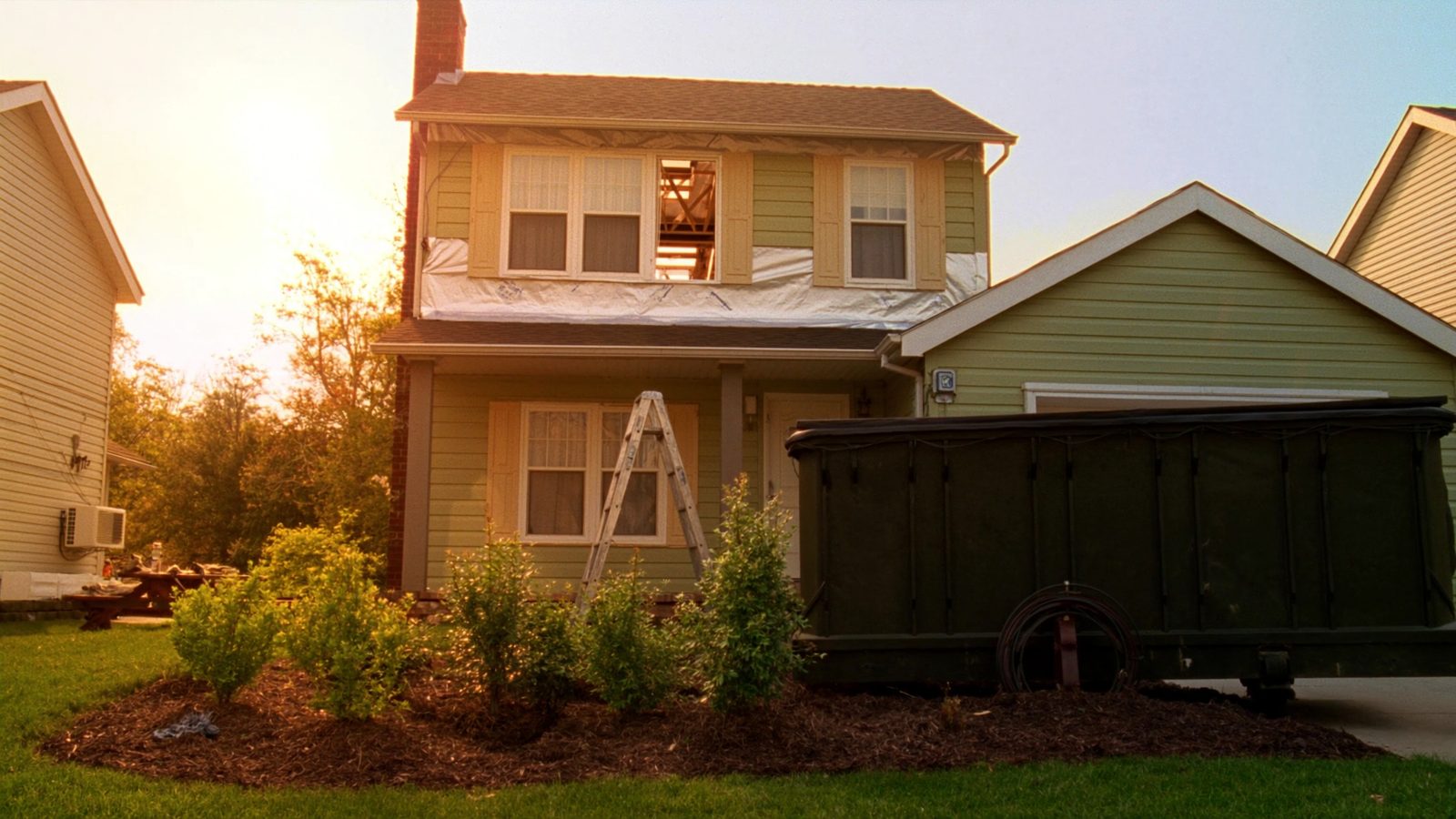
A friend of mine bought a rental property in San Antonio two years ago. Spent $112,000 on acquisition, put $28,000 into renovations, rented it for $1,400 a month, and six months later pulled $130,000 back out through a cash-out refinance.
He used that money to buy the next one. Then the next one. Four properties in 18 months, all funded by recycling the same pool of capital.
That is the BRRRR method. It is not magic and it is not a shortcut. But when executed correctly, it is one of the most capital-efficient ways to build a rental portfolio. Here is exactly how it works, where it breaks down, and whether it makes sense for investors in today's market.
What the BRRRR Method Actually Is
BRRRR stands for Buy, Rehab, Rent, Refinance, Repeat. The idea is simple: instead of tying up fresh capital in every property you acquire, you buy below market value, force appreciation through renovations, stabilize the property with a tenant, then refinance to pull your original capital back out.
If you execute it well, you end up with a cash-flowing rental property and most (or all) of your money back - ready to deploy again.
The concept was popularized by BiggerPockets and has been used by small and mid-size investors for over a decade. But the details of how it works in 2026 look different than they did in 2020 or 2022, particularly around interest rates and refinance terms.
Phase 1: Buy - Acquisition Below Market Value
The entire BRRRR strategy lives or dies on the purchase price. You need to buy at a significant discount to after-repair value (ARV) because the refinance math only works if there is enough equity in the property after renovation.
The standard guideline is buying at 65 to 75 percent of ARV, minus rehab costs. This is sometimes called the 70 percent rule, which we covered in detail in our real estate investing fundamentals guide.
Here is a concrete example using a property in Dallas:
- ARV: $240,000
- Maximum acquisition + rehab: $240,000 x 0.70 = $168,000
- Estimated rehab: $35,000
- Maximum purchase price: $168,000 - $35,000 = $133,000
Where do you find properties at that kind of discount? Not on the MLS - at least not often. Off-market sourcing is where most BRRRR deals originate. We wrote about finding off-market properties in a separate guide, but the short version is: direct-to-seller marketing, wholesaler relationships, probate lists, and auction platforms.
Financing at acquisition typically involves cash, hard money loans, or private money. Conventional bank loans rarely work for distressed properties because they require the property to meet minimum condition standards. According to the Consumer Financial Protection Bureau, most traditional mortgage programs require properties to be habitable at closing.
Phase 2: Rehab - Forcing Appreciation
This is where BRRRR investors create value. The renovation should focus on three goals: making the property safe and habitable, meeting the appraisal standards needed for your refinance, and attracting a quality tenant at market rent.
Common BRRRR rehab scopes in Texas markets right now include:
- Kitchens: $6,000 to $12,000 for a mid-grade update (new counters, paint cabinets, appliances, hardware)
- Bathrooms: $3,000 to $6,000 per bathroom
- Flooring: $4,000 to $8,000 for a 1,400 square foot home (luxury vinyl plank is the standard for rentals)
- Paint: $2,000 to $4,000 interior
- Roof (if needed): $8,000 to $14,000
- HVAC (if needed): $5,000 to $9,000
Two mistakes kill BRRRR investors during rehab. The first is over-improving. You are not building your dream home - you are building a rental that appraises well and rents quickly. Granite countertops in a $180,000 rental property in Pleasant Grove is money you will never see again.
The second mistake is underestimating costs and timelines. According to data from the National Association of Realtors' remodeling reports, renovation projects in 2025-2026 are averaging 15 to 20 percent above initial estimates due to material costs and contractor scheduling delays.
Budget a 15 percent contingency above your rehab estimate. If you think the rehab is $35,000, underwrite it at $40,250.
Phase 3: Rent - Stabilizing the Property
Once the rehab is complete, you need a qualified tenant paying market rent. The refinance lender will want to see a signed lease (or at minimum, a market rent analysis) before approving your cash-out refinance.
Tenant placement in strong rental markets usually takes two to four weeks after the property is listed. In San Antonio and Dallas, average days on market for rental listings in the $1,200 to $1,600 range have been running 18 to 28 days according to local property management companies.
Set rent based on actual comparable data. Check Zillow Research for rent estimates and cross-reference with active listings in the same zip code. Our rental property underwriting guide walks through this analysis step by step.
Do not inflate rent expectations to make the BRRRR math work on paper. If the deal only pencils with a $1,500 rent and comparables show $1,350, you are setting yourself up for vacancy.
Phase 4: Refinance - Pulling Your Capital Back Out
This is the phase that makes BRRRR different from regular buy-and-hold investing. You take out a new, long-term mortgage based on the property's new appraised value (post-rehab), and the proceeds from that loan pay off your original acquisition financing and return your capital.
Here is how the math works on our Dallas example:
- Purchase price: $133,000
- Rehab cost: $35,000
- Total invested: $168,000
- Post-rehab appraised value: $240,000
- Cash-out refinance at 75% LTV: $180,000
- Capital returned: $180,000 - $0 existing mortgage (paid cash) = $180,000
- Capital recovered: $180,000 - $168,000 = $12,000 profit, plus you own a rental
In this scenario, you pulled out more than you put in. You now have a $180,000 mortgage on a property worth $240,000, a tenant paying rent, and your original $168,000 back (plus $12,000 extra) to do it again.
The catch in 2026: interest rates. According to Freddie Mac's Primary Mortgage Market Survey, investment property rates are hovering in the 7.0 to 7.75 percent range for 30-year fixed products. That is notably higher than the 4 to 5 percent rates BRRRR investors enjoyed in 2020-2021.
Higher rates mean higher monthly payments, which squeeze cash flow. The property still needs to cash flow after the refinance - otherwise you have recycled your capital into a property that loses money every month.
Monthly mortgage payment on $180,000 at 7.25%: approximately $1,228
If rent is $1,650 and operating expenses (taxes, insurance, management, maintenance, CapEx) are $650/month, your cash flow is negative $228 per month. That deal does not work at 75% LTV with current rates.
Solutions: refinance at a lower LTV (70% or 65%), accept leaving more capital in the deal, or target higher-rent properties where the margin survives higher rates.
Phase 5: Repeat - Deploying Capital Again
If the refinance successfully returns most of your capital, you take that money and start the process over with the next property. Each cycle adds another rental to your portfolio while recycling the same pool of money.
Realistically, a full BRRRR cycle takes four to eight months:
- Finding and closing the deal: 2 to 6 weeks
- Rehab: 4 to 12 weeks
- Tenant placement: 2 to 4 weeks
- Seasoning period before refi: 3 to 6 months (many lenders require this)
Some investors run multiple BRRRR projects simultaneously, staggering acquisitions so one property is in rehab while another is being leased and a third is in the refinance pipeline. This takes more capital and more organizational capacity, but it accelerates portfolio growth significantly.
Where BRRRR Falls Apart: The Risks Nobody Mentions in Podcast Interviews
The BRRRR method sounds elegant on paper. In practice, several things can go wrong.
The appraisal comes in low. If your property appraises at $210,000 instead of $240,000, your refinance proceeds drop by $22,500 at 75% LTV. That capital stays trapped in the deal. Appraisers in 2026 are conservative - they have been burned by over-valuations and are using tighter comp selection.
Rehab costs blow past budget. A $35,000 rehab that turns into $52,000 because of hidden foundation cracks, outdated electrical panels, or permit delays can wreck your entire return calculation.
Rates spike between acquisition and refinance. If you buy assuming a 7 percent refi rate and rates move to 7.75 percent during your seasoning period, your monthly payment increases and cash flow shrinks.
Vacancy during rehab drags on. Every month a property sits empty during renovation is a month of carrying costs (hard money interest, insurance, utilities, taxes) with no income.
According to the Federal Reserve's economic data, the current monetary policy outlook suggests rates may begin easing in late 2026, but counting on rate drops as part of your investment thesis is speculation, not strategy.
Does BRRRR Still Work in 2026?
Yes - but the margin for error is thinner than it was three or four years ago. Higher interest rates mean you need a larger spread between purchase price and ARV to make the cash flow work after refinancing.
Markets with strong fundamentals still pencil. Dallas has the job growth and population migration to support strong rental demand. San Antonio offers lower entry points and solid cap rates in investor-friendly zip codes. Both markets have enough distressed and off-market inventory to source deals at BRRRR-appropriate discounts.
The investors getting hurt right now are the ones who bought at 78 to 80 percent of ARV assuming rates would drop quickly. Conservative underwriting - buying at 65 to 70 percent of ARV and stress-testing at current rates - is what separates successful BRRRR investors from the ones trying to sell their "portfolio" on Facebook.
Check the best real estate markets for 2026 for a detailed market-by-market breakdown, including cap rates and cash flow analysis for BRRRR-friendly cities.
How Home Pros Helps BRRRR Investors Find Deals
The hardest part of BRRRR is the first letter: Buy. Finding properties at 65 to 70 percent of ARV requires deal flow that most individual investors cannot generate on their own through direct mail or driving for dollars alone.
Home Pros sources off-market, distressed, inherited, and motivated-seller properties across 48 markets - including Dallas, San Antonio, Houston, Charlotte, and Oklahoma City. Many of these properties are ideal BRRRR candidates: priced below market, in need of cosmetic or moderate renovation, and located in high-demand rental areas.
Want to see off-market rehab inventory before it hits the MLS? Join the Home Pros Marketplace for access to investor deal flow in your target market.
Frequently Asked Questions
What does BRRRR stand for in real estate?
BRRRR stands for Buy, Rehab, Rent, Refinance, Repeat. It is a real estate investment strategy where you purchase a property below market value, renovate it, place a tenant, do a cash-out refinance to recover your capital, and then use that capital to buy the next property.
How much money do you need to start the BRRRR method?
Most BRRRR investors start with $40,000 to $80,000 in available capital, depending on market. This covers the down payment on a hard money loan or cash purchase, plus rehab costs. In markets like San Antonio or Oklahoma City, entry points are lower than in Dallas or Charlotte.
What are the biggest risks of the BRRRR strategy?
The biggest risks include rehab cost overruns, inaccurate ARV estimates that lead to under-appraised refinances, rising interest rates that reduce cash-out proceeds, extended vacancy during rehab, and getting stuck with a property that does not appraise high enough to pull your capital back out.
How long does the full BRRRR cycle take from purchase to refinance?
A typical BRRRR cycle takes 4 to 8 months. The rehab phase usually takes 4 to 12 weeks, followed by tenant placement (2 to 6 weeks), and then a seasoning period before refinancing. Most lenders require 3 to 6 months of ownership before approving a cash-out refi on investment properties.
Can you use the BRRRR method in markets like Dallas or San Antonio in 2026?
Yes. Both Dallas and San Antonio have strong rental demand, available inventory below market value through off-market channels, and lender competition for investment property refinances. The key is buying at the right discount - typically 65 to 75 percent of ARV - to ensure the refinance recovers most of your capital even at current interest rates.
Home Pros buys and sells investment properties across 48 markets nationwide. Our team has closed hundreds of transactions and provides real market data to help investors make smarter decisions. This content is for educational purposes and does not constitute financial or investment advice. Consult a licensed professional before making investment decisions.