BRRRR is the strategy that turned small-time landlords into portfolio owners. The concept is straightforward: buy a property below market value, renovate it, place a tenant, refinance to pull your capital back out, and do it again. The hard part is finding a market where every step of that process actually works in your favor.
Oklahoma City in 2026 checks every box. The median home value is $249,363 - the most affordable entry point of any major metro in the Home Pros portfolio. Quarterly appreciation just hit 9.5% annualized, which means the values are climbing fast enough to support strong refinance appraisals. The housing stock is 67.6% single-family, giving you depth of inventory. Oklahoma is landlord-friendly with no rent control. And institutional investors haven't flooded the market yet.
If you're looking for a market where BRRRR math still works in 2026, OKC might be the best opportunity in the country. Here's how to run the strategy here.
📌 OKC BRRRR Fundamentals (2026)
- Median home value: $249,363 (lowest in portfolio)
- Quarterly appreciation: 9.5% annualized (strongest momentum)
- Average rent: $1,577/month
- SFR concentration: 67.6% (highest in portfolio)
- Rent control: None (Oklahoma prohibits it)
- Foreclosure type: Non-judicial (faster acquisition path)
Step 1: Buy - Finding Below-Market Properties in OKC
The BRRRR strategy lives or dies on the acquisition price. You need to buy significantly below the after-repair value (ARV) so the numbers work at every subsequent step. In Oklahoma City, there are several reliable channels for finding discounted properties.
Oklahoma County tax sales: Tax sale notices are going out now (spring 2026). Properties with delinquent taxes are auctioned, often at significant discounts. These can be excellent BRRRR candidates, though you need to do title research upfront.
Probate and estate sales: With a large percentage of OKC housing built before 1970, there's a steady stream of inherited properties entering the market as original owners pass away. Heirs often live out of state and want a quick, clean sale.
Off-market acquisitions: Direct outreach to absentee owners, driving for dollars in target neighborhoods, and working with local wholesalers. The Home Pros Marketplace lists off-market opportunities sourced directly from sellers across the OKC metro.
Target acquisition price: For a typical OKC BRRRR, aim for 65% to 70% of ARV minus rehab costs. In practice, this means buying $100,000 to $140,000 properties that will be worth $180,000 to $220,000 after renovation.
Step 2: Rehab - What Renovations Actually Cost in OKC
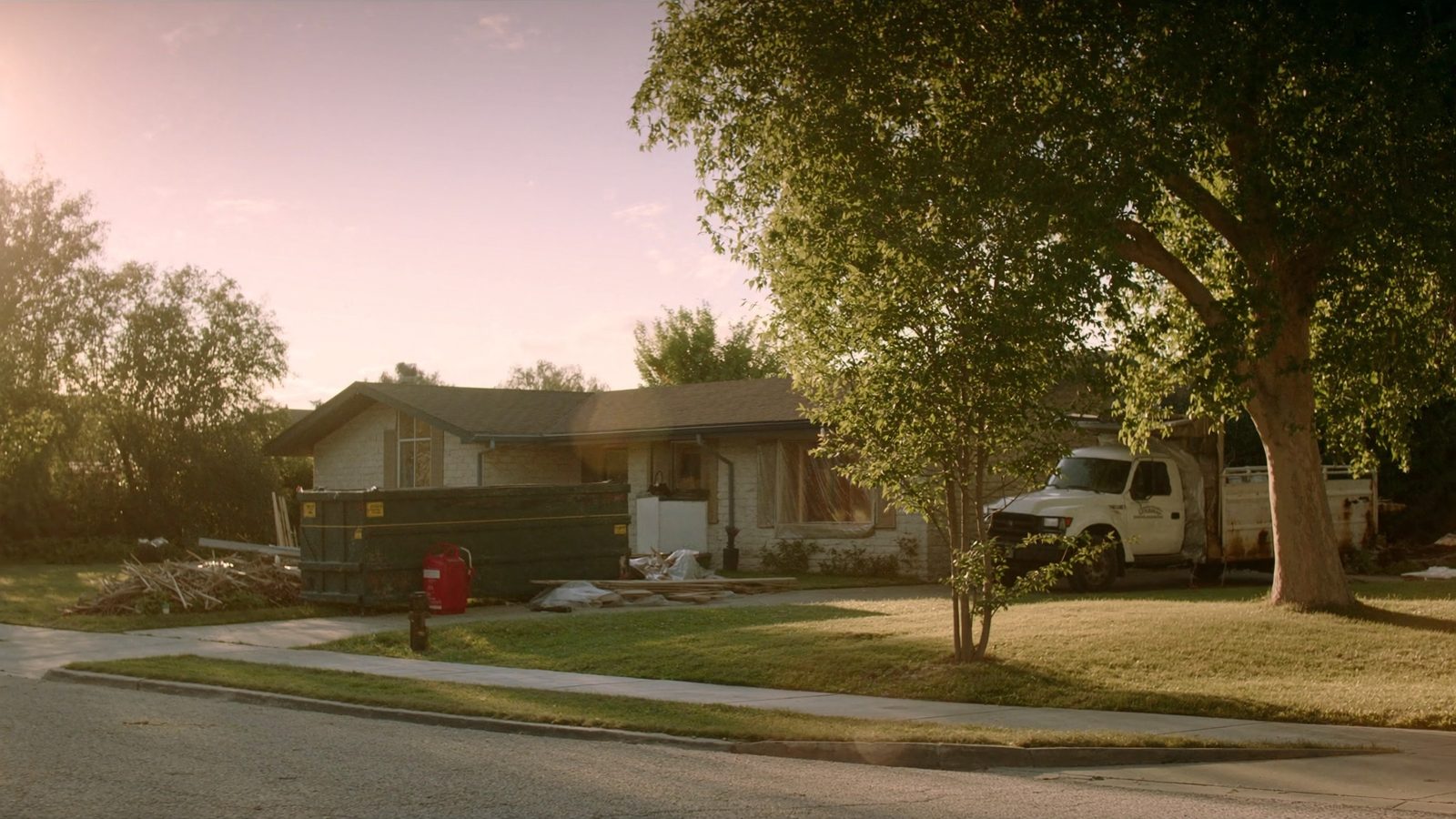
Oklahoma City rehab costs are lower than national averages, which is a major BRRRR advantage. Here's what to budget for common renovation scopes.
- Light cosmetic rehab (paint, flooring, fixtures, appliances): $15,000 to $25,000
- Medium rehab (cosmetic + kitchen/bath remodel, some systems work): $25,000 to $45,000
- Heavy rehab (gut renovation, structural, major systems): $45,000 to $75,000+
Two OKC-specific issues to watch for:
Foundation: Oklahoma's red clay soil expands and contracts with moisture changes, causing foundation movement. Budget for foundation inspection on every deal. Pier and beam repair typically runs $3,000 to $8,000; slab foundation repair can be $5,000 to $15,000. Don't skip this. It's the most common surprise cost in OKC rehabs.
Plumbing: Many pre-1970 homes have cast iron drain lines that corrode over time. Full re-pipe can run $5,000 to $12,000. Scope the lines before you close.
Step 3: Rent - Placing Tenants in the OKC Market
Average market rent in Oklahoma City is $1,577 per month. For BRRRR properties in the $150,000 to $200,000 ARV range, expect rents of $1,200 to $1,500 depending on location, condition, and bedroom count.
OKC's rental market has characteristics that favor landlords:
- No rent control: Oklahoma state law prohibits municipalities from implementing rent control. You set rents at market rate without artificial caps.
- Landlord-friendly eviction process: Oklahoma allows non-judicial eviction with a relatively streamlined timeline. If you screen tenants well, you rarely need it - but it's reassuring to know the process isn't adversarial.
- Stable demand: Tinker AFB (26,000 jobs), OU Health, Paycom, and the energy sector create consistent tenant demand across multiple employment sectors.
- Low turnover in established areas: Edmond, Norman, and the suburbs around Tinker see family tenants who stay 2 to 3 years or longer.
Screen carefully: verify income (3x rent minimum), run background and credit checks, and call previous landlords. The quality of your tenant determines whether you sleep well at night.
Step 4: Refinance - Pulling Your Capital Back Out
This is the step that makes BRRRR different from ordinary buy-and-hold investing. After the property is renovated and rented, you refinance based on the new appraised value and pull out most (or all) of your initial investment.
Typical refinance structure: Most DSCR (Debt Service Coverage Ratio) lenders will refinance at 70% to 75% of the appraised value. If your BRRRR property appraises at $200,000 after rehab, you can pull out $140,000 to $150,000.
Example OKC BRRRR deal:
- Purchase price: $120,000
- Rehab cost: $30,000
- Total invested: $150,000
- After-repair value: $200,000
- Refinance at 75% LTV: $150,000
- Capital recovered: $150,000 (100% of investment)
- Monthly rent: $1,400
- Monthly PITI on $150K loan: ~$1,050
- Monthly cash flow: ~$350 before management and maintenance
In this scenario, you own a $200,000 asset generating $350/month in cash flow, and you got all your cash back to do it again. That's the power of the strategy when the numbers work.
Why OKC's appreciation helps: The 9.5% annualized quarterly appreciation means the property's value is actively climbing while you renovate and stabilize. If your rehab takes 3 to 4 months and the market moves 2% to 3% during that period, your appraisal comes in even higher - which means you pull out more capital at refinance.
Seasoning requirements: Most lenders require a 6-month seasoning period before refinancing. Plan your timeline accordingly: close the purchase, complete rehab (2-3 months), place a tenant (1 month), then refinance at the 6-month mark.
Step 5: Repeat - Scaling Your OKC Portfolio
Once you've recovered your capital through refinancing, you take that cash and buy the next property. Each cycle adds a cash-flowing rental asset to your portfolio without requiring new capital beyond the original investment.
Realistic scale in OKC: an investor with $50,000 to $60,000 in starting capital can acquire 2 to 3 BRRRR properties per year, ending up with 6 to 10 rentals within 3 years - all cash-flowing, all building equity, all funded from the same initial capital base.
The key to sustainable scaling is maintaining discipline on acquisition price. The temptation to stretch on price grows as you gain confidence, but every BRRRR deal needs to work on the numbers, not on hope.
Where BRRRR Works Best in Oklahoma City
- Midwest City / Del City (near Tinker AFB): Steady rental demand from military and defense contractors. Affordable acquisition in the $100K-$150K range. Rehab properties regularly available. ARVs of $160K-$200K after renovation.
- Capitol Hill: One of OKC's older neighborhoods with significant value-add potential. Strong rehab margins and growing investor interest as adjacent areas gentrify.
- South OKC (73119, 73129, 73139): Working-class neighborhoods with solid rental demand and entry-level pricing. Good for investors targeting cash flow over appreciation.
- Edmond (outskirts): Higher-end market but properties at the lower end of Edmond pricing offer strong tenant quality and longer lease terms. Better ARV upside but higher acquisition cost.
- Norman: University of Oklahoma drives consistent demand. Student housing and young professional rentals. Lower vacancy risk near campus.
Risks of BRRRR Investing in OKC
- Rehab cost overruns: Foundation and plumbing surprises are real. Always budget a 15% to 20% contingency on top of your estimated rehab cost.
- Low appraisal: If the property appraises for less than expected, you leave capital trapped in the deal. Use conservative ARV estimates and get a CMA before purchasing.
- Weather risk: Oklahoma is tornado country. Insurance premiums are higher than in Texas or North Carolina. Budget for this in your cash flow analysis.
- Property tax reassessment: Oklahoma County has been updating property valuations. A post-rehab reassessment can increase your tax bill, which cuts into cash flow.
- Interest rate risk: At current rates, your monthly payment on a $150K refinance is around $1,050. If rates drop, you can refinance again for better cash flow. If they rise, your current rate locks in as a floor.
Frequently Asked Questions
What is the BRRRR strategy in real estate?
BRRRR stands for Buy, Rehab, Rent, Refinance, Repeat. You purchase a distressed property below market value, renovate it, place a tenant, refinance to recover your capital, and use that capital to buy the next property. It's a method for scaling a rental portfolio without needing fresh cash for every acquisition.
Why is Oklahoma City good for BRRRR investing in 2026?
OKC offers the lowest entry price in the Home Pros portfolio ($249K median), the strongest recent appreciation (9.5% annualized quarterly), landlord-friendly laws with no rent control, and 67.6% single-family housing stock. The combination of low acquisition cost and rising values makes the refinance step work particularly well here.
What's a good cap rate for BRRRR deals in Oklahoma City?
A stabilized cap rate of 7% to 9% is realistic for well-underwritten BRRRR deals in OKC. Properties in the $120K-$180K all-in range renting for $1,200-$1,500 per month can hit these numbers.
How much money do I need to start BRRRR investing in OKC?
Expect to need $40,000 to $70,000 in initial capital for a typical OKC BRRRR deal. This covers down payment on a hard money loan, rehab costs, holding costs, and closing costs. If the BRRRR executes correctly, you recover most or all of that at refinance.
What neighborhoods in OKC work best for BRRRR?
Near Tinker AFB (Midwest City, Del City) for stable demand, Capitol Hill and South OKC for affordable entry, and Edmond/Norman outskirts for higher tenant quality. Each area offers different risk/return profiles.
What are the risks of BRRRR investing in Oklahoma City?
The primary risks are rehab cost overruns (foundation and plumbing issues from Oklahoma's soil conditions), low appraisals that trap capital, severe weather insurance costs, and property tax reassessments. All are manageable with conservative underwriting.
Find BRRRR-Ready Properties in OKC
Home Pros sources off-market properties directly from homeowners across the Oklahoma City metro area, including Oklahoma, Cleveland, Canadian, Tulsa, Rogers, and Creek counties. Many of our listings are ideal BRRRR candidates - discounted, distressed, and ready for value-add renovation.
Want access to off-market investment deals in Oklahoma City?