Most real estate investors are fighting over the same handful of markets - Austin, Nashville, Tampa, Phoenix. They're competing against institutional buyers with deep pockets and algorithmic pricing, paying premium prices for diminishing returns.
Meanwhile, Oklahoma City is quietly producing some of the best numbers in the country, and almost nobody is talking about it.
📌 OKC Investment Snapshot (2026)
- Median Home Value: $249,363 (most affordable in HP portfolio)
- Quarterly Appreciation: 9.50% annualized (strongest momentum)
- SFR Concentration: 67.6% (highest in portfolio)
- Average Rent: $1,577/month
- Vacancy Rate: 9.1%
- Institutional Competition: Minimal
At $249,363 median home value, OKC is one of the most affordable metros in the nation for real estate investment. But what makes it genuinely interesting isn't just the price tag. Quarterly appreciation just hit 9.50% annualized - the strongest momentum in the entire Home Pros portfolio. The city has 67.6% single-family homes, the highest SFR concentration of any market we track. And institutional investors? They're barely present.
The Numbers Behind OKC's Acceleration
The 12-month appreciation figure of 1.46% looks modest on the surface. But dig into the quarterly data and the story changes completely. The most recent quarter showed 2.29% appreciation, which annualizes to 9.50%. OKC's growth rate is accelerating, not slowing.
Compare that to Dallas, where quarterly appreciation just turned negative at -1.05% annualized. Or Houston, where quarterly numbers show -4.19%. San Antonio is the only other Texas market keeping pace with OKC's momentum, but at a higher entry cost.
OKC's total housing stock of 275,193 units is manageable - large enough to find opportunities but small enough that a few hundred additional investors can actually move the needle on neighborhood-level pricing.
Why SFR Concentration Matters for Investors
Oklahoma City's 67.6% single-family residential makeup is a significant advantage for buy-and-hold investors.
SFR properties tend to appreciate faster than condos or multi-family units in most markets. They attract longer-term tenants - families who stay for years rather than months. They're easier to finance with conventional or DSCR loans. And they have broader exit strategies: you can sell to owner-occupants, other investors, or list on the MLS for full retail when conditions are right.
In a market where two-thirds of the housing stock is single-family, you have depth of selection. You're not limited to a handful of neighborhoods or competing for the same 50 properties that every other investor found on Zillow. OKC has pockets of opportunity across Cleveland, Canadian, Oklahoma, Tulsa, Rogers, and Creek counties.
What $249,000 Actually Buys You in OKC
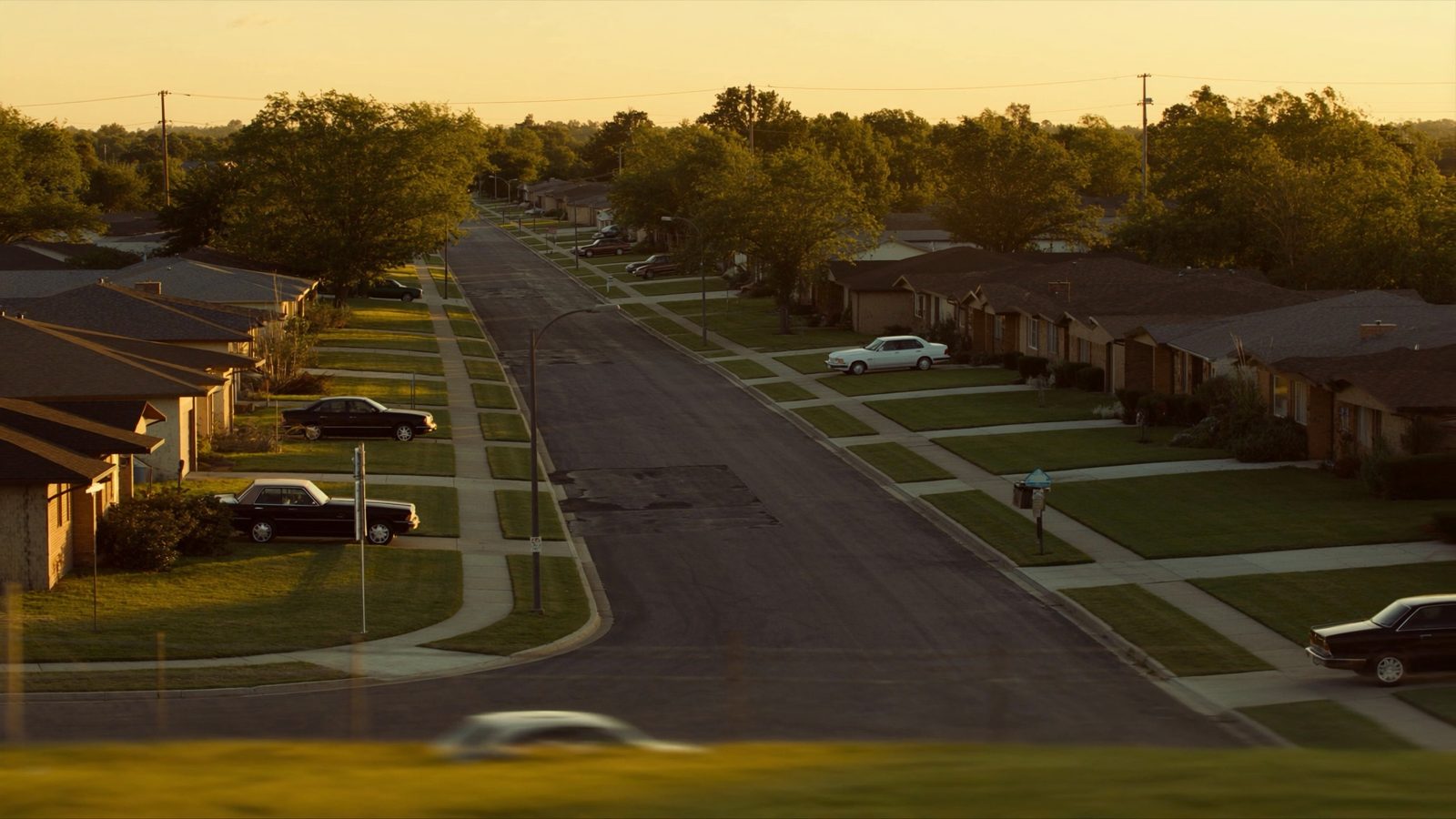
In many investor-friendly markets, a $249,000 median home value would get you a small condo or a dated townhouse. In Oklahoma City, that number represents solid three-bedroom, two-bathroom single-family homes in established neighborhoods.
For investors operating in the $150,000 to $200,000 range, the options get even more interesting. You can find properties that rent for $1,200 to $1,500 per month with purchase prices that generate immediate positive cash flow.
Consider a basic scenario: a $180,000 acquisition renting at $1,400 per month. Even with 25% down and a 7% mortgage, your monthly payment (principal, interest, taxes, insurance) runs roughly $1,050 to $1,100. That leaves $300 to $350 in monthly cash flow before maintenance and management - a healthy margin that many coastal or Sun Belt markets can't match at any price point.
The Tinker AFB and Energy Sector Factor
Oklahoma City's economic base gets overlooked in national investor conversations, but it's more stable than many people assume.
Tinker Air Force Base is the largest single-site employer in Oklahoma, supporting roughly 26,000 jobs. Military and defense-adjacent employment creates consistent rental demand - service members and contractors need housing, and they rent at reliable rates.
The energy sector adds cyclical opportunity. When oil and gas activity picks up, OKC sees population inflows and increased housing demand. When it slows, the diversification from healthcare (Integris, OU Health), education (OU, OSU-OKC), and technology (Paycom is headquartered here) prevents the kind of dramatic downturns that purely energy-dependent cities experience.
Aging Housing Stock Creates Off-Market Opportunity
Roughly 33% of homes in Oklahoma City were built before 1970. Older homes mean more deferred maintenance, more estate sales, more properties where the original owners have passed away and heirs want to liquidate quickly. These are exactly the types of properties that create off-market opportunities for investors who know how to source and underwrite deals.
In neighborhoods around NW 23rd Street, Capitol Hill, and parts of Midwest City, you can find homes that need $20,000 to $40,000 in rehab but have after-repair values of $160,000 to $200,000. The spread on those deals is wider than what you'll find in most investor-crowded markets.
Where to Find Off-Market Deals in Oklahoma City
The best investment properties in OKC rarely show up on Zillow or Realtor.com.
- Local wholesalers: OKC has a growing but not oversaturated wholesale community. Building relationships with two or three active wholesalers can provide a steady pipeline of deals.
- Estate and probate sales: Oklahoma County and Cleveland County probate filings are public record. Heirs selling inherited properties are often motivated and willing to accept below-market offers for speed and certainty.
- Driving for dollars: OKC's suburban sprawl means there are pockets of distressed or vacant properties that don't show up in online listings. Physical canvassing in target neighborhoods remains effective.
- Direct mail to absentee owners: OKC's vacancy rate of 9.1% means there are thousands of absentee-owned properties. Many of these owners live out of state and would prefer to sell.
- The Home Pros Marketplace: We list off-market investment opportunities sourced directly from homeowners across the OKC metro. Properties are priced for investors with deal analytics included.
Risks to Underwrite Before Buying in OKC
No market is without risk. Watch for these when investing in Oklahoma City:
- Tornado and severe weather: Oklahoma is tornado country. Insurance costs reflect that reality. Factor in higher premiums and the possibility of storm damage.
- Foundation and soil issues: Oklahoma's red clay soil can cause foundation movement. Always get a foundation inspection, and budget for potential repairs on older properties.
- Property tax reassessments: Oklahoma County has been updating property valuations, which can increase tax bills on recently purchased properties.
- Neighborhood-level variation: Not all OKC neighborhoods are appreciating equally. Areas near downtown are gentrifying and commanding premium rents. Outlying areas may see slower appreciation.
- Tenant screening: As with any affordable market, screen tenants carefully. Income verification and background checks are essential.
How OKC Compares to Other Home Pros Markets
- Entry price: OKC at $249K is the most affordable. San Antonio is next at $262K. Charlotte tops the list at $452K.
- Quarterly appreciation: OKC at 9.50% annualized leads the pack. San Antonio follows at 9.84%. Dallas and Houston are negative.
- SFR percentage: OKC at 67.6% is far ahead. San Antonio is next at 59.2%. Houston and Dallas are around 42%.
- Vacancy rate: OKC at 9.1% is slightly better than Houston (10.4%) and Dallas (9.7%). Charlotte is the tightest at 7.6%.
- Average rent: OKC at $1,577 is the lowest absolute number, but relative to purchase price, it provides among the best rent-to-price ratios in the portfolio.
Frequently Asked Questions
Is Oklahoma City a good place to invest in real estate in 2026?
Yes. OKC offers some of the strongest fundamentals for real estate investors right now: $249K median home value, 9.50% annualized quarterly appreciation, 67.6% SFR concentration, and limited institutional competition. It's an affordable market with accelerating growth.
What kind of rental income can I expect in OKC?
Average market rent in Oklahoma City is $1,577 per month. Properties in the $150K-$200K range typically rent for $1,200-$1,500. Higher-end SFRs in established neighborhoods can command $1,600-$1,800.
How does OKC compare to Dallas or Houston for investors?
OKC is significantly more affordable ($249K vs $375K for Dallas, $283K for Houston) and currently appreciating faster. Dallas and Houston both have negative quarterly appreciation. OKC also has less institutional competition.
Are there risks to investing in Oklahoma City real estate?
The main risks are severe weather (tornado insurance costs), soil-related foundation issues, and property tax reassessments. These are manageable with proper due diligence and budgeting.
Where can I find off-market investment properties in OKC?
The Home Pros Marketplace lists off-market opportunities sourced directly from sellers across the OKC metro. You can also build relationships with local wholesalers, monitor probate filings in Oklahoma and Cleveland counties, and target absentee owners through direct outreach.
What neighborhoods in OKC are best for rental investors?
Areas near Tinker AFB (Midwest City, Del City) provide stable rental demand from military personnel. Gentrifying neighborhoods (Automobile Alley, Paseo, Plaza District) offer appreciation upside. Established suburban areas in Edmond and Norman provide family-friendly rentals with low turnover.
Get Access to Off-Market OKC Deals
Home Pros sources off-market properties directly from homeowners across the Oklahoma City metro area, including Oklahoma, Cleveland, Canadian, Tulsa, Rogers, and Creek counties. Every listing includes deal analytics so you can underwrite quickly.
Looking for off-market investment properties in Oklahoma City?