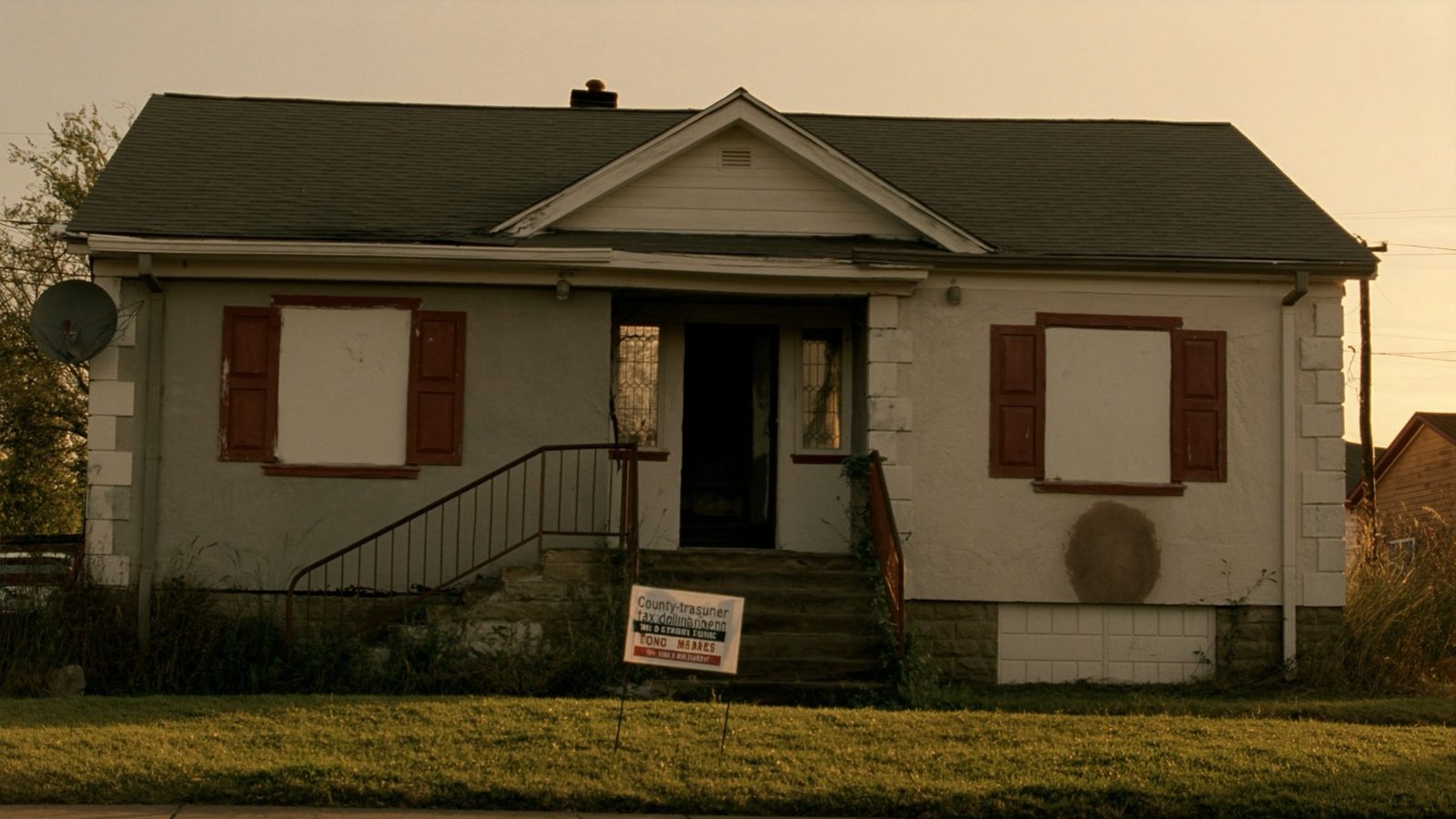
Cuyahoga County tax delinquent properties are real estate with unpaid property taxes that counties can auction or sell via tax-lien certificates under Ohio Revised Code §5721. Investors source them through the Cuyahoga County Sheriff's Sale, the Cuyahoga Land Bank, and the annual tax-lien certificate auction. Ohio allows both lien and deed sales, making Cuyahoga County one of the most accessible tax-delinquency markets in the Midwest.
How do I find tax delinquent properties in Cuyahoga County?
The primary sources are the Cuyahoga County Sheriff's Office online auction platform, which holds sales monthly, the Cuyahoga County Fiscal Office tax delinquency list, and the Cuyahoga Land Bank acquisitions database. You can also subscribe to the Board of Revision for delinquency records or use PropStream and DealMachine to flag properties by tax status across the county.
The Cuyahoga County Sheriff's Office publishes its property list approximately 7–10 days before the monthly sale. Each property includes the parcel number, owner name, location, and appraised value. The appraised value sets the opening bid per Ohio Revised Code §2329.20. Most investors subscribe to the county's email list or check the website directly at cuyahogasheriff.org.
The Cuyahoga County Fiscal Office maintains the tax delinquency roll. Per Cuyahoga County Auditor 2025 data, approximately 6.1% of all parcels in the county carry delinquent tax status. This translates to roughly 18,000–22,000 properties countywide in any given year, though many reconcile before auction.
For off-market sourcing, investors build direct-mail campaigns targeting absentee owners in tax-delinquent neighborhoods. ParcelAccess and NEO CANDO (Northeast Ohio Community and Neighborhood Data for Organizing) provide demographic and delinquency overlays.
What is the Cuyahoga County Sheriff's Sale process?
The Cuyahoga County Sheriff's Sale follows a standardized Ohio statutory process under Ohio Revised Code §2329. Sales are held monthly on a fixed date, typically the first Tuesday. The process unfolds in six stages.
Stage 1: Notice and Publication. The Sheriff publishes a notice of sale in a county newspaper and on the Cuyahoga Sheriff's website. The notice runs for at least two weeks before the sale. Owners and junior lienholders receive formal notice by mail.
Stage 2: Property Inspection and Abstraction. Investors have 7–10 days to inspect properties, pull title abstracts, and review appraisals. Most properties are sold "as-is" with no warranties. Cuyahoga provides basic title searches but investors must hire a title company to verify liens and survey issues.
Stage 3: Online Bidding Registration. The Cuyahoga Sheriff now conducts most sales via online auction. Bidders register 24–48 hours before sale, provide proof of funds or earnest money, and bid remotely. No in-person attendance is required, though the Sheriff's office remains open for walk-up bids on legacy accounts.
Stage 4: Opening Bid and Auction. Each property opens at 2/3 of appraised value per ORC §2329.20. Minimum bid increments are typically $500. The auction runs live for 2–4 hours. The highest bidder wins the property.
Stage 5: Deposit and Award. The winning bidder must submit 10% of the bid amount as earnest money within 24 hours of award. This deposit is held by the Cuyahoga County Fiscal Office. If the bidder fails to close within 30 days, the deposit is forfeited and the property re-offered.
Stage 6: Closing and Deed Transfer. Closing occurs 25–30 days post-award. The deed is delivered, and the full purchase price is wired to the Fiscal Office. The investor receives the Sheriff's Deed, which transfers title subject to the statutory one-year redemption period under ORC §5721.37.
Total time from sale to clear title (after redemption expires) is typically 18–24 months.
How does the Cuyahoga Land Bank work for investors?
The Cuyahoga Land Bank, formally the Cuyahoga County Land Reutilization Corporation, is a county-run entity that acquires tax-delinquent and distressed properties and resells them to owner-occupants, nonprofits, and for-profit investors. Since 2009, the Land Bank has acquired 14,000+ parcels across Cuyahoga County and demolished over 9,200 vacant structures.
The Land Bank operates two primary sales channels for investors: sealed-bid sales and public auctions.
Sealed-Bid Sales. The Land Bank lists properties on its website (cuyahogalandbank.org) and accepts sealed bids for 2–3 weeks. Properties typically open at $5K–$15K depending on condition, location, and rehab scope. Investors submit bids via email or online portal. The Land Bank awards to the highest qualified bidder, prioritizing projects that create owner-occupant housing or community benefit.
Public Auctions. The Land Bank holds quarterly public auctions for bulk parcels. These auctions are open to all bidders and require 10% earnest money at signing. Winning bids often run $10K–$40K per property for single-family homes in neighborhoods like Slavic Village and Glenville.
Land Bank acquisitions carry lower carrying costs and fewer title complexities than Sheriff's Sales because the Land Bank has already reconciled many tax liens and demolition liens. However, properties often require substantial rehab. Typical budgets for Land Bank acquisitions in Cleveland neighborhoods range from $42K–$65K in materials and labor, depending on structural damage and scope.
Investors can also contact the Land Bank's acquisition team directly for off-market inventory, particularly if they're planning larger rehab projects or building a portfolio in priority neighborhoods like Collinwood or East Cleveland.
How long does Ohio tax foreclosure take?
In Ohio, the total timeline from delinquency to clear title averages 18–24 months under standard conditions. This breaks down into three phases.
Phase 1: Delinquency to Sale (6–12 months). A property becomes tax delinquent when the owner fails to pay property taxes on the January 20th due date. The County Auditor issues a delinquency notice. After 60 days of non-payment, the county begins the foreclosure process. Properties are typically added to the Sheriff's Sale list 4–8 months after initial delinquency.
Phase 2: Sheriff's Sale to Deed (30–45 days). Once a property is auctioned at a Sheriff's Sale, the winning bidder receives the Sheriff's Deed within 30–45 days of the sale. This deed is delivered subject to the statutory redemption period.
Phase 3: Redemption Period (1 year). Under Ohio Revised Code §5721.37, the property owner (and junior lienholders) have one full calendar year from the date of sale to redeem the property by paying all back taxes, costs, interest, and the redemption premium (typically 8–12% per ORC §5721.54). If no redemption occurs, the deed investor's title becomes absolute at the end of year one.
Investors who purchase tax-lien certificates face the same one-year redemption window. If the property is not redeemed, the lien holder can institute a foreclosure action against the property to obtain the deed.
Expedited timelines are rare unless the property is vacant and no redemption activity occurs, in which case title may be clear in 12–15 months.
What is the minimum bid at a Cuyahoga sheriff's sale?
Under Ohio Revised Code §2329.20, the opening bid at a Cuyahoga County Sheriff's Sale is set at two-thirds of the appraised value. This appraisal is conducted by the county for tax assessment purposes and is published in the notice of sale.
For example, if a property is appraised at $150,000, the opening bid is $100,000 (2/3 × $150K). Bidders can bid higher, and the auction proceeds competitively from that point.
If no bids are received at the opening price, the Sheriff has discretion to reduce the opening bid or accept lower offers over multiple sale dates. Some properties re-offer at 50% of appraised value if they fail to sell at the 2/3 level.
A 10% earnest-money deposit is required from the winning bidder, due within 24 hours of award. This is held by the Cuyahoga County Fiscal Office until closing. If a bidder defaults, the deposit is forfeited and the property re-offered.
Can you buy a tax lien in Cleveland, Ohio?
Yes. Ohio allows both tax-lien certificates and tax-deed sales, making Cuyahoga County accessible to multiple investor profiles.
Tax-Lien Certificates. The Cuyahoga County Fiscal Office auctions tax-lien certificates annually, typically in September or October. These certificates represent a claim against the property for unpaid taxes. The certificate holder earns the statutory redemption interest rate, which ranges from 8–12% per annum under Ohio Revised Code §5721.54, depending on the dollar amount of the lien.
Certificate investors do not take ownership; instead, they hold the lien and collect interest. If the property is not redeemed within one year (ORC §5721.37), the lien holder can file a foreclosure action and obtain the deed. Typical lien amounts in Cuyahoga range from $2,000–$15,000.
Tax-Deed Sales. After the redemption period expires (one year), the tax-deed investor holds clear title to the property, free of the original owner's interest. This is the path most institutional investors pursue because it provides immediate ownership and control.
The key distinction: a tax-lien certificate is a financial instrument (you earn interest); a tax deed is real property (you own the asset). Both are available in Cuyahoga County and can be sources of strong cash-on-cash returns or long-term rental or flip inventory.
What neighborhoods produce the best tax-delinquent deals in Cleveland?
Cuyahoga County's highest delinquency rates cluster in specific Cleveland neighborhoods, each with distinct rehab economics and exit strategies.
Slavic Village (Ward 6–8). Slavic Village has consistently high delinquency rates (8–10% of parcels) and strong flip demand. Properties are predominantly single-family, early-20th-century colonial and vernacular styles. Average purchase price from Land Bank auctions: $8K–$20K. Median ARV after rehab (Q1 2026): $155K. Typical rehab: $45K–$60K. Strong demand from owner-occupants and small investors.
Glenville (Ward 3, 4). Glenville's delinquency rate sits near 6.5% and offers smaller purchase prices and longer hold horizons for rental investors. Properties tend to be smaller SFH and some duplexes. Average Land Bank price: $5K–$15K. Median ARV: $125K. Rehab: $35K–$50K. Good cash-flow potential for rentals.
Collinwood (Ward 9). Collinwood is experiencing investment momentum and gentrification. Delinquency rate: 5.2%. Properties are mixed vintage; many are well-built colonials. Land Bank price: $10K–$30K. Median ARV: $165K. Rehab: $50K–$75K. Highest exit values but longer construction timelines.
Euclid and East Cleveland (suburbs, Cuyahoga County). These suburbs have lower delinquency rates (4–5%) but offer off-market wholesale opportunities and rental cash flow. Land Bank price: $8K–$25K. Median SFH: $135K–$145K. Rental cap rates: 6–8%. Good for buy-and-hold strategies.
Garfield Heights and West Park. Both neighborhoods offer mixed-use and multifamily opportunities. Delinquency: 5.8%. Duplexes and small multifamily units available from Land Bank and Sheriff's Sales. Purchase price: $12K–$40K. Strong rental demand and lower competition than Slavic Village.
Most active tax-delinquent investors focus on Slavic Village, Glenville, and Collinwood because they offer the tightest alignment between purchase price, rehab cost, and ARV, using the 70% rule as a guide.
How do investors price a tax-delinquent deal using the 70% rule?
The 70% rule is the standard underwriting framework for fix-and-flip investing, including tax-delinquent deals. The formula is straightforward: Maximum Offer = (ARV × 0.70) − Rehab Costs.
Here's how it applies to a Slavic Village tax-delinquent property.
Example: Slavic Village SFH.
- ARV (after rehab): $155,000 (median for Slavic Village, Q1 2026)
- 70% of ARV: $108,500
- Estimated rehab costs: $52,000 (roof, HVAC, electrical, plumbing, cosmetics)
- Maximum offer: $108,500 − $52,000 = $56,500
In this scenario, an investor should not offer more than $56,500 for the property. At a Cuyahoga Sheriff's Sale opening bid of $60,000 (assuming 2/3 appraisal), the property would exceed the 70% threshold and should be passed.
However, if the same property comes through a Land Bank sealed-bid sale at $18,000, the deal becomes compelling: $18,000 purchase + $52,000 rehab = $70,000 total invested. At an $155,000 sale, the investor captures $85,000 in profit (before transaction costs and holding time).
The 70% rule accounts for holding costs (mortgage interest, property taxes, insurance), contingency rehab ($3K–$5K buffers), and selling costs (realtor fees, closing, transfer taxes). It ensures a 20–30% net margin on invested capital.
For tax-delinquent properties specifically, investors should add $2K–$3K for title clearance and potential redemption-period title insurance. This tightens margins but is a necessary expense for deeds acquired at tax sales.
| Sourcing Channel | Process Timeline | Typical Capital Required | Typical Deal Size (Cuyahoga) |
|---|---|---|---|
| Sheriff's Sale | 30–45 days post-award | 10% deposit + full bid amount | $50K–$150K purchase |
| Cuyahoga Land Bank (sealed bid) | 60–120 days | Often $0 upfront; rehab escrow | $5K–$40K purchase |
| Tax-Lien Certificate Auction | Same-day purchase to 1-year redemption | Full lien amount + interest | $2K–$15K lien value |
| Direct Mail / Absentee Outreach | 30–90 days negotiation | Marketing cost + offer prep | Varies; often sub-market |
Frequently Asked Questions
How do I find tax delinquent properties in Cuyahoga County?
The primary sources are the Cuyahoga County Sheriff's Office online auction (holds sales monthly), the Cuyahoga County Fiscal Office tax list, and the Cuyahoga Land Bank acquisitions database. You can also subscribe to the Board of Revision for delinquency records or use PropStream and DealMachine to flag properties by tax status across Cuyahoga County.
How long does Ohio tax foreclosure take?
In Ohio, the statutory redemption window runs one year per Ohio Revised Code §5721.37. After redemption expires, the investor holds the tax deed. Sheriff's Sale typically completes 30–45 days from award date. Total timeline from delinquency to clear title is approximately 18–24 months under standard conditions.
What is the minimum bid at a Cuyahoga sheriff's sale?
Under Ohio Revised Code §2329.20, the opening bid is set at two-thirds of the appraised value. Bidders must deposit 10% of their bid at the sale. If no one bids at opening, the county may accept lower bids or hold the property for future sale.
Can you buy a tax lien in Cleveland Ohio?
Yes. Ohio allows both tax-lien certificates and tax-deed sales. Tax-lien certificates are auctioned annually; the certificate holder earns the statutory redemption interest. If the property is not redeemed within one year per ORC §5721.37, the lien holder can foreclose and receive the deed.
What's the difference between a tax deed sale and a tax lien sale in Ohio?
A tax-deed sale gives you the property itself after redemption expires; you own the property free and clear. A tax-lien certificate is a claim against the property; you earn interest (typically 8–12% in Ohio per ORC §5721.54) until redemption, then can foreclose if unredeemed.
Does the Cuyahoga Land Bank sell to individual investors?
Yes. The Cuyahoga Land Bank (Cuyahoga County Land Reutilization Corporation) sells directly to investors via sealed bid and public sale. Most acquisitions are priced $5K–$40K depending on condition and location. The Land Bank has sold 14,000+ parcels since 2009.
What is the redemption period on an Ohio tax-lien certificate?
Under Ohio Revised Code §5721.37, the statutory redemption window is one year from the date of sale. During this period, the property owner can redeem by paying all back taxes, interest, and any costs to the lien holder.

Founder of Home Pros, operator across 48 markets, closed 300+ investor transactions since 2021. Trevor writes for investors and sellers navigating cash-buyer transactions, distressed property deals, and wholesale fundamentals. More about Trevor →