Deal Breakdown: How We Bought a Distressed Duplex in Dallas County
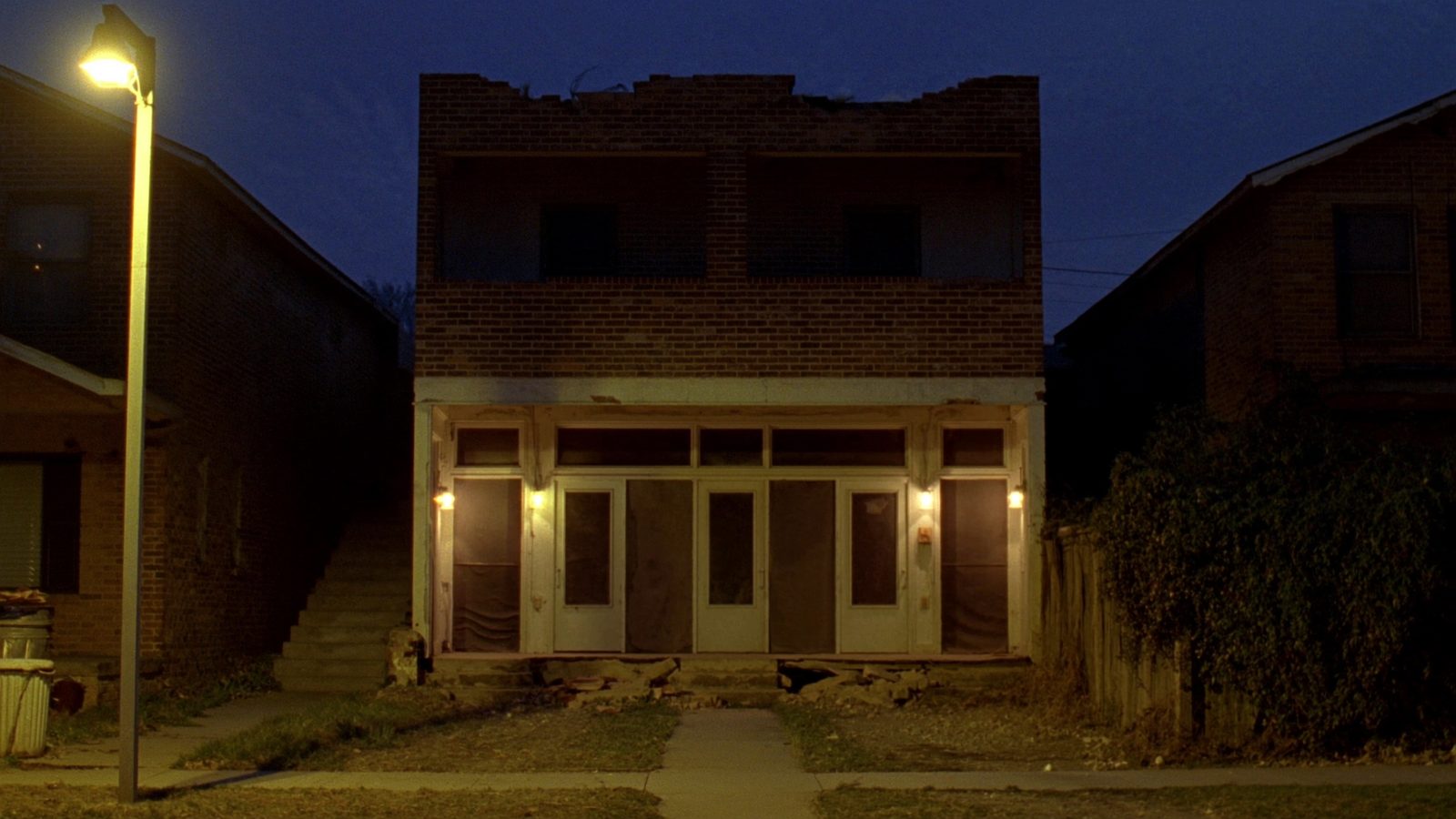
Let's walk through a real distressed property deal from acquisition to exit strategy. This case shows how the 70% rule works in practice, how we handled foundation issues, and why this property pencils out as a buy-and-hold investment.
The property: A 1998 duplex in East Dallas County. Both units occupied. Foundation settling visible. Interior cosmetic damage and deferred maintenance throughout. The seller was an out-of-state investor wanting a quick exit. This was exactly our target profile.
Property Overview
The duplex sits on a 0.25-acre lot in a neighborhood with strong rental demand. Built in 1998 on, you guessed it, expansive clay soil. Each unit is 1,100 square feet with 3 bedrooms, 1.5 baths.
At acquisition, Unit A was rented to a solid tenant at $1,350/month. Unit B had a problematic tenant paying $1,200/month with chronic late payments. The property was listed at $235,000. We had a market advantage: most retail buyers would avoid it because of foundation concerns and tenant issues.
Sourcing and Negotiation
We sourced this deal through direct mail to out-of-state landlord lists. The seller had inherited the property from a relative, was tired of tenant calls, and wanted to liquidate quickly. No realtor involved. No showings.
Direct mail worked because it reached a motivated seller without market exposure or agent pressure. The seller wasn't anchored to listing-price expectations. This is where the real opportunities live.
Negotiation took two conversations. First offer: $155,000. Seller counter: $190,000. We landed at $175,000 with 10-day closing. At that price point, every renovation pencil mark mattered. Let's see if the numbers worked.
Underwriting: The 70% Rule Analysis
Here's where we validate whether a deal actually makes sense. We follow our complete underwriting framework, start with after-repair value (ARV) and work backward.
Step 1: Calculate ARV
We researched recent sales of similar duplexes in the neighborhood in clean condition. Last six months of comparable sales:
- 3-bedroom duplex, 1,100 sq ft, sold $285,000 (excellent condition)
- 3-bedroom duplex, 1,050 sq ft, sold $278,000 (good condition)
- 3-bedroom duplex, 1,150 sq ft, sold $298,000 (new construction)
- 2-bedroom duplex, 950 sq ft, sold $245,000 (fair condition)
For a fully renovated 1,100 sq ft 3-bedroom in good condition, we estimated ARV at $280,000. Conservative, but supportable by comps.
Step 2: Estimate All Repair Costs
This is where precision matters. Realistic rehab budgeting starts with getting three bids from contractors we trust:
| Repair Category | Estimate |
|---|---|
| Foundation repair (minor settling) | $12,000 |
| Roof inspection and shingles | $4,500 |
| HVAC replacement (both units) | $6,000 |
| Plumbing repairs and updates | $3,500 |
| Electrical upgrades | $2,500 |
| Interior paint, flooring, kitchens | $18,000 |
| Drywall and minor structural | $4,000 |
| Contingency (10%) | $5,050 |
| Total Repairs | $55,550 |
We rounded to $56,000 for planning purposes. Foundation work was the biggest line item. We got a specialized foundation contractor's bid confirming the settling was minor and manageable without expensive piering.
Step 3: Calculate Holding and Financing Costs
Holding costs matter. These are the expenses while you own and renovate:
- Renovation timeline: 8 weeks
- Property taxes (8 weeks): $1,200
- Insurance: $800
- Utilities and vacancy: $600
- Permitting and inspections: $700
- Hard money financing interest (if financed): $2,000
Total holding: $5,900. We had cash, so no hard money was needed, but we factored the opportunity cost in our return analysis.
Step 4: Calculate Closing Costs and Exit
On the buy side: title, survey, attorney, inspections = $2,500.
On the exit side (if we were flipping): realtor commission (6%), closing costs = $17,000.
But we're holding, not flipping. We'll refinance and keep it. So exit costs are only the refi fees: $3,500.
Step 5: Apply the 70% Rule
For a buy-and-hold strategy, the 70% rule is adjusted. We use:
Max Purchase Price = (ARV × 0.70) - Repairs - Holding Costs - Profit Buffer
Our calculation:
- ARV: $280,000
- ARV × 70%: $196,000
- Less repairs: $196,000 - $56,000 = $140,000
- Less holding costs: $140,000 - $5,900 = $134,100
- Less profit buffer: $134,100 - $10,000 = $124,100
Our max offer should be around $124,000 to maintain a healthy margin. We paid $175,000.
Wait, that math doesn't work for a flip. But it works for a hold because the rental income generates ongoing returns. Let's look at the hold analysis.
Hold Strategy: Rental Cash Flow
We're not flipping this. We're holding for cash flow and appreciation. Here's the pro forma after renovation:
- Unit A rent: $1,450/month (upgraded, market rate)
- Unit B rent: $1,400/month (after tenant turnover and rehab)
- Total gross rent: $2,850/month
Operating expenses:
- Property taxes: $14,400/year ($1,200/month)
- Insurance: $9,600/year ($800/month)
- Maintenance reserve (8%): $2,736/year ($228/month)
- Vacancy reserve (5%): $1,710/year ($142.50/month)
Total expenses: $28,446/year ($2,370.50/month).
Net operating income: $34,200/year ($2,850 - $2,370.50 × 12 months).
If we refinance the property after repairs to $210,000 at 7.5% over 30 years, mortgage payment is roughly $1,470/month.
Cash flow before debt: $34,200/year.
Cash flow after mortgage: $34,200 - ($1,470 × 12) = $16,560/year, or $1,380/month.
Our cash invested: $175,000 purchase + $56,000 repairs + $5,900 holding = $236,900 total.
Year 1 cash-on-cash return: $16,560 / $236,900 = 6.99%, roughly 7%.
That's a solid return for a stable, managed asset. Add in rent growth (3-5% annually) and appreciation (2-3% annually in Dallas) and your total return exceeds 10% over a 5-10 year hold. That's investment-grade returns.
Execution: Timeline and Challenges
Acquisition closed in 10 days. Off-market deal, motivated seller, no contingencies from our side.
We immediately began tenant management. Unit B's problematic tenant ended their lease at month-end. We didn't renew. Unit A's tenant was solid and remained through renovations (we paid them $200/month inconvenience for noise and disruption).
Renovation took 9 weeks (one week longer than planned due to HVAC lead times). Foundation work took 2 weeks and was straightforward, minor underpinning, drainage improvement, monitoring plan. No surprises.
Refinance closed 2 weeks after completion. We pulled out $35,000 to recover some original capital and reduce our out-of-pocket carry cost.
Lessons Learned
Foundation concerns are manageable when priced correctly. We didn't avoid the property because of these Dallas foundation issues; we just priced the repair risk into our offer. The $12,000 repair estimate was reasonable and manageable.
Problem tenants aren't deal-killers for buy-and-hold. Unit B's bad tenant was a feature for us, not a bug. We could absorb the short-term vacancy and upgrade the tenant profile. A retail buyer couldn't.
Off-market sourcing wins. This deal never hit a MLS listing. We found it through direct mail to motivated sellers. That's where the real pricing is.
The 70% rule is a guideline, not gospel. Our purchase price exceeded typical 70% rule calculations because we're holding for cash flow, not flipping. Different strategies have different metrics.
Where We Are Today
It's been 18 months since acquisition. The duplex is fully occupied with solid tenants paying market rate. We're seeing steady appreciation. The cash flow covers all expenses and our mortgage with room to spare.
This is the long-term play. Not sexy short-term flips. Boring, steady cash flow and equity buildup. It's how wealth compounds.
Ready to Find Your Next Deal?
Distressed properties in Dallas County are sourced through direct connections and market intelligence. We find deals like this consistently. Let our team help you build your portfolio.
Related Resources
- The 70% Rule for Real Estate Investing
- How to Calculate After-Repair Value (ARV)
- How to Sell a House With Foundation Issues in Dallas TX