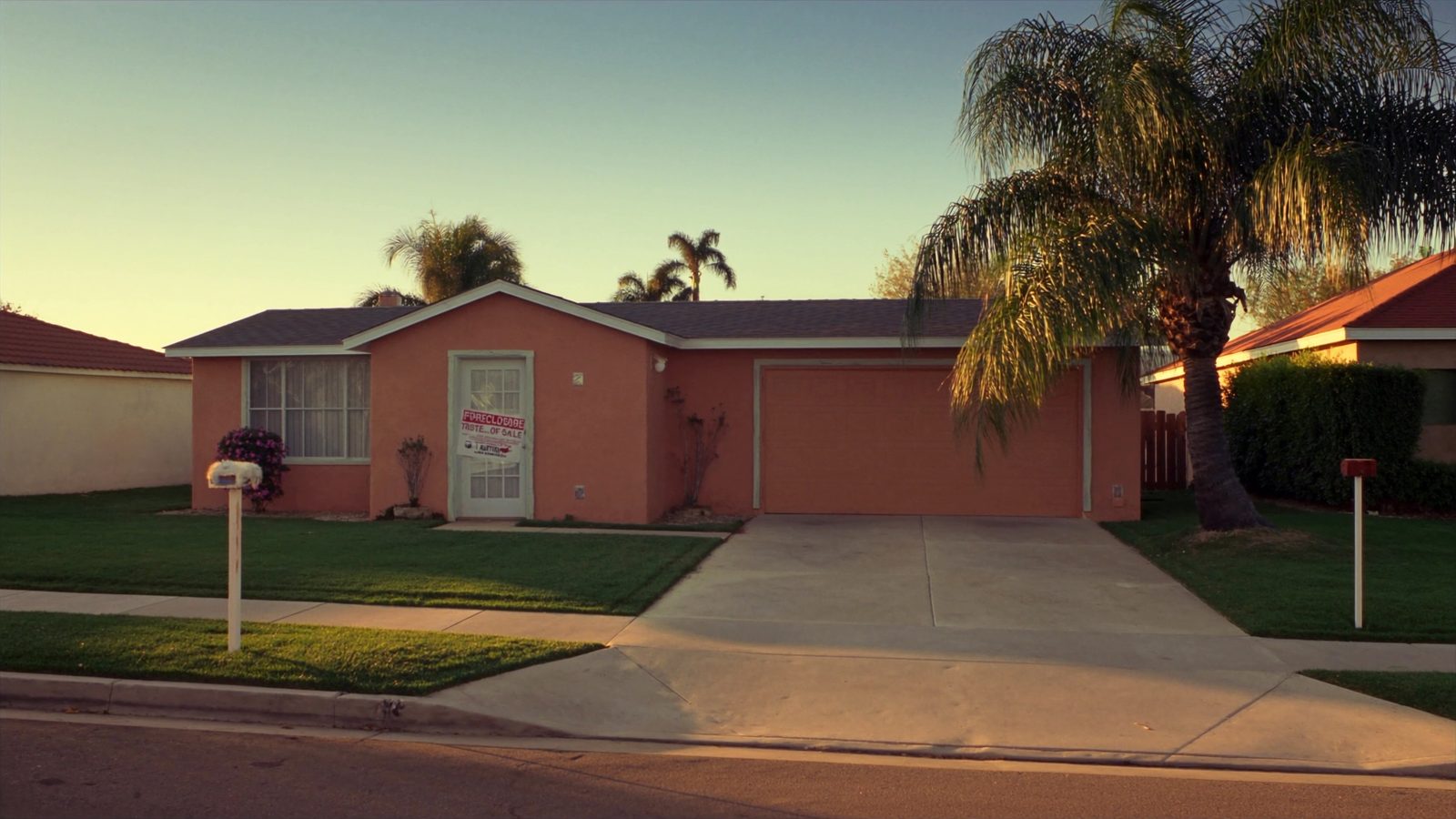
San Antonio has always been one of the most investor-friendly cities in Texas. But in early 2026, the foreclosure opportunity is picking up in a way that hasn't happened since the post-pandemic correction. Homes are sitting on the market for 98 days on average - the longest among all major Texas metros. Sales volume dropped 12.4% from last year. And the median sale price sits at $260,000, well below the national median of $429,226.
For investors focused on distressed acquisitions, foreclosure properties in Bexar County represent some of the best value plays in the Sun Belt.
Why Foreclosures Are Increasing in San Antonio
Rising carrying costs. Property taxes in Bexar County went up, insurance premiums rose statewide, and mortgage rates are elevated. Homeowners who bought at the 2021-2022 peak with thin margins are getting squeezed.
Extended time on market. At 98 days average, homeowners who need to sell are waiting over three months. For someone already behind on payments, that timeline is impossible.
Military-connected relocations. San Antonio has one of the largest military populations in the country - Joint Base San Antonio, Lackland, Randolph, and Fort Sam Houston. PCS orders don't wait for your house to sell.
Slower appreciation. While prices are up 4.2%, that growth rate is decelerating. Homeowners counting on rapid appreciation to bail them out are finding it's not happening fast enough.
Spring traditionally brings a spike in foreclosure activity through the Texas court system as banks process delinquencies from the previous year.
Types of Foreclosure Properties in San Antonio
Pre-foreclosure. The homeowner has received a notice of default but hasn't lost the property. Often the best opportunity - you negotiate directly with the seller at a significant discount while helping them avoid the credit damage. Home Pros works with many pre-foreclosure sellers in San Antonio.
Auction (trustee sale). Texas conducts non-judicial foreclosure auctions on the first Tuesday of every month at the Bexar County courthouse steps. Cash-only, no inspections, no title insurance at the time of sale.
REO (real estate owned). After a property doesn't sell at auction, the bank takes ownership. Typically the safest foreclosure purchase - you can inspect, get title insurance, and use financing. Prices are usually higher than auction.
Government-owned foreclosures. HUD homes, VA foreclosures, and Fannie Mae/Freddie Mac properties follow specific buying processes with set offer periods.
Where to Find Foreclosure Properties in Bexar County
- Bexar County courthouse - first-Tuesday-of-the-month auctions
- HUD homestore (hudhomestore.gov) - HUD-owned properties with bidding process
- HomePath.com / HomeSteps.com - Fannie Mae and Freddie Mac foreclosures
- Home Pros Marketplace - pre-sourced distressed properties with repair estimates
- MLS - search "bank owned," "REO," "foreclosure," and "as-is"
- Driving for dollars - San Antonio's Eastside, Southside, and Westside have visible vacant/distressed properties
San Antonio Neighborhoods With the Most Foreclosure Activity
South San Antonio (78211, 78221, 78224)
Older homes, lower price points ($120,000-$180,000), and higher delinquency rates. Strong rental demand from working families. Properties typically need $15,000-$30,000 in renovation but rent for $1,100-$1,400.
Eastside San Antonio (78202, 78203, 78208)
Historically underserved area with increasing investor interest. Prices are low ($80,000-$160,000) and the proximity to downtown creates long-term appreciation potential. Gentrification is early but real.
West San Antonio / Westside (78207, 78228)
Mixed residential and commercial areas with older housing stock. Prices range $100,000-$180,000. Several community revitalization projects are underway.
Far Northwest (78249, 78250)
Not the cheapest ($200,000-$280,000) but newer construction with families who got overextended. Less renovation needed, stronger school districts, higher-quality tenants. Foreclosures here are less common but in better condition.
Converse / Live Oak / Universal City (78109, 78148, 78233)
Military suburb communities near Randolph and Fort Sam. PCS-related sales and foreclosures happen regularly. Properties range $180,000-$250,000 and rent to military families at $1,300-$1,600.
How to Evaluate a San Antonio Foreclosure Property
Title search. Foreclosure properties can have liens, back taxes, and title issues. Always get a title search. Bexar County tax records are searchable at bcad.org.
Property inspection. San Antonio homes commonly have foundation issues (expansive clay soil), plumbing problems (cast iron pipes), and roofing damage (hail). Budget $400-$600 for a professional inspection.
Repair estimates. Get at least two contractor bids. Common rehab items: foundation repair ($5,000-$15,000), roof replacement ($8,000-$15,000), HVAC ($5,000-$8,000), plumbing repipe ($4,000-$8,000).
Flood and environmental checks. Certain areas along San Pedro Creek, Salado Creek, and the Medina River carry flood designations. Check FEMA maps.
Comparable sales analysis. Pull recent sales (last 90 days). San Antonio's $148/sqft is a benchmark, but varies enormously by zip code.
The Numbers: A San Antonio Foreclosure Investment Example
3-bed/1-bath in South San Antonio (78211):
- Purchase (auction or pre-foreclosure): $110,000
- Renovation: $25,000
- Total investment: $135,000
- After-repair value: $175,000
- Monthly rent (post-renovation): $1,300 - Annual gross: $15,600
Annual expenses:
- Property taxes: $3,100
- Insurance: $1,400
- Maintenance: $1,500
- Vacancy (8%): $1,248
- Property management (10%): $1,560
- Total expenses: $8,808
Net operating income: $6,792 | Cap rate: 5.0% | Equity captured: $40,000 | Cash-on-cash (financed 75% at 7%): approximately 12-15%
San Antonio's cost of living runs about 9% below the national average, supporting strong rental demand. At $148/sqft - well below Houston ($174) or Dallas ($232) - there's a genuine price advantage. Top inbound migration markets: Salt Lake City, Los Angeles, Seattle, Orlando, and Dallas.
Frequently Asked Questions
When are foreclosure auctions held in Bexar County?
The first Tuesday of every month at the Bexar County courthouse. Bidders need certified funds and should review the published list at least 2 weeks in advance.
Can I finance a foreclosure purchase in San Antonio?
Auction purchases require cash or certified funds. REO properties, HUD homes, and pre-foreclosure purchases can often be financed with conventional or hard money loans. Hard money lenders in San Antonio typically offer 70-80% of ARV at 10-14% interest for short-term rehab loans.
How much do foreclosures sell below market value in San Antonio?
Pre-foreclosure: typically 15-30% below market. Auction: 20-40% below, but with more risk. REO: usually 10-20% below, reflecting the bank's desire to liquidate while recovering reasonable value.
What's the biggest risk of buying foreclosures in San Antonio?
Title issues and hidden property damage. Auction properties are especially risky because you can't inspect before buying. Foundation problems, plumbing failures, and mold can add $20,000-$40,000 in unexpected costs. Always budget a contingency.
Is San Antonio a good market for BRRRR investors?
Excellent. The combination of low entry prices, strong rental demand (military and migration), and room for forced appreciation through renovation makes San Antonio one of the top BRRRR markets in the South.
Where should first-time foreclosure investors start in San Antonio?
REO properties in South San Antonio or the military suburbs (Converse, Live Oak) are the safest entry point. You get title insurance, can inspect, and can finance. Save auction buying for after you have a few deals under your belt.
Getting Started With San Antonio Foreclosure Investing
San Antonio's combination of affordability, military-driven rental demand, migration inflows from expensive coastal markets, and increasing foreclosure activity creates a genuine window for disciplined investors.
The key word is disciplined. Foreclosure investing isn't passive income - it requires due diligence, accurate renovation budgets, and a clear exit strategy (rent, flip, or BRRRR).