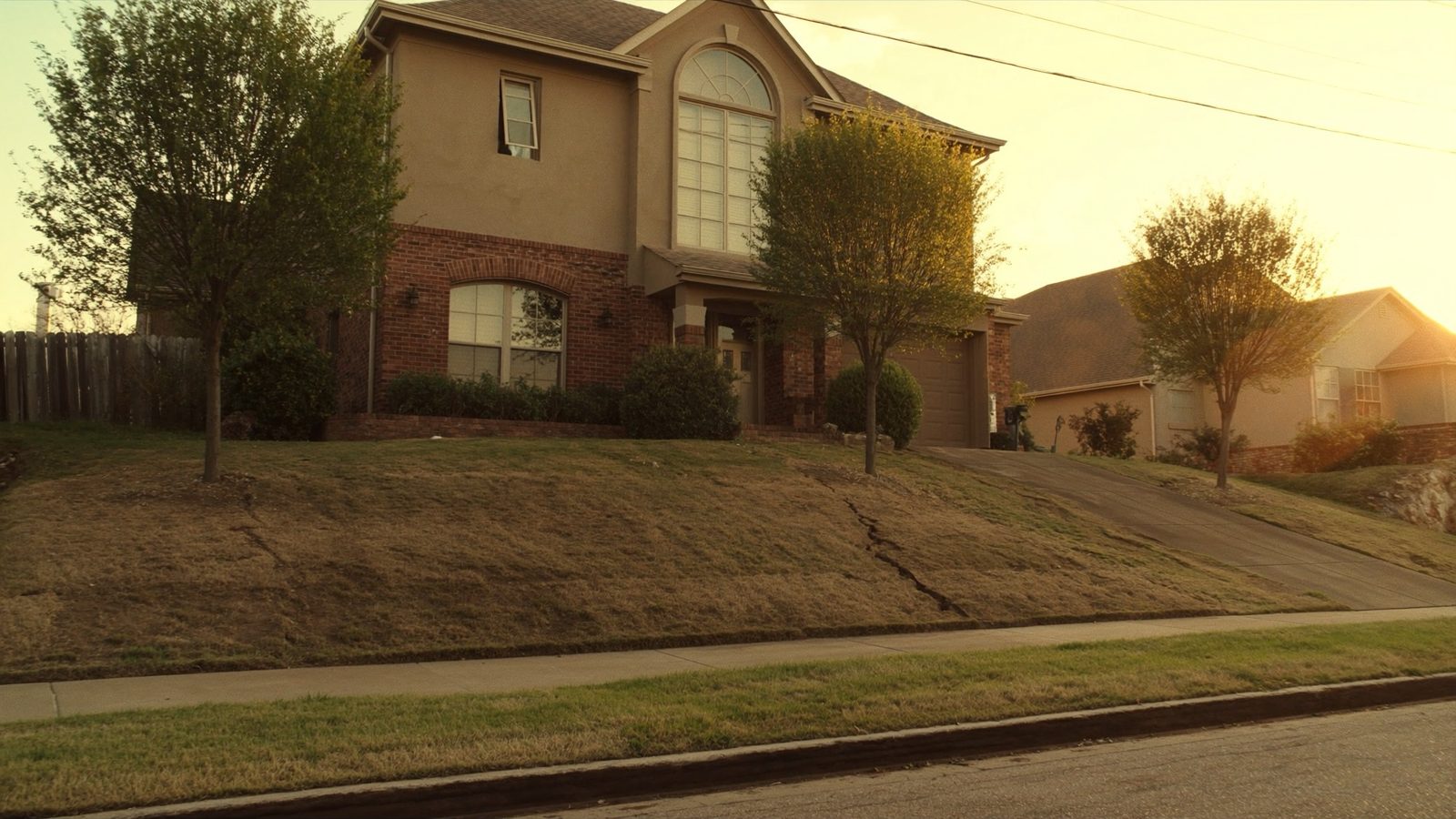
You bought your Dallas home as a long-term investment, but those cracks in the drywall keep getting wider. The door frame doesn't close straight anymore. Maybe a foundation inspector already confirmed the problem, and you got a repair estimate that made your stomach drop. Now you're wondering: Do I fix this? Can I even sell it? Will anyone buy it?
Here's what you need to know: thousands of Dallas homeowners face this exact situation every year. The expansive clay soil in North Texas makes foundation problems almost inevitable for homes built on slab-on-grade construction. And yes, you can sell your home with foundation issues. But the way you approach it will make a massive difference in how fast you close and what you actually walk away with.
Why Dallas Has a Foundation Problem in the First Place
The Dallas-Fort Worth metroplex sits on some of the most expansive clay soil in the country. This clay has a simple but relentless behavior: it swells when it's wet and shrinks when it's dry. For homes built on shallow slab-on-grade foundations (which accounts for roughly 80% of residential construction in North Texas), this constant expansion and contraction creates enormous pressure on the slab and the supporting soil beneath it.
The seasonal cycles in Dallas make it worse. Summer heat dries the soil and creates contraction, while spring rains cause swelling. This isn't a one-time settlement issue - it's an ongoing stress that never fully stops. Over 10, 20, or 30 years, the cumulative movement adds up to visible damage: cracks, settling, doors and windows that bind, and sloping floors.
The really interesting part? This isn't a defect. It's just geology. Builders understand it, foundation companies understand it, and experienced buyers understand it. If you own a Dallas home, you're not alone in dealing with this problem. It's one of the most common property condition issues in the entire DFW metro, which means there's actually a functioning market for buying and selling these properties.
Dallas Market Conditions Make Foundation Issues More Costly Than Ever
What makes your situation urgent right now is the Dallas real estate market itself. According to Redfin data from February 2026, Dallas prices are down 1.7% year-over-year - rare for a traditionally appreciating market. The median home price sits around $410,000, and price per square foot is dropping at -3.3% annually.
Even more telling: days on market have climbed from 56 to 75 days (+34%), and one out of every four homes is taking a price cut. That's a dramatic shift. Homes with foundation issues? They're sitting even longer than 75 days, often 120+ days for traditional retail sales.
What this means for you: waiting for the market to recover or hoping the foundation will stabilize on its own isn't a viable strategy. Prices aren't appreciating right now. Foundations don't improve with time. The only thing that increases is your repair costs and the risk that the eventual buyer's lender will require expensive remediation before closing.
What Foundation Damage Looks Like to Different Buyers
Not all foundation problems are equal, and different types of damage scare off different buyers. It helps to understand where your home sits on the severity spectrum.
Minor cosmetic cracking: Fine hairline cracks in drywall near corners, small separations around baseboards and door frames, or minor stucco cracking on the brick exterior. Most traditional buyers will overlook these, and they're often just cosmetic. Repair cost estimate: $500–$2,000.
Moderate settling: Doors and windows that don't close smoothly, visible gaps where walls meet ceilings, noticeable cracking in the brick pattern. This tells you the slab has moved or is still moving. Repair cost estimate: $6,000–$15,000 (typically pier-and-beam work).
Active structural movement: Large diagonal cracks across multiple walls, floors that visibly slope, cracks in the foundation itself that are wider than 1/4 inch, or plumbing problems caused by slab shift. These homes need serious repair work and often require ongoing monitoring. Repair cost estimate: $18,000–$35,000.
For someone buying with cash, these categories are no mystery. They've already factored in the repair costs, the timeline, and the eventual property value after remediation. What matters to them is accuracy. Being upfront about the severity of your foundation issues actually speeds up the offer process because there are fewer surprises at inspection.
Your Three Realistic Selling Paths
Path 1: Repair First, Then List Traditionally
You hire a licensed foundation company, get the work done (usually 2–4 weeks), and list on the MLS with documentation. A properly repaired foundation with warranty doesn't significantly impact buyer interest on traditional sales.
The catch: this costs $8,000–$25,000 out of pocket before you even list the house. In Dallas's current market, where median prices are already declining, that repair investment might not pay off in a higher sale price. Plus, you're tying up capital and time while foundation contractors juggle their schedules.
Path 2: List As-Is on the MLS
You disclose the foundation issues on the Texas Seller's Disclosure Notice (required by law) and hope to find a buyer who either doesn't care or has cash. In practice, this rarely works well. Most traditional buyers rely on mortgage approval, and lenders won't fund a home with active structural problems without repairs first.
The result: longer time on market, fewer qualified buyers, and lower offers when you do get interest. With Dallas already at 75 days average DOM, a foundation-damaged home could sit 120+ days. That's three additional months of carrying costs, property taxes, and stress.
Path 3: Sell Directly to a Cash Buyer
You get a cash offer that accounts for the foundation condition, no contingencies, and a closing timeline you control. You close in 10–21 days without lender approval or appraisal requirements.
You'll sell below full market value (typically 60–75% of what the home would fetch in perfect condition). But when you subtract the cost of repairs, real estate commissions (3–6%), and months of carrying costs, the net comparison often narrows considerably. And the certainty alone - knowing you'll close, no surprises, no months of waiting - has real value when market conditions are softening.
The Dallas Market Math: Cash Sale Versus Repairing and Listing
Let's work through a realistic example. Assume you own a Dallas home worth $400,000 in good condition. You discover moderate foundation issues requiring an estimated $12,000 repair.
Option A: Repair + List Traditionally
- Foundation repair: $12,000
- Time until sale: 75–120 days (Dallas average, likely higher for disclosed repairs)
- Carrying costs (property tax, insurance, maintenance): ~$3,000–$4,000
- Real estate commission (6% on $400K): $24,000
- Closing costs and inspections: ~$3,000
- Total out of pocket: ~$43,000–$44,000
- Net proceeds: ~$356,000–$357,000
Option B: Direct Cash Sale
- Cash offer (assuming 70% of market): $280,000
- No repair costs, no carrying costs, no commission
- Closing timeline: 10–21 days
- Minimal closing costs: ~$500–$1,000
- Net proceeds: ~$279,000–$279,500
At first glance, Option A looks better ($356K vs. $279K). But the reality is more nuanced. Option A assumes everything goes smoothly: the repair estimate is accurate, the house sells at full market value despite disclosed foundation work, and it sells in 75 days (optimistic for a home with disclosed issues). Any slippage - a repair that runs longer, a buyer who walks after inspection, market softness in your neighborhood - eats into those proceeds quickly.
Option B is guaranteed. You know your net before you sign anything. No surprises. No waiting. No "what if the repair takes longer than expected" or "what if the buyer's lender requests additional structural certification."
In Dallas's current market conditions, where prices are declining and DOM is rising, that certainty has real economic value.
How the Cash Sale Process Works
If you decide a direct sale makes sense, here's what to expect:
Step 1: Initial inquiry. You reach out with basic property info and describe the foundation condition. Honest detail helps speed up the evaluation - foundation companies' repair estimates and inspection reports are gold.
Step 2: Property walk-through. The buyer (or their representative) visits to assess the foundation damage, check overall property condition, and verify repair estimates. You don't have to repair or clean up; the property is evaluated as-is.
Step 3: Cash offer. You receive a no-obligation offer that's valid for a specified period (typically 5–7 days). The offer accounts for repair costs and the current market. No appraisal contingencies, no inspection surprises.
Step 4: Title work. If you accept, the buyer's title company handles title search and any necessary lien clearances. This is typically completed within 7–10 days.
Step 5: Closing. You pick the closing date (usually 10–21 days after acceptance). You sign docs, get paid, and your house transfers. Done.
Why Timing Matters in Dallas Right Now
Dallas prices are declining - a rare situation for the DFW market. The longer you hold a home with foundation issues while prices soften, the worse the math gets. Foundation damage doesn't age well. It doesn't repair itself. And the longer you wait, the more expensive the eventual fix becomes.
If you've been holding off on dealing with foundation problems because you were hoping the market would improve, the current numbers suggest you shouldn't count on that. Redfin's latest data shows declining median prices, rising DOM, and increasing price cuts. That's not a market that rewards waiting.
North Texas Foundation Issues and Home Pros
Home Pros specializes in buying homes in any condition in the Dallas-Fort Worth area, including homes with foundation problems. We understand North Texas clay soil. We know what repairs cost. We don't require you to fix anything, and we don't change our offer after inspection.
If you have a Dallas home with foundation issues and you want a fast, certain sale without the hassle of repairs or waiting, get a no-obligation cash offer from Home Pros. We'll evaluate the foundation damage, give you a straight number, and you decide if it makes sense.
Foundation Problems Don't Have to Wait
Dallas prices are declining and homes are sitting longer. Get a no-obligation cash offer and close on your timeline - no repairs required.
See If Home Pros Can Buy Your HouseFrequently Asked Questions
Are foundation problems common in Dallas homes?
Very common. North Texas has expansive clay soil that expands when wet and contracts when dry. This creates foundation stress in most slab-on-grade homes. It's one of the most common property condition issues in the DFW metro, which means thousands of Dallas homeowners deal with this annually.
How much does foundation damage cost to repair in Dallas?
Most Dallas foundation repairs run between $5,000 and $18,000 for standard pier-and-beam work. Severe cases with structural shifting can exceed $25,000. The expansive clay in North Texas often makes repairs more involved than in regions with different soil composition.
Can I sell a house with foundation problems in Dallas?
Yes, absolutely. Texas law doesn't require repairs before sale - only disclosure of known issues. Cash buyers actively purchase foundation-damaged homes in Dallas because they understand the economics of repair and the potential property value after remediation.
How much will foundation issues reduce my home's value in Dallas?
With Dallas prices already down 1.7% year-over-year and one in four homes taking cuts, foundation problems now overlap with broader market softness. Direct cash sales typically net 60–75% of what a home would fetch in good condition - but after factoring in repair costs and commission, the difference often narrows considerably.
Why should I sell now instead of repairing and waiting?
Dallas market conditions favor quick action right now. Prices are declining at -1.7% annually, days on market are up 34% to 75 days, and foundation-damaged homes sit even longer. Repairing now is expensive and time-consuming, and the eventual retail sale might fetch less than today's cash offer. The certainty eliminates the risk.
How long does a cash sale take with foundation issues?
Cash buyers typically close in 10–21 days. Traditional sales with foundation issues often take 120+ days if lenders require repairs or appraisals fail. Given Dallas's current 75-day average, selling to a cash buyer removes the uncertainty and months of waiting.