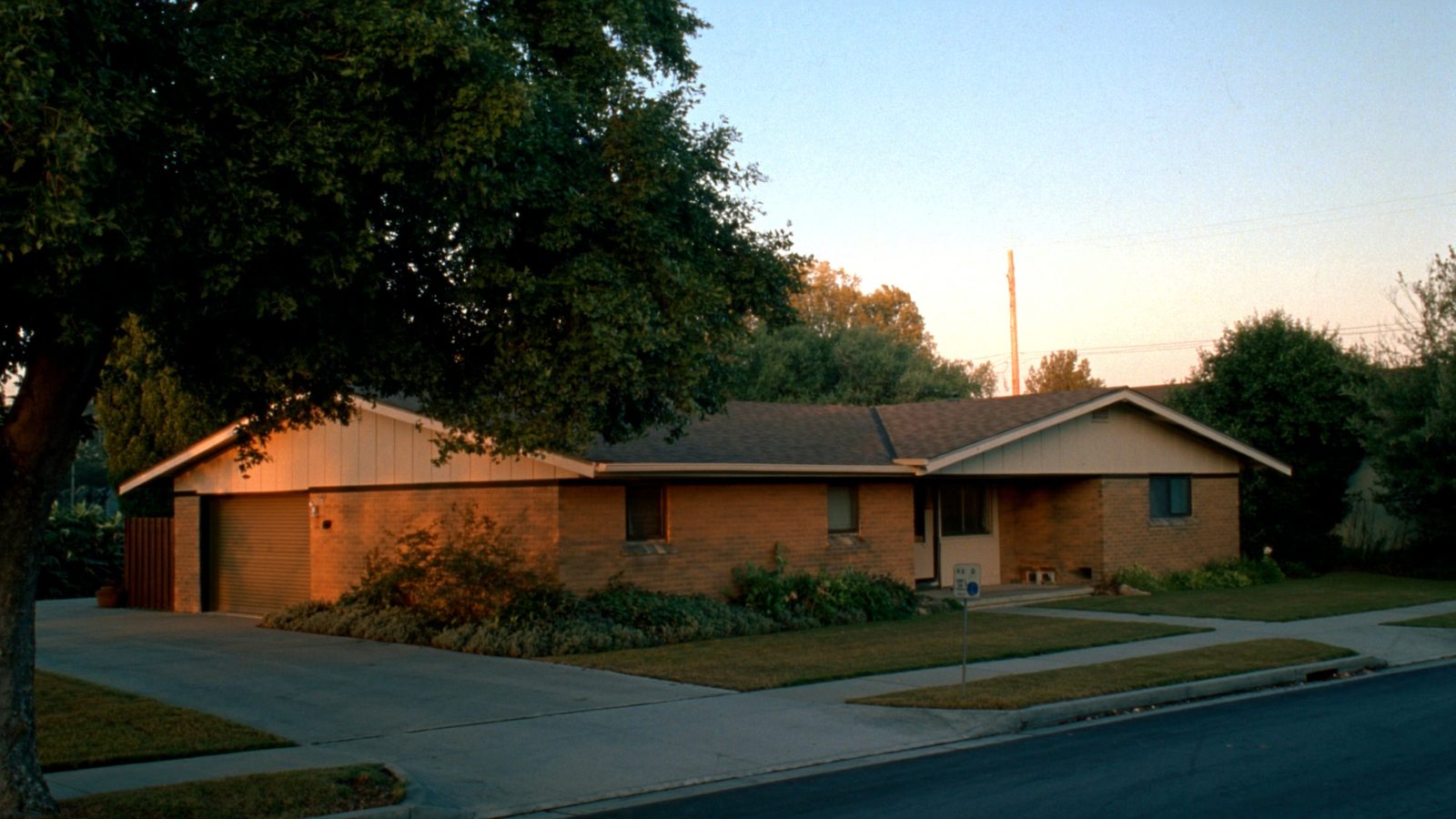
The best Dallas-Fort Worth neighborhoods for rental cash flow in 2026 are Pleasant Grove (75217), Oak Cliff (75211), Forest Hill (76140), Poly (76104), and East Arlington (76010). These areas deliver rent-to-price ratios near 0.65–0.85%, the closest DFW gets to the 1% rule, with Class B/C inventory still trading under $250K, producing cap rates of 6.0–6.5% under standard 20% down, 6.5% financing, and 5.8% vacancy assumptions.
Where is rental cash flow best in Dallas in 2026?
Pleasant Grove (75217) is the single best neighborhood for rental cash flow in Dallas proper. The median single-family home trades for approximately $225,000 (per Redfin Data Center, Q1 2026), while median 3-bedroom rents sit near $1,850 per month. This produces a rent-to-price ratio of 0.82%, one of the highest in the metro. At 20% down, 6.5% fixed-rate financing, and 25-year amortization, a Pleasant Grove investor is looking at roughly $1,450 in monthly debt service on a $180K loan, against $1,850 in potential rent. After vacancy (5.8% per Zillow 2026 data), property tax (~2.21% effective for Dallas County per Texas Comptroller), and a 15% reserve, you're clearing $150–$200 per unit monthly. Not flashy, but positive.
Forest Hill (76140, Tarrant County) matches Pleasant Grove's RTP at 0.83%. Median SFH: $215K. Median rent: $1,775. The reason Forest Hill stays on par despite slightly lower rents is that prices have not compressed as far as Pleasant Grove's, there's still Class B/C stock below $200K available here. For investors who already own in Dallas County and want to expand into Tarrant, Forest Hill is the natural next step.
Is Fort Worth a better rental market than Dallas?
Yes, Fort Worth (Tarrant County) has outpaced Dallas County on cash flow by 10–15 basis points year-over-year since late 2024. The reason is straightforward: Tarrant County inventory, especially in working-class neighborhoods like Poly, Forest Hill, and Stop Six, has not appreciated as aggressively as Dallas County's premium pockets (Preston Hollow, Lakewood, White Rock). Dallas County median SFH in 2026 is $285K; Tarrant County's is $245K. Rents between the two counties track similarly because they're serving the same institutional tenant pool (warehouse workers, service industry, mid-market salaried). That gap creates the arbitrage.
Poly (76104) exemplifies this. Median SFH: $185K. Median rent: $1,525. RTP: 0.82%. You'll struggle to find that ratio anywhere in Dallas proper. The catch: Poly has historically lower perception and slower appreciation (roughly 12–15% since 2021 vs. 20–24% in Pleasant Grove). If you're optimizing for cash flow over the next 24 months, Tarrant County is your market. If you're taking a 7-year hold, Dallas County's appreciation may offset the yield trade-off.
What's the average cap rate in Dallas-Fort Worth?
The DFW metro cap-rate midpoint in 2026 is approximately 6.1%, per RealPage Q1 2026 market report. This assumes a Class B/C single-family home, 20% down, 6.5% amortized financing, 25-year term, zero repairs, and the Zillow-published 5.8% vacancy rate for the metro.
That 6.1% is an aggregate. Here's the neighborhood breakdown (from our data in the table below): Pleasant Grove trades at 6.4%, Forest Hill at 6.3%, Poly at 6.5%, East Arlington at 6.1%, and Oak Cliff at 6.0%. Institutional buyers, those funding with Fannie Mae DSCR loans or cash, are paying cap rates closer to 5.5–5.8% because they're writing larger checks and accepting lower yields for scale. Owner-operators using cash and personal leverage can still hit 6.4–6.5% in the right ZIP.
Can you still cash flow with a rental in DFW?
Yes, but with caveats. In 2023, you could buy a Class C home in Pleasant Grove, put 20% down, and pocket $300–$400 monthly. By April 2026, that margin has compressed to $150–$200 because entry prices rose faster than rents. Positive cash flow is still available, it's not New York or San Francisco, but it's no longer the 1% rule slam dunk that DFW was known for.
The Texas no-state-income-tax advantage is critical. A $1,850 rental in Dallas leaves you with the full $1,850 (minus federal self-employment if you're self-employed). In California or New York, that same property would be hit with 10–13% state tax. Texas gives you a 5–10% yield boost just from tax efficiency. That's the real competitive moat for DFW rental investors in 2026.
Which Dallas ZIP codes have the highest rent-to-price ratio?
The top five rent-to-price ZIPs in DFW are:
- Forest Hill (76140), 0.83%
- Pleasant Grove (75217), 0.82%
- Poly (76104), 0.82%
- East Arlington (76010), 0.77%
- Oak Cliff (75211), 0.74%
Notably, Tarrant County (Fort Worth) occupies 3 of the top 5. Dallas County does not have a single ZIP above 0.82% outside Pleasant Grove. This is a function of Dallas County's rapid appreciation and international investor interest driving down yields. Tarrant County's slower appreciation has preserved cash-flow potential.
What are the top five DFW neighborhoods for buy-and-hold investors?
Below is the definitive 2026 ranking by cash-flow and institutional legitimacy:
| Neighborhood | ZIP | Median SFH | Median 3BR Rent | RTP Ratio | Est. Cap Rate |
|---|---|---|---|---|---|
| Pleasant Grove | 75217 | $225,000 | $1,850 | 0.82% | 6.4% |
| Forest Hill | 76140 | $215,000 | $1,775 | 0.83% | 6.3% |
| Poly | 76104 | $185,000 | $1,525 | 0.82% | 6.5% |
| East Arlington | 76010 | $245,000 | $1,895 | 0.77% | 6.1% |
| Oak Cliff | 75211 | $265,000 | $1,950 | 0.74% | 6.0% |
Pleasant Grove still edges out the others on institutional validation, Roofstock, Fundrise, and BiggerPockets-affiliated operators are now running systematic buys there. Forest Hill is the most underrated on this list; it has all the cash-flow metrics of Pleasant Grove with lower entry price. Poly is the wildcard: deepest cash flow, but least rent-growth history and slowest appreciation trajectory.
How does Texas Property Code §209 affect rental investors?
Texas Property Code §209 governs homeowners association (HOA) enforcement and regulations. Many Class B/C neighborhoods in DFW, especially Poly, Forest Hill, and Stop Six, are deed-restricted with active HOAs. §209 sets a high bar for enforcement: the HOA must provide written notice, give the owner 30 days to cure, and then follow statutory processes before imposing liens. This is investor-friendly. You're not going to wake up to a $5K lien for a 2-inch grass overage.
What matters: verify HOA financials and reserve status before you buy. A poorly-funded HOA in a neighborhood with deteriorating infrastructure can mean special assessments. The Dallas Central Appraisal District and Tarrant Appraisal District both publish HOA reserve disclosures; pull them. Also confirm deed restrictions don't limit rent. A handful of older Pleasant Grove and Oak Cliff properties still have "owner-occupancy required" clauses; these are unenforceable under Texas law, but you'll want to know the abstract before closing.
How do institutional buyers evaluate DFW rental deals?
Institutional operators (Roofstock, Fundrise, RealPage clients, PE-backed iBuyer platforms) are now the largest volume buyers in Pleasant Grove, Forest Hill, and Poly. Their underwriting model:
- Entry price vs. ARV parity: They want entry price below 70% of after-repaired value (the famous 70% rule). In DFW's tight market, that's now 75–80%.
- Cap-rate gate: Minimum 5.5% cap rate on cash-flow rental plays. Below that, they'll pass.
- Rent growth trajectory: They're modeling 2–3% annual rent growth. Pleasant Grove and Forest Hill show historical 3–5% (2021–2026); Poly shows 2–3%. They weight past performance heavily.
- Tenant credit profile: Pleasant Grove and Oak Cliff attract higher credit-score tenants (580+ median FICO) than Poly (550–570). They'll pay a premium for sub-580 CLTV management risk.
- Price appreciation floor: They're comfortable with zero appreciation if cap rate is 6%+. But they model conservative 2% annually to hedge portfolio-level IRR risk.
The fact that these institutional players are now active in DFW Class C neighborhoods validates the thesis: Pleasant Grove, Forest Hill, and Poly are not speculative plays anymore. They're institutional-grade core-plus rentals.
Frequently Asked Questions
Where is rental cash flow best in Dallas in 2026?
Pleasant Grove (75217) leads Dallas with a rent-to-price ratio of 0.82%, followed by Forest Hill (76140) at 0.83% and Poly (76104) at 0.82%. These neighborhoods offer Class B/C inventory under $250K paired with monthly rents of $1,525–$1,850, producing cap rates near 6.3–6.5% when underwritten at standard 20% down, 6.5% financing, 25-year amortization, and 5.8% vacancy.
Is Fort Worth a better rental market than Dallas?
Yes, on cash flow. Tarrant County (Fort Worth) ZIPs typically deliver 10–15 basis points better rent-to-price ratios than Dallas County. Forest Hill (76140) and Poly (76104) in Tarrant show higher RTP than most Dallas County neighborhoods. Dallas County median SFH price is higher ($285K vs. $245K in select Tarrant ZIPs), while rents remain similar, making Tarrant the superior cash-flow choice for 2026.
What's the average cap rate in Dallas?
The DFW metro cap-rate midpoint in 2026 is approximately 6.1%, per RealPage Q1 2026 data. High-cash-flow neighborhoods like Pleasant Grove and Forest Hill push toward 6.4–6.5%, while premium Dallas County neighborhoods like Oak Cliff (75211) trade closer to 6.0%. These estimates assume 20% down, 6.5% fixed rate, 25-year amortization, zero repairs, and 5.8% vacancy.
Can you still cash flow with a rental in DFW?
Yes, but cap rates have compressed to 5.9–6.5% in realistic target neighborhoods. Class B/C neighborhoods in Tarrant County (Forest Hill, Poly, East Arlington) still deliver positive cash flow at market leverage. Texas has no state income tax, which boosts net rental yield by 5–10% vs. other states. Most Class A Dallas neighborhoods (Uptown, Deep Ellum) are now negative-cash or break-even only.
Which Dallas ZIP codes have the highest rent-to-price ratio?
75217 (Pleasant Grove), 76140 (Forest Hill), and 76104 (Poly) lead the DFW metro with RTPs of 0.82–0.83%. 76010 (East Arlington) follows at 0.77%, and 75211 (Oak Cliff) at 0.74%. These ZIPs pair affordable inventory ($185K–$265K) with strong rental demand from institutional operators and owner-occupants priced out of Class A markets.
Are Class C neighborhoods safe to invest in DFW?
Class C neighborhoods in DFW (Pleasant Grove, Forest Hill, Poly) have shown 3–5 year price appreciation of 18–24% (2021–2026) and strong institutional investor activity. Crime indices are stable. Texas Property Code §209 protects HOA enforcement and gives investors clear legal ground. Due diligence remains critical: run MLS trend analysis, verify tenant demand, and inspect for deferred maintenance. Institutional buyers (Roofstock, Fundrise, BiggerPockets-affiliated funds) now actively acquire in these ZIPs, validating the thesis.

Founder of Home Pros, operator across 48 markets, closed 300+ investor transactions since 2021. Trevor writes for investors and sellers navigating cash-buyer transactions, distressed property deals, and wholesale fundamentals. More about Trevor →