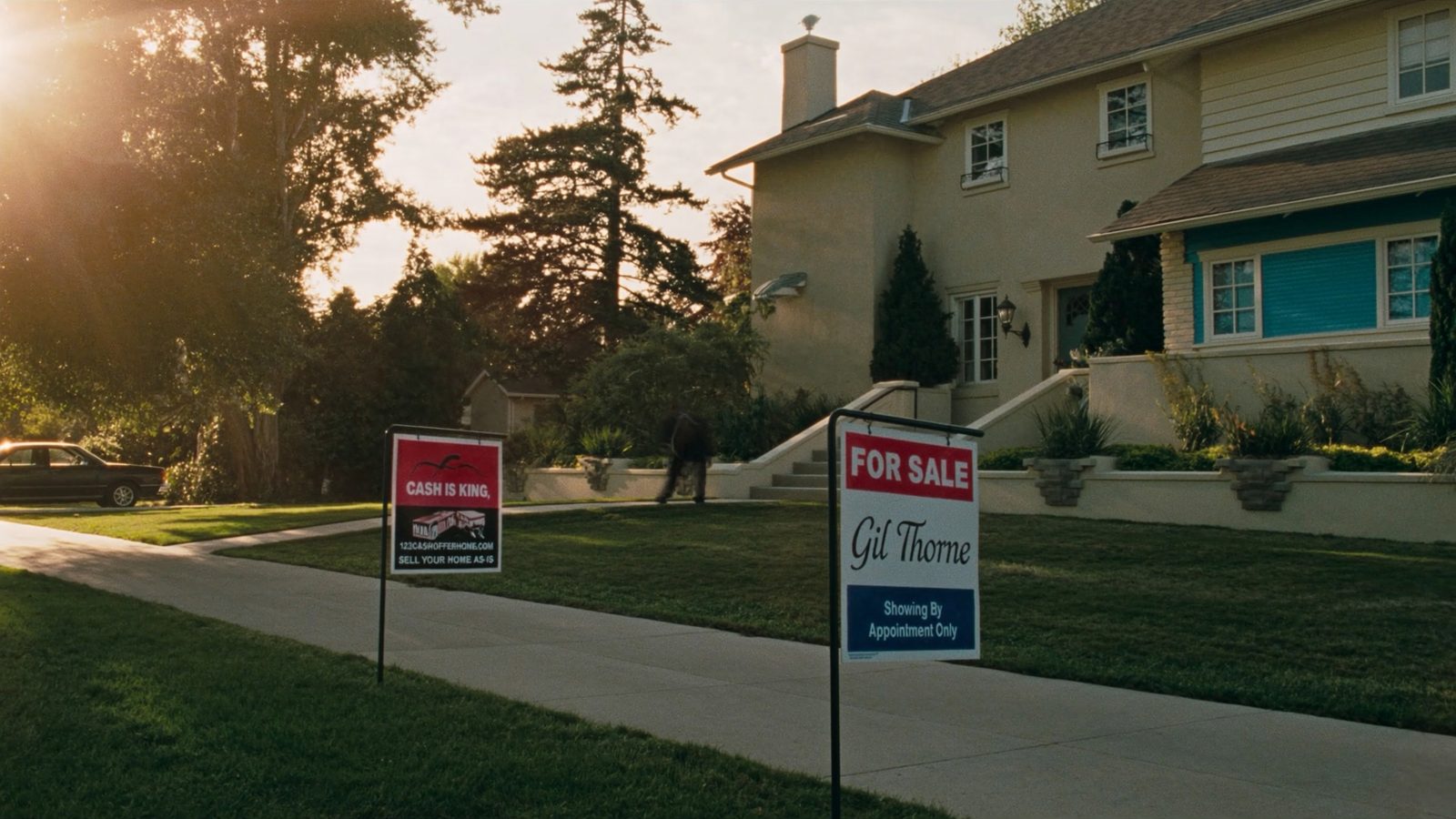
If you are considering selling your house to a cash buyer, you have probably searched this question already: do I need a real estate agent?
The short answer: no. You do not legally need a real estate agent to sell your house to a cash buyer in any U.S. State. A title company or real estate attorney handles the closing, and the transaction can proceed without agent representation on either side.
That is the honest answer. What follows is the full picture - what an agent does in a traditional sale, what happens without one in a cash sale, what you should have in place, and the tradeoffs to consider.
What a Real Estate Agent Does in a Traditional Sale
Understanding what agents do helps clarify when you actually need one and when you do not.
In a traditional listing, a seller's agent:
- Markets the property. Lists it on the MLS, schedules photography, creates listing descriptions, arranges open houses.
- Finds a buyer. Exposes the property to the broadest possible pool of buyers through syndicated listings, agent networks, and marketing.
- Negotiates the price and terms. Handles offers, counteroffers, inspection negotiations, and closing timeline discussions.
- Manages the transaction. Coordinates with the buyer's agent, lender, title company, inspector, and appraiser to move the sale to closing.
- Provides legal compliance guidance. Ensures the correct state-mandated disclosures are provided and the contract meets legal requirements.
For this work, the standard commission in most U.S. Markets is 5-6% of the sale price - split between the seller's agent and the buyer's agent. On a $250,000 sale, that is $12,500 to $15,000 in commission.
According to the National Association of Realtors, approximately 89% of home sellers use a real estate agent. That is a large majority - but it means 11% sell without one, and many of those are direct-to-buyer transactions.
What Changes in a Direct Cash Sale
When you sell directly to a cash buyer, most of the agent's traditional functions are either unnecessary or handled differently:
Marketing is not needed. You already have the buyer. The entire point of a direct cash sale is that the buyer comes to you (or you contact them). There is no need to list the property, arrange showings, or wait for offers from the open market.
Buyer sourcing is done. In a traditional sale, the agent's biggest value is finding a qualified buyer. In a direct sale, the buyer is already at the table. This is the single largest function that becomes redundant.
Negotiation is direct. You and the buyer negotiate price and terms directly. Some homeowners are comfortable with this. Others are not. If you are not comfortable negotiating directly, you can hire a real estate attorney for a flat fee (typically $500-$1,500) to review the contract and advise you - a fraction of a full agent commission.
Transaction management is handled by the title company. The title company orders the title search, prepares the closing documents, handles escrow, ensures the deed transfers correctly, and distributes funds. This is the same role the title company plays in an agent-represented transaction. The title company works for the transaction, not for either party.
Legal compliance is your responsibility. Each state has disclosure requirements for property sales. In Texas, for example, the Texas Real Estate Commission (TREC) requires sellers to provide a Seller's Disclosure Notice. This is a standard form - you fill it out honestly, and it protects both parties. You do not need an agent to complete it.
What You Should Have in Place
Selling without an agent does not mean selling without protection. Here is what every seller should have in a direct cash sale:
1. A Written Purchase Agreement
Every real estate transaction needs a written contract. In Texas, most cash buyers use a standard TREC contract form - the same form agents use. It covers purchase price, earnest money, closing date, title company, and contingencies. Read it before you sign. Ask questions about anything you do not understand.
2. A Title Company of Your Choice
You have the right to choose the title company. A reputable cash buyer will either suggest a title company or agree to use one you select. The title company is a neutral third party that protects both sides. According to HUD's guidance on real estate closings, buyers and sellers should understand who handles escrow and closing, and both parties benefit from independent title services.
3. Time to Review
No legitimate cash buyer will pressure you to sign immediately. You should have at least 24-48 hours to review any offer. Use that time to:
- Read the contract fully
- Check for any unusual clauses (inspection contingencies, financing contingencies, assignment clauses)
- Ask questions about closing costs - who pays what
- Consult an attorney if you want a professional opinion
4. Access to a Real Estate Attorney (Optional but Recommended)
For a flat fee of $500-$1,500, a real estate attorney can review the purchase agreement, explain the terms, and flag anything unusual. This is not required in Texas (Texas does not mandate attorney involvement in real estate transactions), but it is cheap insurance for peace of mind.
Contrast that with a full agent commission: $12,500-$15,000 on a $250,000 sale versus $500-$1,500 for attorney review. The cost difference is significant.
The Tradeoffs: What You Gain and What You Give Up
What You Gain by Selling Without an Agent to a Cash Buyer
No commission. The 5-6% commission is eliminated. On a $200,000 sale, that is $10,000-$12,000 that stays in your pocket.
Speed. Cash sales close in 7-14 days. Traditional agent-listed sales take 60-90+ days from listing to closing (marketing time + buyer search + inspection + lender underwriting).
Simplicity. One buyer, one negotiation, one closing. No open houses, no multiple showings, no inspection repair requests, no buyer financing falling through.
Certainty. Cash offers do not fall through because of lender denial. According to NAR data, financed transactions fail at a rate of approximately 5-6%. Cash transactions fail at a fraction of that rate.
What You Give Up
Market exposure. A traditional listing exposes your property to every buyer in the market. A direct cash sale involves one buyer. The offer you receive may be lower than what the open market would produce - though the net difference shrinks when you subtract commission, repairs, carrying costs, and closing costs from the traditional sale.
Agent expertise in negotiation. An experienced listing agent may negotiate a higher sale price than you would on your own. However, the commission paid for that service often offsets or exceeds the price improvement.
A buffer. Some homeowners simply prefer having a professional manage the process. If that describes you, hiring an agent provides peace of mind that may be worth the cost. There is no wrong answer - it depends on what you value more: speed and savings, or professional guidance throughout the process.
For a detailed mathematical comparison of agent-listed sales versus as-is cash sales, see our as-is vs repairs guide. For a complete walkthrough of the cash sale process, see what to expect when selling to a cash buyer.
Red Flags to Watch For in Any Cash Buyer
Whether you use an agent or not, know the signs of an unreliable cash buyer:
- They will not put earnest money in escrow. Legitimate buyers put money down. If they refuse, walk away.
- They pressure you to sign immediately. Real offers come with review time. Pressure is a red flag.
- They ask you to pay upfront fees. A legitimate cash buyer does not charge the seller fees to make an offer. The Consumer Financial Protection Bureau warns against any real estate transaction that requires upfront fees from the seller.
- They will not provide proof of funds. A real cash buyer can show a bank statement or letter confirming their ability to close. If they cannot or will not, they may not actually be a cash buyer.
- The contract includes unusual clauses. Assignment clauses (allowing the buyer to transfer the contract to someone else) or extended inspection periods (30+ days) can signal a wholesaler who has not actually secured a buyer yet.
The Bottom Line
You do not need a real estate agent to sell your house to a cash buyer. The transaction is legally valid, the title company handles the closing, and the process is straightforward.
What you do need: a written contract, a title company, time to review, and (optionally) a real estate attorney for a flat-fee consultation. The total cost of those protections is typically $500-$2,000 - a fraction of a full agent commission.
The decision is yours. Some homeowners want the full-service agent experience. Others want the speed, savings, and simplicity of a direct cash sale. Both are legitimate paths. The important thing is understanding what you are choosing and why.
Frequently Asked Questions
Is it legal to sell your house directly to a cash buyer without a realtor in Texas?
Yes. Texas does not require real estate agent representation for property sales. The transaction is handled through a title company, which manages escrow, title search, and closing documents. Sellers must provide the standard TREC Seller's Disclosure Notice regardless of whether an agent is involved.
What paperwork do you need to sell a house to a cash buyer without an agent?
A signed purchase agreement (TREC contract form in Texas), a completed Seller's Disclosure Notice, a valid government ID, and the property deed. The title company prepares the closing documents, deed transfer, and settlement statement.Do cash buyers charge a commission when they buy your house?
No. Cash buyers do not charge a commission. The offer price is the price - there is no additional percentage taken out for representation. This is one of the primary financial advantages of selling directly to a cash buyer versus listing with an agent.
What are the risks of selling your house without a real estate agent?
The main risks are accepting a below-market price without realizing it, missing contractual details that an experienced agent would catch, and not understanding your rights in the transaction. These risks are mitigated by having a real estate attorney review the contract ($500-$1,500 flat fee), researching your property's market value through public records and online tools, and taking time to review all documents before signing.
Can a title company handle the closing without a real estate agent involved?
Yes. Title companies handle closings for agent-represented and non-represented transactions alike. The title company's role - title search, escrow management, document preparation, and fund distribution - does not change based on whether agents are involved. The title company is a neutral party that ensures the transaction closes correctly for both buyer and seller.
Want to sell your house without the hassle of listing, showing, or paying commission? Home Pros provides full transparency - no hidden fees, no agent commissions. You are welcome to bring your own attorney. Get a no-obligation cash offer today.
Featured Image Alt Text: Homeowner reviewing a purchase agreement at a title company without a real estate agent present