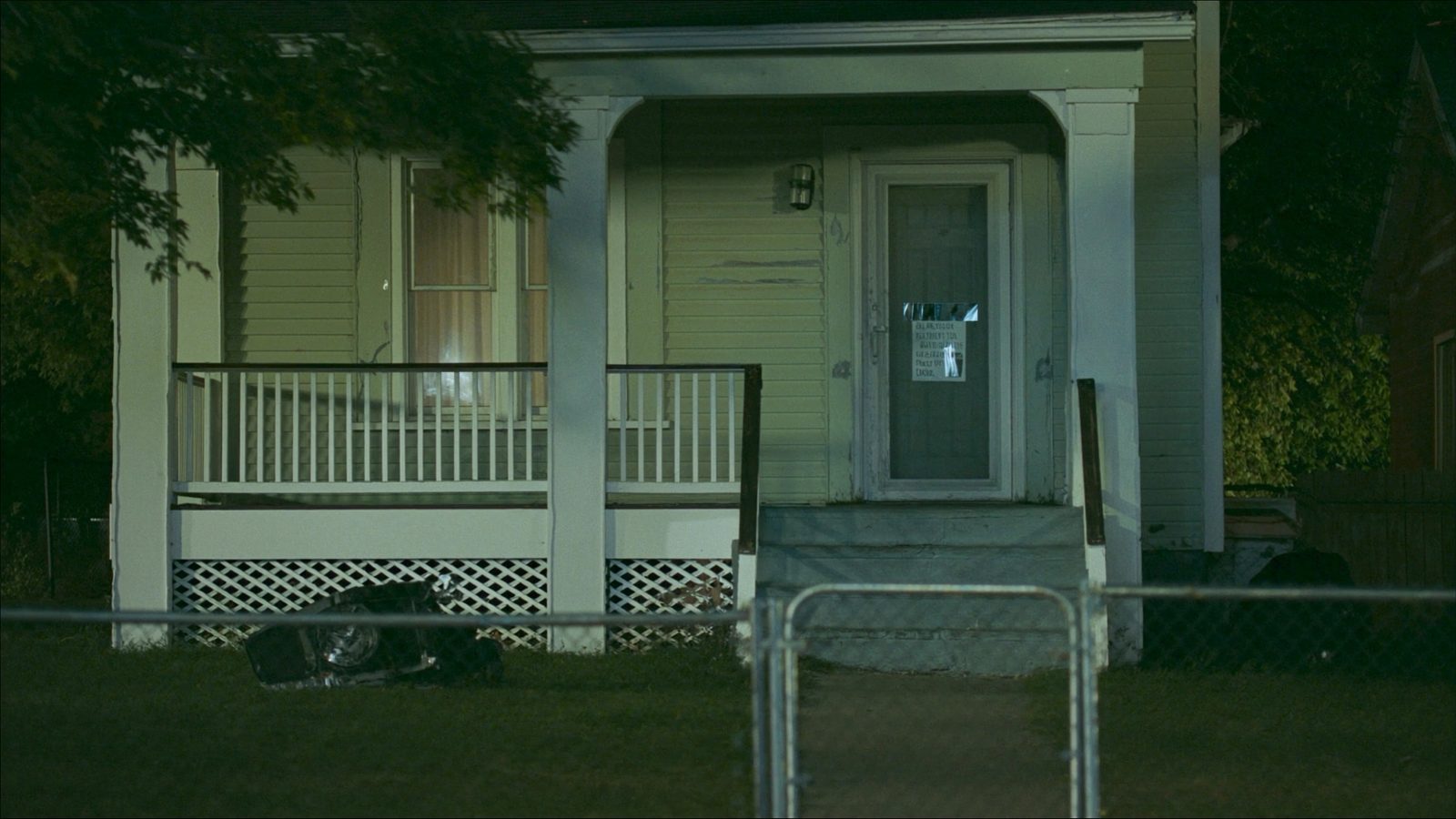
You can sell a house with code violations in Ohio, the violations must be disclosed on the Ohio Residential Property Disclosure Form (ORC §5302.30), but as-is sales to cash buyers are legal and common. Open violations transfer with the property unless resolved at closing, and buyers typically discount 10–25% of ARV to absorb repair and compliance costs. In Cleveland, which saw 9,400 code-enforcement cases filed in 2024, the majority of investor-purchased properties carry open violations at point of sale.
Do I have to fix code violations before selling in Ohio?
No. You are not legally required to cure code violations before selling in Ohio. The Ohio Residential Property Disclosure Form (mandated by ORC §5302.30) requires disclosure of known violations, but the property can be sold as-is. Cash buyers and investors frequently purchase violation-laden properties and assume the repair burden post-closing. Conventional lenders, by contrast, often require cured violations before funding.
The key distinction is disclosure. You must truthfully disclose every known code violation or building defect on the 15-item property disclosure form within 90 days of signing the purchase agreement. Failure to disclose can result in rescission of the sale or damages equal to the cost to cure (ORC §5302.38). If you list violations, the buyer accepts the property as-is, and you have no post-closing liability (assuming the violations existed and were disclosed before closing).
Can you sell a condemned house in Ohio?
Yes, you can legally sell a condemned property in Ohio. Condemnation is a municipal designation, not a bar to sale. However, the sale is restricted to cash buyers and specialized investor buyers who can absorb demolition or rehabilitation costs. Title companies require indemnification language for condemned structures, and conventional financing is unavailable.
In Cleveland, condemned properties are assigned by the Cuyahoga County Auditor's office. The city cannot prevent a sale, but title work becomes complex. Buyers must verify demolition rights, unpaid taxes, and code-enforcement liens (which can accrue $50–$250 per day of continued non-compliance). Most condemned sales close within 14 days at 30–50% of ARV, reflecting the cost and risk of demolition or major rehab.
Who pays for code violations at closing in Ohio?
Liability for code violations depends entirely on the purchase contract. If you disclose violations in writing and the buyer signs an as-is addendum accepting the property with open violations, the buyer assumes all post-closing liability and repair costs. The violation transfers with the property deed.
However, if violations are withheld or misrepresented, you remain liable under ORC §5302.38. The buyer can rescind the transaction within one year of discovery of the non-disclosure or sue for damages equal to the cost to repair the violations, plus attorney fees and court costs. Cash buyers typically negotiate a price reduction reflecting repair costs, then close as-is. The buyer owns the violation (and the liability) from closing forward.
Does Ohio require a seller disclosure for code violations?
Yes. Ohio Revised Code §5302.30 mandates seller disclosure of known defects, including building code violations. The Ohio Residential Property Disclosure Form (a 15-item checklist) must be completed truthfully and provided to the buyer within 90 days of the purchase agreement. Code violations, structural defects, unsafe conditions, and past code-enforcement notices are all disclosure items.
The disclosure form is not optional and applies to all residential sales in Ohio (with minor exemptions for probate and court-ordered sales). If you fail to disclose a known code violation, the buyer can pursue rescission or sue for damages within one year of closing. The Ohio Attorney General provides guidance on compliant disclosure (ohioattorneygeneral.gov).
Can a cash buyer close on a house with open violations?
Yes. Cash buyers routinely close on properties with code violations in 7–14 days. Unlike conventional lenders, cash buyers underwrite to the property's as-is value and projected repair costs (the ARV framework). They discount the purchase price by 12–25% to absorb remediation, then close quickly without inspection contingencies or lender appraisal requirements.
This is the primary exit for sellers with distressed or violation-ridden properties. Cash-buyer networks specialize in Cleveland, Columbus, Cincinnati, and Toledo properties with open code cases. Closing timelines are fast because the buyer doesn't depend on conventional financing or title approval. The trade-off is a lower purchase price, typically 10–25% below market value to reflect repair and risk.
How are code violations handled in Cleveland, Columbus, and Cincinnati?
Each Ohio municipality has its own code-enforcement division and escalation timeline. Cleveland Housing Court (Cuyahoga County) filed 9,400+ cases in 2024, making it the most active enforcement jurisdiction in Ohio. Violations can result in liens, demolition orders, or public nuisance citations.
| City | Enforcement Agency | Typical Timeline to Lien | Daily Accrual Rate | 2024 Cases Filed |
|---|---|---|---|---|
| Cleveland | Cleveland Division of Building & Housing; Cuyahoga County Housing Court | 60–90 days | $50–$250/day | 9,400+ |
| Columbus | Columbus Dept. of Building & Zoning Services | 45–60 days | $75–$200/day | ~4,200 |
| Cincinnati | Cincinnati Dept. of Buildings & Inspections | 75–120 days | $60–$150/day | ~2,800 |
In Cleveland, a violation discovered in January that remains uncured by June can result in a lien of $9,000–$45,000 (150 days × $60–$300/day). Sellers with long-standing open violations often choose to sell as-is to avoid accumulating liens.
What is a point-of-sale inspection in Cleveland Heights and Cuyahoga County?
A point-of-sale (POS) inspection is a mandatory municipal inspection triggered by the transfer of residential property. Not every Ohio municipality requires one, but several high-density Cuyahoga County communities do, and out-of-state heirs and first-time sellers are routinely caught off guard by it.
| Municipality | POS Required? | Administering Agency | Typical Fee / Cost Range | Notes |
|---|---|---|---|---|
| Cleveland Heights | Yes | Cleveland Heights Building Division | $200 inspection + $3,500-$12,000 repairs | Certificate required before deed transfer |
| Shaker Heights | Yes | Shaker Heights Building Dept (Code §551) | $100-$200 inspection fee | Shaker Code §551 certificate required at closing |
| Euclid | Yes | Euclid Building & Housing Dept | $150-$250 inspection fee | 20 compliance categories per Euclid Codified Ordinances §1351 |
| Cleveland (City) | Partial | Cleveland Department of Building and Housing | $200 POS fee | City of Cleveland Point-of-Sale Program applies to certain zones |
| Lakewood | Yes | Lakewood Building Dept | $100-$200 | Violations must be addressed or escrowed |
Cleveland Heights is the most rigorous. The Cleveland Heights Building Division inspects roofing, foundation, exterior walls, electrical panels, plumbing, and HVAC. When inspectors find violations, and on older stock they almost always do, sellers face a choice: cure the violations at their own expense, fund an escrow account, or negotiate with the buyer to take assignment of the POS obligation. Cash buyers operating in Cleveland Heights routinely take POS assignment as part of the deal structure, removing it entirely from the seller's obligations at closing.
Pre-1978 housing stock in these same municipalities also carries EPA lead-paint disclosure obligations separate from the POS certificate. See our guide on selling a house with lead paint in Ohio for that compliance workflow.
How much less will a cash buyer offer for a house with code violations?
Cash buyers discount 12–25% from ARV depending on the violation severity and repair cost. Minor cosmetic violations (peeling paint, roof gutters) result in 5–10% discounts. Structural defects (foundation, roof, electrical, plumbing) drive 15–25% discounts. Condemned properties or severe violations pull 20–35% discounts.
| Violation Type | Typical Repair Cost | ARV Discount | Cash-Buyer Willingness |
|---|---|---|---|
| Cosmetic/Minor (paint, gutters) | $500–$3,000 | 5–10% | High |
| Point-of-Sale Inspection Fail | $2,000–$12,000 | 8–15% | High |
| Structural (roof, foundation) | $8,000–$40,000 | 15–25% | Medium-High |
| Condemned/Unsafe Structure | $20,000–$60,000+ | 20–35% | Investor/Cash Only |
For example, if a Cleveland home has an ARV of $150,000 and a $12,000 roof violation, a cash buyer might offer $127,500–$138,000 (12–15% discount), depending on the market and buyer's cost-to-cure estimate.
How to sell a house with code violations in Ohio (step-by-step)
Selling a property with code violations requires strategy and speed. Here's the framework investors use:
- Step 1: Request a Municipal Inspection. Contact your city's building department (Cleveland Division of Building & Housing, Columbus Dept. of Building & Zoning, Cincinnati Dept. of Buildings & Inspections, or Toledo Division of Building Inspection) and request a formal inspection. Document every violation in writing. Review past code-enforcement notices from the county auditor's office.
- Step 2: Calculate Repair Costs. Obtain contractor estimates for each violation. Use the cost as your baseline for negotiations. Conservative estimates improve buyer confidence.
- Step 3: Complete the Ohio Residential Property Disclosure Form. List every known violation. Do not omit items or minimize their severity. Non-disclosure creates legal liability and grounds for rescission. Be thorough, it protects you post-closing.
- Step 4: Price for Cash Buyers. Price the property 12–22% below market value to attract investor interest. Use Zillow Research or Redfin Data Center to establish market baseline, then apply the violation discount. Example: $150,000 ARV home with $12,000 violation → list at $128,000–$132,000.
- Step 5: Contact Cash-Buyer Networks. Post on Craigslist under "For Sale by Owner," reach out to local real-estate investor clubs (Cleveland Real Estate Investment Association, Columbus REIA, Cincinnati REIA), or contact cash-buyer firms. Avoid traditional MLS, it attracts conventional buyers who cannot finance violations.
- Step 6: Negotiate As-Is Terms. Offer to sell as-is with full disclosure. Agree to a 7–14 day close timeline (much faster than traditional). Do not offer post-closing repairs. The buyer assumes all liability.
- Step 7: Close with a Title Company. Use an Ohio-licensed title company to ensure clean transfer and indemnification. Provide copies of disclosure forms, code-enforcement notices, and any existing liens. Close typically happens in 7–14 days.
Frequently Asked Questions
Do I have to fix code violations before selling in Ohio?
No. Ohio law does not mandate code fixes before sale. You must disclose known violations on the Ohio Residential Property Disclosure Form (ORC §5302.30), but you can legally sell as-is. Cash buyers routinely close on homes with open violations in 7–14 days. Conventional buyers typically require cured violations to secure financing.
Can you sell a condemned house in Ohio?
Yes, condemned properties can be sold in Ohio, but the title must be clear. The municipality cannot prevent sale of a condemned property, but lenders (including cash-buyer lenders) may require indemnification from the title company. Some condemned structures require cash-only buyers or specialized investor buyers willing to absorb demolition risk.
Who pays for code violations at closing in Ohio?
Liability depends on the contract. If you disclose violations in writing and the buyer accepts the property as-is, the buyer assumes liability post-closing. If violations were withheld or misrepresented, you may remain liable post-closing under Ohio's rescission and damages statute (ORC §5302.38). Cash buyers typically close as-is and absorb costs.
Does Ohio require a seller disclosure for code violations?
Yes. Ohio Revised Code §5302.30 requires disclosure of known defects, including code violations. The Ohio Residential Property Disclosure Form must list violations known to the seller within 90 days of signing the contract. Failure to disclose can result in legal liability up to the cost of repairs and statutory damages.
Can a cash buyer close on a house with open violations?
Yes. Cash buyers routinely close on homes with code violations because they underwrite to the property's potential value (ARV) less the cost to repair and comply. Closings typically happen in 7–14 days. Conventional lenders require cured violations or specific FHA/VA remedies before funding.
What happens if I don't disclose code violations in Ohio?
Non-disclosure of known violations violates ORC §5302.30 and can result in civil liability. Buyers may rescind the transaction within one year of discovery or sue for damages equal to the cost to cure the violations. Attorney fees and court costs are recoverable by the prevailing party.

Founder of Home Pros, operator across 48 markets, closed 300+ investor transactions since 2021. Trevor writes for investors and sellers navigating cash-buyer transactions, distressed property deals, and wholesale fundamentals. More about Trevor →