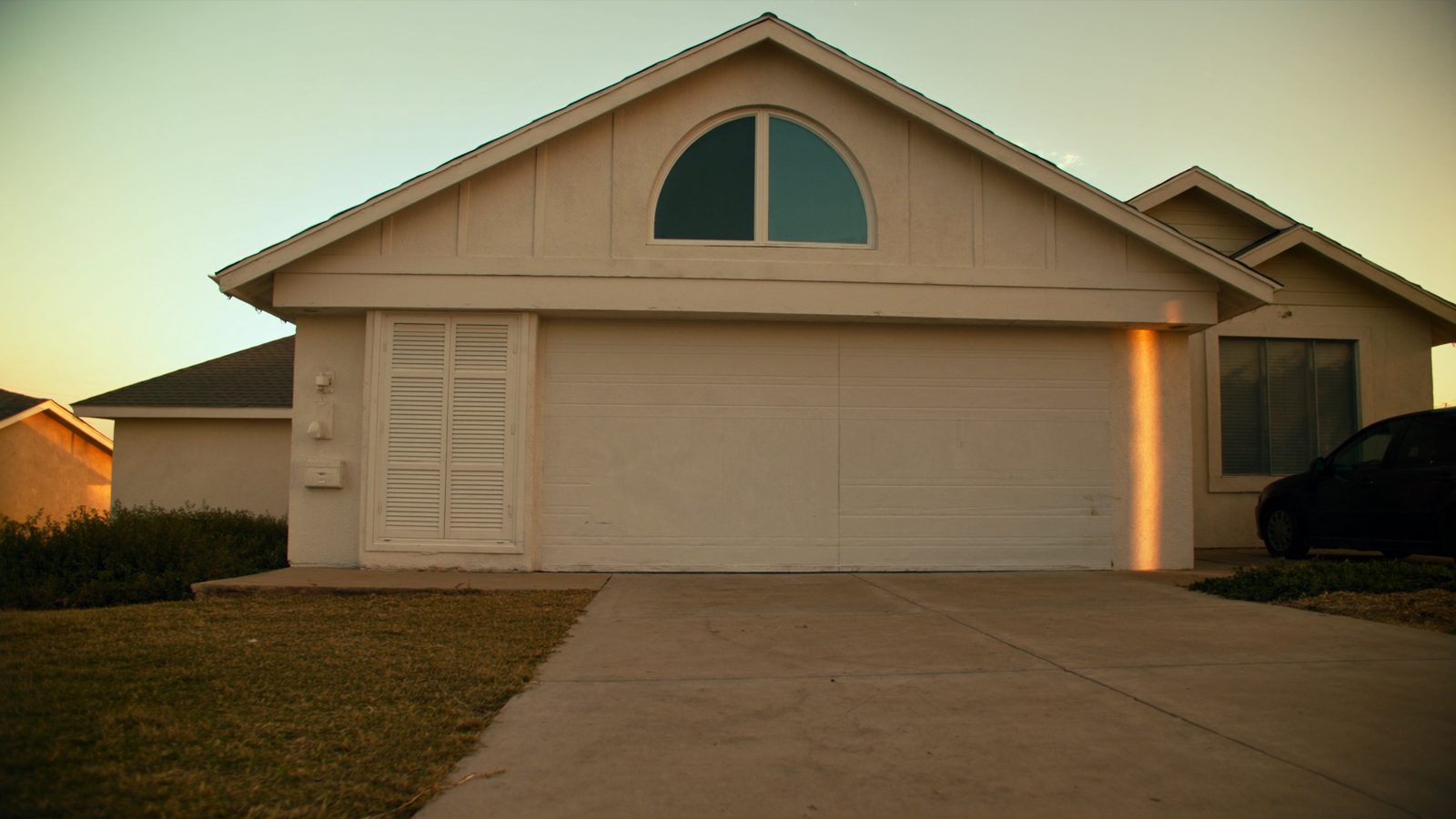
A vacant house is a house that costs money every single day it sits empty. If you own a vacant property in San Antonio, you already know the feeling - the bills keep coming, the property keeps deteriorating, and nobody is living there to catch the problems before they get worse.
The mortgage does not pause. The property taxes do not pause. The insurance premiums - which are often higher for vacant properties - do not pause. Meanwhile, the house is exposed to vandalism, weather damage, squatters, and city code enforcement notices.
Most homeowners with vacant houses do not want to own a vacant house. They ended up here through circumstances: a relocation, a death in the family, a tenant who left, a divorce. The question is not "should I keep it vacant" - the question is "what is the fastest way to stop the bleeding?"
Why Vacant Houses Cost More Than You Think
The carrying cost math on a vacant property adds up faster than most owners expect.
Monthly carrying costs for a typical vacant house in San Antonio:
| Expense | Monthly Cost |
|---|---|
| Mortgage payment | $1,200 - $1,800 |
| Property taxes (Bexar County) | $350 - $600 |
| Insurance (vacant policy) | $200 - $400 |
| Utilities (minimum service) | $100 - $200 |
| Lawn / exterior maintenance | $100 - $200 |
| Total | $1,950 - $3,200 |
Over 90 days, that is $5,850 to $9,600 gone - with nothing coming in. Over 6 months of a traditional listing (marketing, showings, buyer negotiation, inspection period, closing), the carrying cost alone can exceed $12,000 to $19,200.
And that is before accounting for the risk of property damage, theft, or a city code violation during the vacancy period.
According to Freddie Mac's housing research, vacant properties depreciate faster than occupied ones due to deferred maintenance, exposure to the elements, and the absence of regular monitoring.
The Insurance Problem Most Owners Do Not Know About
Here is something many vacant property owners in San Antonio do not realize: your standard homeowners insurance policy may not cover a vacant house.
Most standard policies include a vacancy clause that limits or eliminates coverage after the property has been unoccupied for 30 to 60 consecutive days. That means if someone breaks in, if a pipe bursts, or if a storm damages the roof after the vacancy window, the insurance company can deny the claim.
Vacant property insurance exists, but it is more expensive - often 50-100% more than a standard homeowners policy. And it usually covers fewer risks with higher deductibles.
The Texas Department of Insurance provides consumer guidance on homeowners insurance requirements, though vacant-specific policies are typically written by specialty carriers rather than standard providers.
San Antonio's Vacant Structure Program
San Antonio has a municipal code enforcement program that specifically targets vacant properties. The city's Code Compliance Department can issue notices and citations for:
- Overgrown vegetation and unmaintained lots
- Unsecured doors or windows
- Accumulated debris or dumping
- Structural deterioration visible from the street
Properties that have been vacant for over 12 months may be required to register with the city's vacant structure registration program. Registration involves inspections and potential fees. Non-compliance can result in fines that accrue daily.
The San Antonio Development Services Department oversees code enforcement and has the authority to issue citations, file liens, and in extreme cases initiate demolition orders for properties deemed a public hazard.
This is not theoretical. Owners of vacant properties in San Antonio receive code compliance letters regularly, especially in neighborhoods where the city is actively working to reduce blight.
Squatter and Trespasser Exposure
An empty house is a target. Squatters, trespassers, copper thieves, and vandals are all real risks for vacant properties in San Antonio.
Texas law handles trespassing clearly - it is a criminal offense and property owners can contact law enforcement for removal. But the process still takes time, and any damage done before the trespasser is removed is the owner's problem.
Texas adverse possession law requires 10 years of continuous occupation before a squatter can make a legal claim, so the risk is not about losing the property to a squatter. The risk is about property damage, liability (if someone is injured on the property), and the cost of dealing with the situation.
According to Nolo's legal guides on property rights, property owners are generally advised to secure vacant properties, check them regularly, and maintain "no trespassing" signage as basic protective steps.
Your Options for Selling a Vacant House in San Antonio
Option 1: List with a Real Estate Agent
A traditional listing works if the house is in good condition and you are willing to wait. But vacant houses face specific challenges on the MLS:
- No staging means less buyer appeal. Empty rooms photograph poorly and feel smaller than furnished rooms.
- Extended days on market. Vacant houses in San Antonio sit longer than occupied homes on average, adding to carrying costs.
- Security risk during showings. An empty house with a lockbox that multiple agents and buyers can access is a higher-risk situation.
- Buyer negotiation use. Buyers who know a house is vacant assume the seller is motivated, and they negotiate harder.
If you have a house in good condition and can afford 3-6 months of carrying costs plus 5-6% commission plus closing costs, listing is a viable option. But the financial math changes when you factor in the vacancy-specific costs.
Option 2: Rent It Out
Renting stops the vacancy but starts a different set of obligations. You become a landlord - responsible for maintenance, tenant management, and legal compliance. If the house needs repairs before it is rent-ready, you still need to invest in those improvements.
For some owners, especially those who inherited a property or live out of state, taking on landlord responsibilities for a single property is not practical.
Option 3: Sell As-Is to a Cash Buyer
A cash sale eliminates every vacancy-specific problem simultaneously:
- No repairs required. Cash buyers purchase the property in current condition. Deferred maintenance, cosmetic issues, and minor structural problems are accounted for in the offer price.
- No showings. One walkthrough with the buyer, not dozens of open houses with strangers accessing the empty property.
- No listing period. No 90-180 day marketing timeline. No carrying costs piling up during the listing.
- No commission. Direct sale means no 5-6% agent commission.
- Fast close. Cash buyers in San Antonio can close in 7-14 days. The meter stops running almost immediately.
The trade-off is price. A cash buyer will offer below full retail value because they are taking on the repair risk, the speed premium, and the certainty of close. The question for the owner is whether the discount is offset by the elimination of carrying costs, commission, and time.
For many vacant house owners, the math favors the cash sale - especially when the property has been sitting for months and the carrying costs are already substantial. For a full breakdown of how cash sales compare to traditional listings, see our as-is vs. Repairs comparison guide.
Common Reasons San Antonio Houses Go Vacant
Most vacant houses are not investment properties abandoned by choice. They are situations:
- Inheritance: A parent or family member passed away and the house is part of the estate. The heirs live elsewhere and did not plan to manage a rental. See our guide on selling an inherited house in San Antonio.
- Job relocation: The owner moved for work and could not sell the house before leaving. The property has been empty for months.
- Tenant departure: The previous tenants moved out and the owner is facing repair costs to make the property rent-ready again.
- Divorce settlement: The house is part of a divorce proceeding and neither party is living in it while the situation is resolved.
- Financial distress: The owner can no longer afford the mortgage and has moved elsewhere, but has not yet gone through foreclosure.
Each situation is different, but the carrying-cost pressure is the same. Every month the house sits vacant, it costs money and loses value.
What to Do Next
If you own a vacant house in San Antonio, the first step is understanding your financial exposure. Add up your monthly carrying costs, multiply by the number of months you have been vacant, and project forward 6-12 months. That number is the real cost of waiting.
Then compare your options: the net proceeds from a traditional sale minus commission, carrying costs, and repairs versus the net from a direct cash sale with no repairs, no commission, and a close date within two weeks.
For many owners, the math points clearly in one direction. For context on what the cash buyer process actually looks like, see our complete guide to selling to a cash buyer.
Frequently Asked Questions
How do I sell a vacant house in San Antonio quickly?
The fastest path is a direct cash sale. Cash buyers in San Antonio can close in 7-14 days, purchase the property as-is, and do not require appraisals, mortgage underwriting, or inspections that delay traditional sales. Contact a cash buyer, get an offer, and choose your closing date.
Does homeowners insurance still cover a vacant house in Texas?
Most standard homeowners policies limit or exclude coverage after 30-60 days of vacancy. Check your policy for a vacancy clause. If the house has been empty for over 60 days, you likely need a separate vacant property insurance policy, which is typically 50-100% more expensive than standard coverage.
Can San Antonio city code enforcement cite me for a vacant property?
Yes. San Antonio's Code Compliance Department can issue notices for overgrown vegetation, unsecured structures, debris accumulation, and other code violations on vacant properties. Properties vacant over 12 months may be required to register with the city's vacant structure program. Fines can accrue daily.
What are the biggest risks of leaving a house vacant while trying to sell it in Texas?
Insurance lapses or exclusions, city code enforcement citations, squatter or trespasser activity, weather damage that goes unnoticed, copper theft, and ongoing carrying costs with zero income. Each month of vacancy increases the financial exposure and the risk of something going wrong.
Can I sell my vacant San Antonio house without making repairs or cleaning it out?
Yes. Cash buyers purchase properties in as-is condition - no repairs, no cleaning, no staging required. The offer price reflects the property's current condition, and the buyer takes on all repair and cleanup responsibility after closing.
Own a vacant house in San Antonio that is costing you money every month? Home Pros buys vacant properties as-is across Bexar County. No repairs. No commissions. No waiting. Get a no-obligation cash offer today.
Featured Image Alt Text: Empty vacant house in a San Antonio neighborhood with an overgrown yard