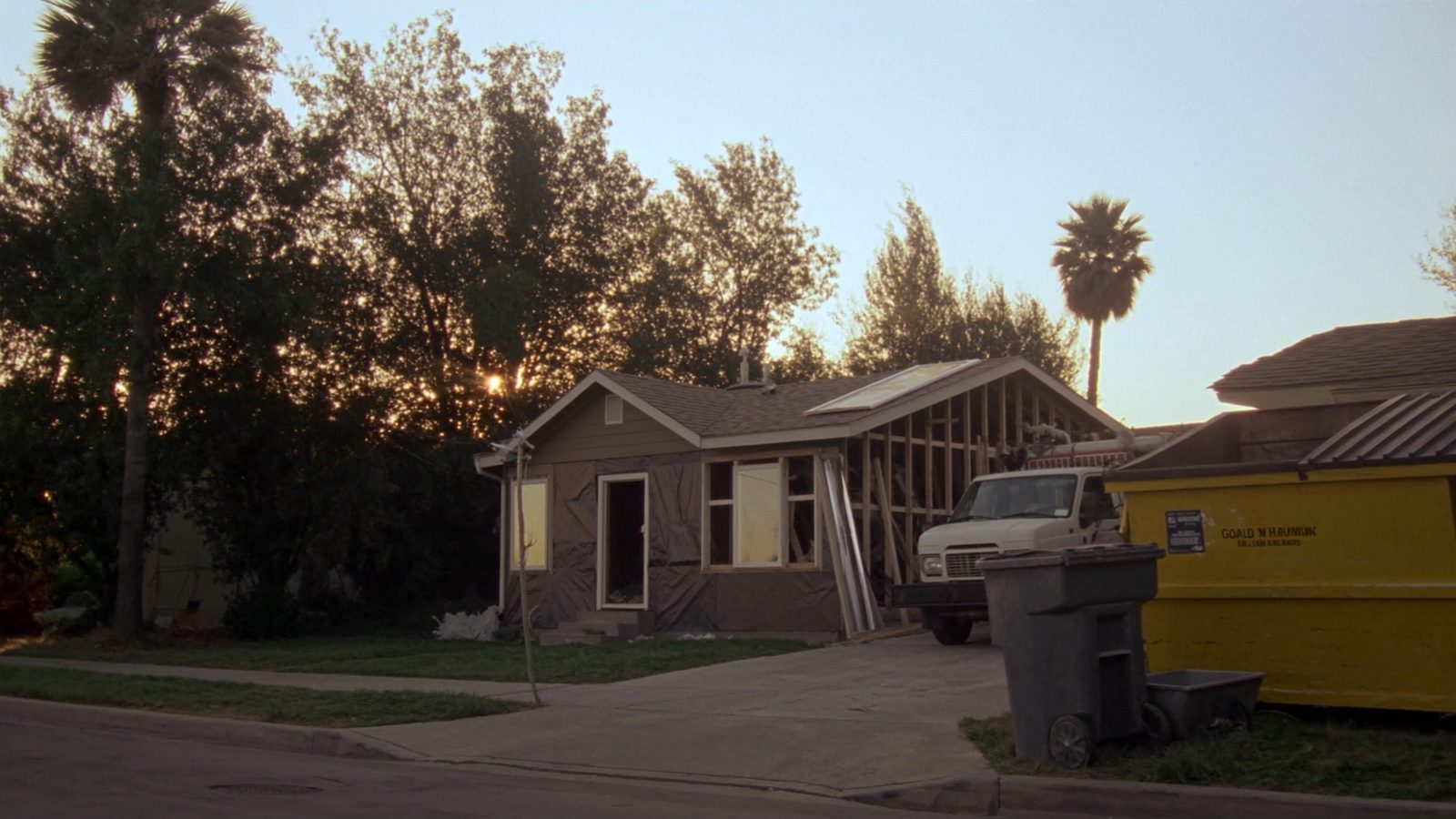
The BRRRR method - Buy, Rehab, Rent, Refinance, Repeat - is one of the most capital-efficient strategies in real estate investing. If you understand the method conceptually (and if you need a refresher, start with our national BRRRR explainer), the next question is: where does BRRRR actually work?
Dallas-Fort Worth is one of the strongest BRRRR markets in the country in 2026. The metro has the ingredients that make this strategy profitable: affordable distressed inventory in target submarkets, strong rental demand, rising rents, and a refinance market that supports cash-out based on ARV.
But DFW is a sprawling metro. Not every submarket works for BRRRR. This guide walks through where to buy, what the numbers look like, and how to execute BRRRR specifically in the Dallas market.
Why Dallas Works for BRRRR in 2026
Three fundamentals make DFW one of the top BRRRR metros:
1. Entry prices in target submarkets are still accessible. While core Dallas and Uptown have priced out most BRRRR plays, suburban and east Dallas submarkets still offer distressed inventory at $155,000-$220,000. That is low enough to hit BRRRR math after rehab and refinance.
2. Rental demand is strong and growing. The Dallas-Fort Worth-Arlington metro is one of the fastest-growing in the U.S. By population. According to the U.S. Census Bureau, DFW has added hundreds of thousands of residents over the past decade, driven by corporate relocations, job growth, and migration from higher-cost metros. That population growth directly feeds rental demand.
3. Post-rehab appraisals support cash-out refinance. The DFW market has enough comparable sales in target zip codes to support ARV-based appraisals after rehab. This is critical for the "Refinance" step - if appraisals do not come in at the right number, the cash-out does not work. For guidance on how to calculate ARV, see our ARV guide.
For the broader Dallas investor landscape - cap rates, cash flow zones, and institutional activity - see our Dallas real estate market analysis and suburban Dallas SFR guide.
The Target Submarkets for BRRRR in DFW
Not every DFW neighborhood works for BRRRR. You need neighborhoods with three conditions: (1) distressed inventory available below ARV, (2) strong rental demand to fill the property post-rehab, and (3) enough recent comparable sales to support the appraised value at refinance.
Here are the five strongest BRRRR zones in the Dallas metro right now:
Garland (75040, 75041)
Typical distressed purchase: $165,000 - $200,000
Rehab budget: $25,000 - $40,000
Post-rehab ARV: $240,000 - $280,000
Market rent (3/2 SFR post-rehab): $1,650 - $1,900/month
Garland is one of the most active BRRRR submarkets in DFW. The housing stock is primarily 1960s-1980s construction - cosmetic updates (kitchen, bath, flooring, paint) can push values significantly. Strong demand from families who work in the Richardson/Plano tech corridor but cannot afford those zip codes.
Mesquite (75149, 75150)
Typical distressed purchase: $155,000 - $195,000
Rehab budget: $25,000 - $40,000
Post-rehab ARV: $235,000 - $270,000
Market rent (3/2 SFR post-rehab): $1,550 - $1,850/month
Mesquite sits east of Dallas along I-30 and I-635. The area has been steadily improving, with new retail development and infrastructure investment drawing more residents. Fix-and-rent properties here benefit from lower entry and steady appreciation. Comparable sales have been consistent enough to support refinance appraisals.
Lancaster (75146)
Typical distressed purchase: $155,000 - $190,000
Rehab budget: $30,000 - $45,000
Post-rehab ARV: $240,000 - $275,000
Market rent (3/2 SFR post-rehab): $1,600 - $1,850/month
Lancaster is south of Dallas and benefits from proximity to DeSoto and Cedar Hill - higher-value adjacent communities that set the comp ceiling. Lancaster's lower entry prices create spreads. Rental demand is strong, driven by families and professionals commuting into Dallas or south-metro employment centers.
Balch Springs (75180)
Typical distressed purchase: $145,000 - $180,000
Rehab budget: $25,000 - $35,000
Post-rehab ARV: $225,000 - $260,000
Market rent (3/2 SFR post-rehab): $1,500 - $1,750/month
Balch Springs is one of the more affordable BRRRR entry points in southeast Dallas County. Smaller community with a mix of older SFRs that respond well to cosmetic renovation. Lower price per door means less capital per deal. The trade-off is slightly lower rents, but the cap rates pencil well.
South Dallas Neighborhoods (75215, 75216)
Typical distressed purchase: $120,000 - $165,000
Rehab budget: $30,000 - $45,000
Post-rehab ARV: $210,000 - $250,000
Market rent (3/2 SFR post-rehab): $1,450 - $1,700/month
South Dallas has the highest distress density in the metro and the lowest entry prices. The BRRRR spread can be substantial - but the execution risk is higher. Comps can be inconsistent, which creates appraisal risk. Investors need to be selective about blocks and condition. This area rewards experienced operators more than beginners.
Running the Numbers: A Dallas BRRRR Example
Step 1 - Buy
Acquire a distressed 3/2 SFR at $175,000. The property needs cosmetic renovation - dated kitchen, worn flooring, old fixtures, exterior paint. Structure is sound. Fund with cash or a hard money loan (see our hard money vs conventional guide for how this part works).
Step 2 - Rehab
Invest $35,000 in renovation:
- Kitchen update: $8,000
- Bathroom refresh (x2): $6,000
- Flooring (whole house): $7,000
- Interior/exterior paint: $5,000
- Fixtures, lighting, hardware: $3,000
- Landscaping and curb appeal: $2,000
- Contingency: $4,000
Total investment: $210,000 ($175K purchase + $35K rehab)
Step 3 - Rent
List the renovated property at $1,750/month. In Mesquite, a freshly renovated 3/2 SFR with updated kitchen and bathrooms fills quickly. Target: tenanted within 30 days of renovation completion.
According to Redfin's rental data for the DFW metro, the median rent for single-family homes has been climbing steadily, supporting this range.
Step 4 - Refinance
After 3-6 months of seasoning (lender-dependent), order an appraisal. Target ARV: $265,000.
Refinance options:
- Conventional (if you qualify): 75% LTV = $198,750 cash-out
- DSCR loan: 75% LTV = $198,750 cash-out (qualifies on rental income, not personal income)
At 75% LTV on a $265,000 appraisal, you pull out $198,750. Your total investment was $210,000. You leave roughly $11,250 in the deal.
Step 5 - Repeat
You now own a cash-flowing rental property with $1,750/month income, a long-term fixed-rate loan at ~$1,350/month PITI (estimated), and only $11,250 of your own capital tied up. Net cash flow: ~$300-$400/month after expenses.
Take the $198,750 and do it again.
The Refinance: Where BRRRR Succeeds or Stalls in Dallas
The refinance is the step that makes or breaks a BRRRR deal. If the appraised value comes in lower than expected, you do not pull enough cash out to recycle your capital - and you are stuck with more money in the deal than planned.
DFW-specific refinance considerations:
DSCR lenders vs conventional. If you already have 4+ financed properties, conventional loans become harder to obtain (Fannie Mae limits apply). DSCR lenders qualify based on property cash flow, not personal income. Most Dallas BRRRR investors use DSCR loans for the refinance step. Rates are slightly higher (7-9% vs 6.5-8%) but the qualification is simpler.
Seasoning requirements. Some lenders require 3-6 months of ownership ("seasoning") before they will refinance based on appraised value rather than purchase price. Plan for this holding period in your cash flow projections. During seasoning, you are paying the hard money loan interest (if financed) or tying up your cash.
Appraisal management in east Dallas. Conservative appraisals in some east Dallas and south Dallas submarkets can compress your cash-out. The best way to mitigate this: provide the appraiser with 3-5 strong comparable sales within 0.5 miles and within the last 6 months. Have these comps ready when the appraiser visits.
Common Dallas BRRRR Mistakes
Overestimating ARV. Use sold comps, not active listings. Dallas has seen price fluctuations and using asking prices instead of closed sales will inflate your numbers. The Dallas Central Appraisal District and Redfin sales data provide actual transaction prices.
Underestimating rehab costs. DFW labor costs have risen. Get three contractor bids, not one. Add a 10-15% contingency to every budget. A $35,000 rehab that turns into $48,000 can kill the entire BRRRR math.
Ignoring property management costs. If you are out of state or managing multiple properties, property management is 8-10% of gross rent. That $1,750/month rent becomes $1,575-$1,610 after management fees. Build this into your cash flow analysis from day one. For a detailed approach to running these numbers, see our rental property underwriting guide.
Buying in the wrong submarket. Not every cheap house is a BRRRR opportunity. If comparable sales are inconsistent or the appraisal likely comes in low, the refinance step fails and the strategy falls apart. Stick to the submarkets with proven comp support.
Frequently Asked Questions
Does the BRRRR method still work in Dallas TX in 2026?
Yes. DFW still has accessible distressed inventory in target submarkets ($155K-$220K), strong rental demand, and enough comparable sales to support cash-out refinances. The strategy works best in Garland, Mesquite, Lancaster, Balch Springs, and select south Dallas neighborhoods.
What neighborhoods in Dallas are best for BRRRR investing?
Garland (75040/75041), Mesquite (75149/75150), Lancaster (75146), Balch Springs (75180), and south Dallas neighborhoods (75215/75216). These areas offer distressed inventory at entry prices that support profitable BRRRR math after rehab and refinance.
What rental rate can I expect after rehabbing a BRRRR property in Dallas?
For a renovated 3/2 SFR in target BRRRR submarkets, expect $1,500-$1,900/month depending on the zip code, condition, and finishes. Garland and Lancaster command the top of the range; Balch Springs and south Dallas sit at the lower end.
How hard is it to get a cash-out refinance on a BRRRR property in DFW?
It is straightforward if the appraisal supports the ARV and the property is tenanted. DSCR loans are the most common refinance path for BRRRR investors - they qualify on rental income, not personal income, and most lenders offer 70-75% LTV on appraised value. The key challenge is conservative appraisals in some east Dallas submarkets.
What is a realistic BRRRR timeline in the Dallas market?
Typical timeline: 1-2 weeks for acquisition, 4-8 weeks for rehab, 2-4 weeks for tenant placement, and 3-6 months of seasoning before refinance. Total from purchase to cash-out: 3-8 months depending on rehab complexity and lender seasoning requirements.
Looking for off-market distressed properties in DFW that fit the BRRRR buy box? Join the Home Pros Marketplace - we source deals across all of Dallas-Fort Worth.
Featured Image Alt Text: Before and after renovation of a BRRRR property in a Dallas suburban neighborhood