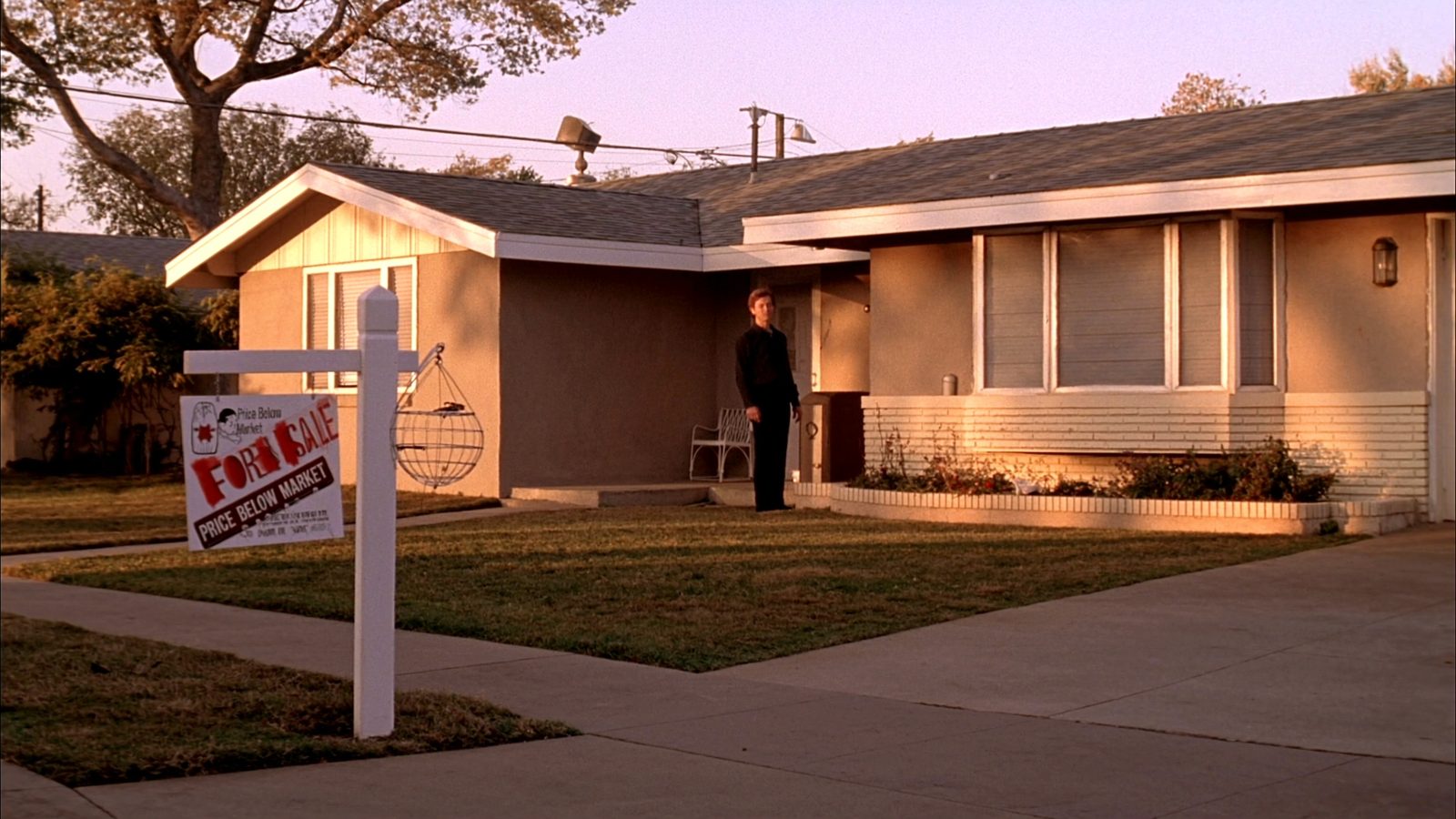
Buying at market value is how homeowners buy houses. Buying below market value is how investors make money. The difference is not luck. It is sourcing, timing, and understanding why sellers accept prices that look low on paper but solve real problems in their lives.
This guide covers the actual strategies working investors use to find and acquire properties below market value in 2026. Not theory. Not platitudes about "finding motivated sellers." Specific channels, specific methods, specific math.
What "Below Market Value" Actually Means
"Below market value" is thrown around loosely. For investors, it has a specific meaning: you are purchasing a property at a price that is lower than what the property would sell for on the open market, either in its current condition or after repairs.
There are two ways to think about it:
Below current-condition market value. A property that would sell for $180,000 as-is on the MLS, and you buy it for $150,000. The discount comes from bypassing the competitive market entirely.
Below after-repair value (ARV). A property with a $250,000 ARV that needs $40,000 in repairs, and you buy it for $135,000. The discount is baked into the distressed condition. This is where most investor deals live.
According to Investopedia's analysis of below-market purchases, the average investor acquisition discount on off-market deals ranges from 10-30% below fair market value, depending on the property condition, seller motivation, and how the deal was sourced.
The National Association of Realtors reports that investor purchases accounted for approximately 18% of all residential transactions in 2025. Nearly all of those were acquired below the price a retail buyer would have paid.
Why Sellers Accept Below-Market Offers
This is the part new investors struggle with. "Why would anyone sell for less than their house is worth?"
Because "market value" requires market conditions: a clean, showable property listed on the MLS with professional photos, marketed for 30-90 days, shown to dozens of buyers, negotiated through inspections, and closed through a lender's timeline. That process costs money (6% in commissions, 1-2% in closing costs, carrying costs for every month) and it requires time, energy, and a property that is ready to show.
Many sellers cannot or do not want to do that. They have situations that make speed, certainty, and simplicity more valuable than maximum price:
- Inherited a property they do not want and cannot afford to maintain
- Facing foreclosure and need to sell before the auction date
- Divorcing and need to split assets quickly
- Landlord tired of managing problem tenants or a failing rental
- Property has code violations, liens, or structural problems that scare off traditional buyers
- Relocating for a job and cannot wait for a traditional sale
- Behind on property taxes and facing a tax sale
- Health issues making it impossible to maintain or manage the property
For these sellers, a below-market cash offer that closes in 10-14 days with zero repairs, zero commissions, and zero showings is not a bad deal. It is the solution to a problem that has been keeping them up at night.
Strategy 1: Off-Market Direct-to-Seller
The highest-margin deals come from reaching sellers before they list on the MLS. Once a property hits the open market, competition drives the price up. Off-market means you are the only buyer at the table.
The main direct-to-seller channels:
Direct mail. Targeted letters and postcards to homeowners in distressed situations (pre-foreclosure, probate, tax delinquent, absentee owners). Our 2026 direct mail guide covers which lists work, what messaging converts, and how to structure a campaign.
Skip tracing and cold outreach. Finding phone numbers for targeted property owners and reaching out directly. Our skip tracing guide covers the tools and techniques.
Driving for dollars. Physically driving neighborhoods and identifying distressed properties (overgrown yards, boarded windows, code violation notices). Then tracking down the owner and making an offer. Our driving for dollars guide walks through the process.
Networking with attorneys and fiduciaries. Probate attorneys, estate attorneys, bankruptcy trustees, and guardians all handle property dispositions. Building relationships with these professionals creates a referral pipeline of motivated sellers. The Cornell Law Institute's probate overview explains the legal framework that creates these selling situations.
Strategy 2: Wholesale Deal Flow
Wholesalers do the marketing, negotiate with sellers, put properties under contract, and then assign those contracts to investors. The wholesaler makes an assignment fee ($5,000-$20,000 typically), and the investor gets a property at a price that still works under the 70% rule.
To access wholesale deal flow:
- Join local real estate investor association (REIA) meetups
- Get on wholesaler email lists in your target markets
- Build relationships with active wholesalers by closing quickly when you commit
- Post in Facebook groups and BiggerPockets forums that you are a cash buyer looking for inventory
- Sign up for deal marketplaces that aggregate wholesale inventory
The key to getting the best wholesale deals is speed and reliability. Wholesalers send their best deals to buyers who close fast and do not retrade (renegotiate after going under contract). If you build a reputation for closing in 7-10 days with no games, wholesalers will send you first look at their inventory.
Strategy 3: Auction and Bank-Owned Properties
Foreclosure auctions, tax sales, and bank-owned (REO) properties can offer significant discounts, but they come with trade-offs.
Foreclosure auctions. Properties sold on the courthouse steps (in Texas, the first Tuesday of each month). You must pay cash, often cannot inspect the property interior beforehand, and title may have issues. Discounts of 20-40% below market value are possible, but the risks are real. According to the HUD foreclosure resources, understanding the legal process in your state is critical before bidding.
Tax lien and tax deed sales. Properties sold for delinquent taxes. The process varies by state. In Texas, tax sales happen at county auctions. The opening bid is the amount of back taxes owed, which can be a fraction of market value. Redemption rights vary by property type (homestead vs. non-homestead).
REO (bank-owned) properties. After a foreclosure, the bank lists the property for sale, often through an asset manager or listing agent. REO properties are typically priced 5-15% below market because the bank wants to move them quickly. They are listed on the MLS and accessible through conventional channels.
Strategy 4: Expired and Canceled Listings
When a property listing expires on the MLS without selling, the homeowner still wants to sell but their approach did not work. These sellers are often frustrated with the traditional process and open to alternative offers.
Access expired listing data through MLS access (if you have it), data services like PropStream or BatchLeads, or by working with a realtor who can pull expired listing reports for your target areas.
The Freddie Mac Research portal tracks housing market data that helps contextualize why listings expire in certain markets. In Houston, for example, properties priced above the comparable range or in flood-risk areas account for a disproportionate share of expired listings.
The Negotiation Framework
Finding the deal is half the battle. Negotiating the right price is the other half. Here is the framework that works:
Anchor to the numbers, not the listing price. Use your ARV calculation, repair estimate, and target return to determine your maximum offer. Present the math to the seller. Show them the comps, the repair costs, and the soft costs. Transparency builds trust and justifies your price.
Solve the seller's problem, not just your own. If the seller needs to close fast, emphasize your timeline. If they need to avoid the hassle of repairs and showings, emphasize the as-is purchase. If they have a tax issue, bring a solution. The price is one variable. Speed, certainty, simplicity, and problem-solving are others.
Make the process easy. Handle the title work. Pay for closing costs. Be flexible on the closing date. Remove every possible friction point. Sellers accept below-market offers because the total package, not just the price, is better than the alternative.
For the specific math behind evaluating deals, our rental property underwriting guide and ARV calculation guide provide the frameworks.
How Much Below Market Should You Target?
Your target discount depends on your strategy:
Fix-and-flip: Target 65-75% of ARV minus repair costs (the 70% rule). This ensures enough margin for profit after rehab, commissions, and holding costs.
BRRRR (buy, rehab, rent, refinance, repeat): Target 70-80% of ARV minus repair costs. You can pay slightly more because you are holding the property and generating rental income rather than reselling for a one-time profit.
Buy-and-hold rental: Target a purchase price that produces a minimum 7-8% cash-on-cash return after all expenses. The absolute discount matters less than the cash flow the property generates.
Wholesale assignment: Target 60-65% of ARV minus repairs. You need room below the 70% threshold for your assignment fee.
Common Mistakes When Buying Below Market
Overpaying because of deal fever. When you have been looking for months and finally find something, it is tempting to stretch your numbers. Do not. Stick to your criteria. The deal you pass on today protects you from the loss you would have taken tomorrow.
Underestimating repairs. The property looks like a $30,000 rehab, but the foundation has issues you did not see, or the plumbing needs a full repipe. Always add 15-20% contingency to repair estimates. Walk every property with a contractor before committing.
Ignoring holding costs. A property that sits for 6 months during rehab and sale accumulates mortgage, tax, insurance, and utility costs. On a $200,000 property, holding costs can run $1,500-$2,500/month. Factor this into your maximum offer.
Not verifying title. Below-market properties often have title issues: liens, back taxes, estate disputes, or unknown encumbrances. Run title before closing. A $300 title search is cheap insurance against a $30,000 problem.
Frequently Asked Questions
What qualifies as "below market value" for a real estate investment?
A property purchased at a price lower than its fair market value in current condition or below a percentage threshold of its after-repair value. Most investors target 65-80% of ARV minus repair costs, depending on their exit strategy (flip, rental, or wholesale).
How much below market value do real estate investors typically buy?
Discounts range from 10-30% below fair market value for off-market acquisitions. Fix-and-flip investors typically buy at 65-75% of ARV minus repairs. Rental investors may accept smaller discounts if the property cash flows well.
Where do investors find houses to buy below market value?
The primary channels are direct-to-seller marketing (direct mail, cold calling, driving for dollars), wholesale deal networks, foreclosure auctions, tax sales, expired MLS listings, and relationships with probate attorneys and estate professionals.
Is buying below market value always a good deal?
Not necessarily. A property at 60% of ARV that needs $100,000 in structural work may be a worse deal than a property at 80% of ARV that only needs cosmetic updates. The discount must be evaluated against repair costs, holding costs, exit strategy, and risk. The total return matters, not just the acquisition discount.
Can you buy below market value with a conventional loan?
It is possible but uncommon. Conventional lenders appraise the property, and if the purchase price is significantly below the appraised value, the loan may require additional documentation. Most below-market acquisitions are done with cash or hard money because the speed and certainty of close are what motivate sellers to accept the discounted price.
Get Below-Market Deals Delivered
Home Pros sources off-market properties across 48 markets, priced for investor returns. Skip the marketing and sourcing. Join the Home Pros Marketplace for direct access to discounted SFR inventory.