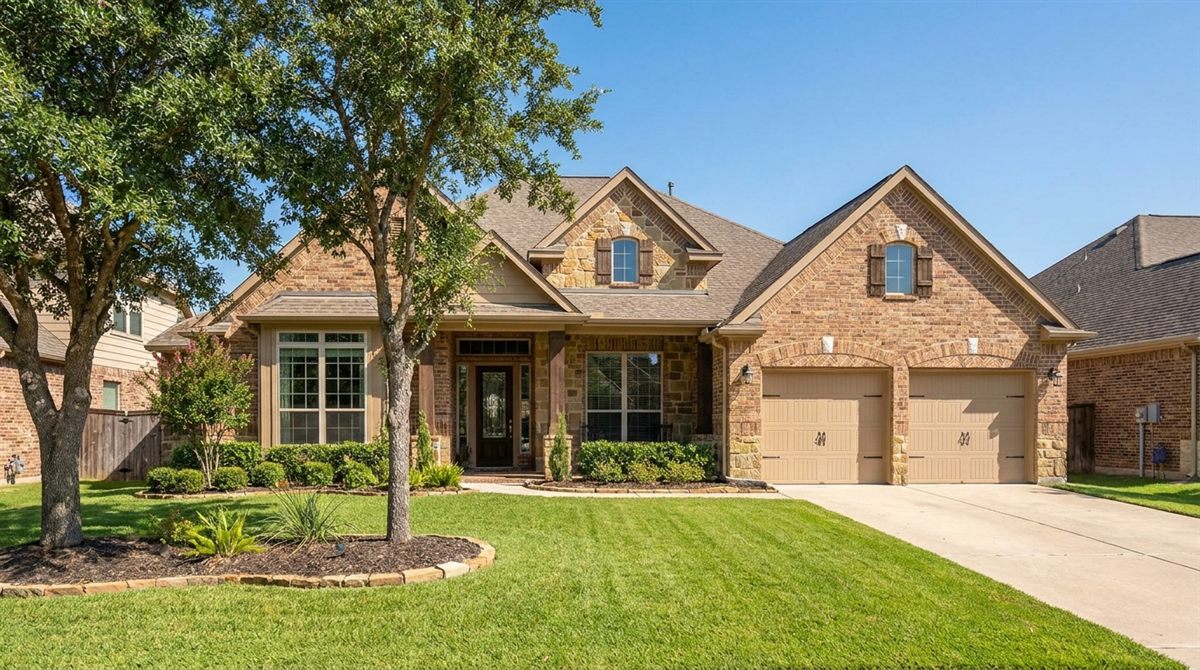
The best HomeVestors alternatives in Texas are local cash buyers and vetted marketplaces that compete for your home instead of anchoring to a franchise's 50 to 70 percent formula. In Houston (median near $340,000) and Dallas (median near $499,000), comparing two or three direct offers typically nets sellers thousands more than a single We Buy Ugly Houses bid. Always pull a competing offer before you sign.
What Are the Best Alternatives to HomeVestors in Texas?
The best alternatives to HomeVestors in Texas are local independent cash buyers, competing-bid marketplaces, and a discount MLS listing when the home is habitable. Each path trades a different mix of price, speed, and certainty, and the right one depends on the property condition and your deadline. The table below lays the four real options side by side so the choice is a comparison, not a guess.
| Option | Typical Net to Seller | Speed | Who Sets the Price | Best For |
|---|---|---|---|---|
| Cash-buyer marketplace (Home Pros) | ~70-82% of ARV | 1-3 weeks | Competing investors bid | Highest cash number that still closes fast |
| Local independent cash buyer | ~60-75% of FMV | 1-3 weeks | One buyer sets it | As-is sale without franchise overhead |
| We Buy Ugly Houses franchise | ~50-70% of FMV | 1-3 weeks | Franchisee sets it | Heavy repairs, hard deadline, certainty over price |
| Discount or flat-fee MLS listing | ~88-93% of FMV | 30-60 days | Open market sets it | Habitable home with time for showings |
The first slot belongs to a cash-buyer marketplace because competition does the price work. Instead of one franchisee handing over a single take-it-or-leave-it number, the property goes to a vetted pool of regional investors who bid against each other. Home Pros operates this way across 48 markets, including Houston, Dallas, San Antonio, Fort Worth, and Austin, and typically delivers offers in the 70 to 82 percent of after-repair value range. To see specific vetted local buyers ranked, use our lists of the top cash home buyers in Houston and the top cash home buyers in Dallas, or compare cash home buyer types side by side.
A local independent cash buyer is the next strongest option. These investors run the same after-repair value math a franchise uses, but without the royalty and corporate marketing layers, so the headroom often lands in the seller's pocket. The We Buy Ugly Houses franchise still has a place when a home needs heavy repairs the seller cannot finance, when a foreclosure auction is close, or when an out-of-state heir simply needs the property gone. The point is not that the franchise is wrong for everyone. It is that it should be one bid in a competitive process, never the only one.
Why Are We Buy Ugly Houses Offers So Low?
We Buy Ugly Houses offers run low because the price is built backward from resale and because the franchise carries cost layers an independent buyer never pays. A HomeVestors franchisee starts with the after-repair value of the home, subtracts the cost of repairs, subtracts a target profit margin, subtracts holding and resale costs, and then subtracts franchise overhead. What is left is the offer, and in Texas markets that math typically produces 50 to 70 percent of fair market value.
The extra cost layer is the franchise itself. HomeVestors of America licenses the We Buy Ugly Houses brand to roughly 1,100 to 1,150 independently owned offices, and each one pays the Dallas corporate parent an ongoing royalty plus a national marketing assessment, on top of its own local advertising. Those costs are real, and like any business cost they get recovered through pricing. An independent local buyer in Houston or Dallas running the identical math without that layer can frequently pay 5 to 12 percent more on the same property and still hit the same profit target. On a $340,000 Houston home, even an 8 percent difference is roughly $27,000 in the seller's pocket. We cover the franchise-royalty mechanics in depth in our guide to the lowball truth behind We Buy Ugly Houses in Texas.
The feeling of being lowballed usually comes from comparing the cash offer to a Zillow estimate or a neighbor's recent sale. Those are fair-market numbers for a move-in-ready home sold over 30 to 60 days. A cash offer trades that headline price for speed, certainty, and an as-is sale with no showings, no financing contingency, and no repair negotiation. That trade can be worth it. The mistake is accepting the first cash offer as if it were the only one. For neutral background on how these companies are structured, Investopedia's overview of how cash-for-homes companies work is a clean starting point.
What Percentage of Value Does We Buy Ugly Houses Offer?
HomeVestors franchisees typically offer 50 to 70 percent of fair market value, with a practical midpoint near 60 percent. ProPublica's 2023 reporting documented some offers as low as 35 to 40 percent for the most pressured sellers. The table below runs the 60 percent midpoint against a competing-bid marketplace and a clean MLS sale at four common Texas price points, so the equity gap is explicit rather than abstract.
| Texas Home Fair Market Value | We Buy Ugly Houses (60% midpoint) | Marketplace Offer (~76% of ARV) | MLS Net (~91%) |
|---|---|---|---|
| $250,000 | $150,000 | $190,000 | $227,500 |
| $340,000 (Houston median) | $204,000 | $258,400 | $309,400 |
| $499,000 (Dallas median) | $299,400 | $379,240 | $454,090 |
| $650,000 | $390,000 | $494,000 | $591,500 |
The spread between the franchise column and the marketplace column is the cost of skipping competition. On the Dallas median, a competing-bid offer near 76 percent of after-repair value lands about $80,000 above the franchise midpoint. According to the Federal Reserve Economic Data Texas All-Transactions House Price Index, Texas values have climbed steadily through the 2020s, which means the dollar value of that percentage gap keeps growing even when the percentage itself holds. None of this is fraud. It is the model working exactly as designed, which is precisely why a second bid matters so much. Our breakdown of the 70% rule investors use to price offers shows where the floor gets set.
Who Buys Houses for Cash in Houston Besides HomeVestors?
Houston sellers have plenty of cash options beyond the We Buy Ugly Houses franchise. Independent investors work across Harris County and Fort Bend County, regional marketplaces collect competing bids, and buy-and-hold landlords actively seek rentals in ZIP codes like 77002 and 77026. With a Houston median sale price near $335,000 to $350,000, about 46 days on market, and roughly 5.7 months of inventory per Houston Association of Realtors data, the market gives sellers enough buyer competition that a single bid rarely represents the ceiling.
The greater Houston metro spans a wide price range, from sub-$200,000 homes in older inner-loop ZIP codes to $500,000-plus properties in the suburbs, which means franchise offers anchored to a fixed percentage can miss badly on either end. Comparing two or three offers usually moves the final number by thousands. Home Pros routes Houston properties to a competing investor pool rather than handing over one number, and our Opendoor alternatives in Houston guide covers how the national iBuyers stack up locally. If your Houston home has real condition issues, a competing-bid marketplace usually beats a franchise discount because investors price condition individually instead of against a blanket formula.
Who Buys Houses for Cash in Dallas Besides HomeVestors?
Dallas sellers can work with independent cash buyers across Dallas County and Tarrant County, regional marketplaces that route one property to multiple bidders, and flip and rental investors active in ZIP codes such as 75215 and 75217. With a Dallas-area median sale price near $499,000 and about 40 days on market, the dollar gap between a low franchise bid and a competitive offer is larger here than in Houston, simply because the percentages apply to a bigger number.
That higher median is exactly why a single We Buy Ugly Houses bid can leave the most money behind in the Dallas-Fort Worth metroplex. A 60 percent franchise midpoint on a $499,000 home is about $299,400, while a competing-bid marketplace near 76 percent of after-repair value lands closer to $379,000, a difference approaching $80,000. Home Pros covers the full Dallas-Fort Worth metroplex and collects competing investor bids on each property. For the national-brand comparison Dallas sellers often weigh, our Opendoor alternatives in Dallas guide and the broader New Western reviews and alternatives run the same fee-stack analysis.
Is HomeVestors a Legitimate Company?
Yes, HomeVestors is legitimate, and the more useful question is whether the offer is fair. HomeVestors of America, Inc. is a real, legally registered franchisor founded in 1996 and headquartered in Dallas, operating under the FTC Franchise Rule, codified at 16 CFR Part 436 on the FTC's website. It is not a scam in any legal sense, and calling the whole brand a ripoff misses the actual risk.
The documented record on the franchise model, however, is genuinely mixed. A 2023 ProPublica investigation, ProPublica's report titled "The Ugly Truth Behind We Buy Ugly Houses", documented franchisees targeting elderly, probate, and pre-foreclosure homeowners across Texas counties, and recorded some offers as low as 35 to 40 percent of value. The reporting prompted a 2024 US Senate scrutiny letter and a voluntary corporate 3-day rescission disclosure. Separately, in May 2025, former top Dallas franchisee Charles Carrier, operating as C&C Residential Properties, pleaded guilty to federal wire fraud tied to a roughly $40 million scheme with about 80 victims, after HomeVestors corporate terminated his franchise and reported him to the FBI. We cover the full pattern of HomeVestors complaints sellers report in our national guide. The lesson for a Texas seller is to verify the specific local franchise owner, not just the logo on the truck, and to treat any offer as one bid among several.
How Do I Compare Cash Offers in Texas Before I Sign?
Compare the actual net dollars you walk away with, not the headline number or the fee structure. A no-commission cash offer at 60 percent of value still nets far less than a competing offer at 76 percent or an MLS sale at 91 percent. Get at least two or three written offers, then line them up on the one figure that matters, which is the money in your account at closing.
Before you sign anything, confirm a few specifics. Ask each buyer how they calculated the offer from after-repair value, so you can see whether the number is reasoned or anchored to a formula. Confirm the offer is non-contingent on a later inspection or financing. Check whether the buyer intends to assign the contract to another investor, which Texas Property Code Sec. 5.086 requires a buyer to disclose when they hold only equitable interest. And remember the disclosure obligations that run the other way, including Texas Property Code Sec. 5.008 seller's disclosure, which the Texas Real Estate Commission enforces.
The single most important rule is timing: never sign at the first kitchen-table visit. Texas does not provide a statutory cooling-off period for a residential cash-sale contract, and the federal FTC Cooling-Off Rule does not apply to real estate, so once you sign you are bound. Take 24 to 72 hours, pull a competing bid, and if a deadline is driving you, our guide on how to stop foreclosure in Texas covers the timeline you are actually working with. If your property has real condition problems, we buy problem houses in any condition without a franchise discount.
Frequently Asked Questions
What are the best alternatives to HomeVestors in Texas?
The best alternatives are local independent cash buyers without franchise overhead, regional cash-buyer marketplaces that route one property to competing investor bidders, and a discount or flat-fee MLS listing when the home is habitable and the timeline allows 30 to 60 days. Home Pros runs as a 48-market marketplace across Houston, Dallas, San Antonio, Fort Worth, and Austin and typically delivers 70 to 82 percent of after-repair value, above a typical franchise bid.
Does HomeVestors pay fair market value in Texas?
No. Franchisees price backward from after-repair value, then subtract repairs, profit, holding costs, and franchise overhead, landing at a typical 50 to 70 percent of fair market value. On a $340,000 Houston home, a 60 percent midpoint offer is about $204,000, while a clean MLS sale nets roughly $309,000 after commission and closing costs. The cash offer buys speed and certainty, not a market price.
Why are We Buy Ugly Houses offers so low?
Offers run low because the price is built from resale, not current value, and because the franchise carries royalty and marketing costs an independent buyer does not. Every HomeVestors franchisee pays the corporate parent an ongoing royalty plus a national marketing assessment, and that overhead is priced into the offer. An independent Houston or Dallas buyer running the same math without that layer can usually pay 5 to 12 percent more on the identical home.
Is HomeVestors a legitimate company?
Yes. HomeVestors of America is a legally registered Dallas-based franchisor founded in 1996 with roughly 1,100 to 1,150 offices, operating under the FTC Franchise Rule. It is not a scam. The better question is whether the offer is fair, and the record is mixed: a 2023 ProPublica investigation, a 2024 Senate scrutiny letter, and a May 2025 federal wire-fraud guilty plea by former Dallas franchisee Charles Carrier. Evaluate the brand and the local franchise separately, and never sign without a competing bid.
What percentage of value does We Buy Ugly Houses offer?
Typically 50 to 70 percent of fair market value, with a midpoint near 60 percent, and ProPublica documented some offers at 35 to 40 percent for pressured sellers. By comparison, a vetted cash-buyer marketplace such as Home Pros typically delivers 70 to 82 percent of after-repair value, and a discount MLS listing nets around 88 to 93 percent when the home is habitable and time allows.
Who buys houses for cash in Houston besides HomeVestors?
Independent investors across Harris County and Fort Bend County, regional marketplaces that collect competing bids, and buy-and-hold landlords in ZIP codes like 77002 and 77026. With a Houston median near $335,000 to $350,000 and about 46 days on market, comparing two or three offers usually moves the final number by thousands. Home Pros routes Houston properties to a competing investor pool.
Who buys houses for cash in Dallas besides HomeVestors?
Independent cash buyers across Dallas County and Tarrant County, marketplaces that route one property to multiple bidders, and flip and rental investors in ZIP codes such as 75215 and 75217. With a Dallas-area median near $499,000 and about 40 days on market, the dollar gap on a low bid is larger than in Houston. Home Pros covers the Dallas-Fort Worth metroplex and collects competing investor bids.
How do I compare cash offers in Texas before I sign?
Get two or three written offers and compare the net dollars you walk away with, not the headline or the fees. Confirm each offer is non-contingent, ask how it was calculated from after-repair value, and check whether the buyer intends to assign the contract, which Texas Property Code Sec. 5.086 requires a buyer to disclose. Texas has no statutory cooling-off period, so never sign at the first visit. Take 24 to 72 hours and pull a competing bid.

Founder of Home Pros, operator across 48 markets, closed 300+ investor transactions since 2021. More about Trevor