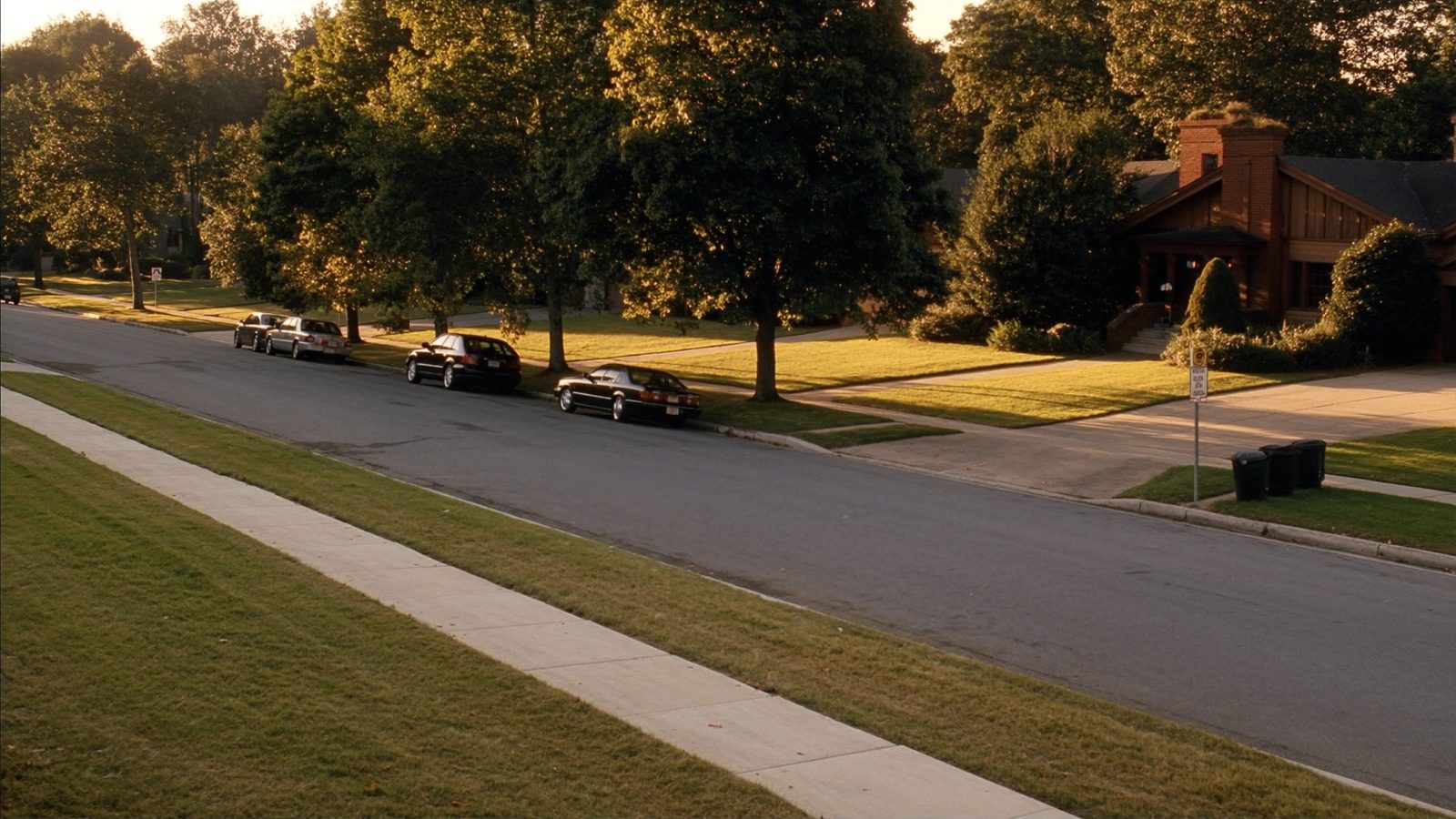
Off-market properties in Charlotte NC are homes sold without an MLS listing, typically sourced through direct mail to absentee owners, Mecklenburg County tax-delinquent lists, pre-foreclosure filings, and wholesaler networks. In 2026, Charlotte investors acquire roughly 18% of investment-grade inventory off-market per ATTOM, with median discounts of 12-22% versus listed comps.
What are off-market properties in Charlotte NC?
Off-market properties are single-family homes, duplexes, and small multifamily buildings that transact without a listing on Canopy MLS, the multiple listing service operated by Canopy Realtor Association. Sellers trade public marketing exposure for speed, privacy, or the ability to sell an as-is distressed property.
The main categories Charlotte investors target:
- Absentee-owner rentals, Out-of-state landlords tired of remote management, concentrated in ZIPs 28269 and 28262.
- Tax-delinquent homes, Owners three or more years behind on Mecklenburg property taxes.
- Pre-foreclosures, Homeowners with a filed Notice of Hearing in NC Superior Court.
- Inherited properties, Heirs who don't want to renovate or manage estate marketing.
- Code-violation properties, Charlotte Code Enforcement citations stacked up against the owner.
- Wholesaler assignments, Contracts locked by another investor and sold to end-buyers for an assignment fee.
The Charlotte metro is a top-15 off-market market by dollar volume per ATTOM Data Solutions, driven by 9.2% population growth from 2020-2025 per US Census Bureau American Community Survey estimates and a rapidly institutionalizing landlord base.
How do I find off-market real estate in Charlotte?
Source across multiple channels simultaneously. One channel produces too few deals; four overlapping channels surface 15-25 qualified leads monthly at a $180-$240 blended cost per lead per Home Pros 2025 attribution data.
Direct mail to absentee owners
Pull the absentee-owner file from Mecklenburg County Tax Collector through PropStream or DealMachine. Skip-trace with BatchLeads. Mail 1,500-3,000 yellow-letter postcards per month to the same list every 45-60 days until you get a response or a do-not-mail request. Expected response rate: 1-3% per Home Pros campaign tracking.
Mecklenburg County tax-delinquent lists
The Mecklenburg County Tax Collector publishes delinquent property rolls annually. Properties three or more years behind enter the foreclosure pipeline under NC General Statutes §105-374. Focus on owners 12-30 months behind, still solvable, not yet in foreclosure proceedings.
Pre-foreclosure filings at NC Clerk of Superior Court
North Carolina is a judicial-hybrid foreclosure state. Mortgage trustees file a Notice of Hearing with the NC Clerk of Superior Court. Charlotte recorded approximately 1,100 pre-foreclosure filings in Q1 2026 per ATTOM. Pull the weekly docket, skip-trace, mail within 72 hours.
Wholesaler networks
Attend BiggerPockets Charlotte meetups and Charlotte REIA events. Subscribe to local wholesaler buyers-list email blasts. Assignments cost more per deal ($8,000-$25,000 assignment fees) but skip the sourcing overhead for investors scaling from 5 to 25 deals per year.
Driving for dollars
Drive target neighborhoods and log visibly distressed houses using DealMachine. Overgrown lawns, boarded windows, blue tarps on roofs, multiple code-enforcement notices on the door, all signal motivated sellers. Highest-yield routes in Charlotte: Druid Hills, Hidden Valley, Enderly Park, Thomasboro-Hoskins.
Hyperlocal PPC
Google Ads targeting "sell my house fast Charlotte" and ZIP-specific variants costs $45-$120 per lead but the leads are high-intent. Best used to fill the funnel while mail and cold-call campaigns scale.
What is the Mecklenburg County tax foreclosure process?
Mecklenburg County can foreclose on properties three or more years tax-delinquent. The legal mechanism is NC General Statutes §105-374, which authorizes the county to file a civil action in NC Superior Court, obtain a judgment, and sell the property through a court-appointed commissioner at public auction.
Timeline: from first delinquency notice to commissioner's sale runs roughly 30-42 months per Mecklenburg County Tax Collector guidance. Roughly 2,800 tax-foreclosure filings hit Mecklenburg's docket in 2025 per NC Administrative Office of the Courts. About 35-45% of those reach auction; the rest are cured by owners or private sale before sale day.
For investors, the best entry point is the pre-filing stage, 12-24 months into delinquency, when the owner still has equity and motivation but the county hasn't yet filed. Direct mail works at this stage; the county publishes the delinquent list annually.
At the courthouse auction itself, bidders must deposit 5% or $750 (whichever is greater) at the NC Clerk of Superior Court and tender the balance within 30 days. A 10-day upset-bid period follows, which often drives final prices to within 8-12% of ARV, making auction a weaker entry channel than direct negotiation with owners.
Are wholesaler deals in Charlotte legal?
Yes, with proper disclosure. North Carolina allows contract assignment as long as the wholesaler is marketing their equitable interest under a contract they hold, not brokering the sale of someone else's property. NC General Statutes §93A requires a real estate license to market property for a fee on behalf of an owner. The NC Real Estate Commission enforces this strictly.
Compliance checklist for Charlotte wholesalers:
- Use a plain-English NC Bar form 2-T purchase agreement with an assignment clause.
- Disclose in writing to both seller and end-buyer that you are assigning equitable interest.
- Never market the property itself, market your contract position.
- Close through a Mecklenburg-licensed real estate attorney (NC requires attorney-closed transactions).
- Double-closes (back-to-back closings) are legal and often cleaner than assignments for higher-priced deals.
How much do off-market properties discount in Charlotte?
Median off-market discounts run 12-22% below listed-comp value per ATTOM Data Solutions 2025 data for Charlotte metro. Discounts vary by channel and condition, with distressed inherited and tax-delinquent homes pulling the deepest concessions.
| Channel | Inventory Volume (monthly) | Typical Discount vs. ARV | CPL | Difficulty |
|---|---|---|---|---|
| Absentee-owner direct mail | ~950 eligible records | 15-22% | $180 | Medium |
| Tax-delinquent list | ~620 eligible records | 20-30% | $140 | Medium-High |
| Pre-foreclosure filings | ~370 new monthly | 10-18% | $220 | High (speed-critical) |
| Wholesaler network | ~40-60 deals shown | 5-12% | $0 direct (time cost) | Low |
| Driving for dollars | ~200 logged monthly | 18-28% | $95 | High (labor-intensive) |
| Hyperlocal Google PPC | ~30-80 inbound leads | 8-15% | $85-$120 | Medium (requires ad spend) |
What ZIP codes in Charlotte have the most absentee owners?
Mecklenburg County Tax Collector records show the highest concentration of non-owner-occupied single-family homes in five ZIPs, which together account for about 41% of countywide absentee inventory per 2025 tax-roll analysis.
- 28208 (West Charlotte/Enderly Park), median value $245,000, absentee share 54%, heavy tax-delinquent overlap.
- 28216 (West Charlotte/Oakdale), median value $285,000, absentee share 48%, active rental conversion zone.
- 28269 (University area), median value $325,000, absentee share 46%, strongest new-build rental inventory.
- 28205 (Plaza-Midwood/Eastland), median value $410,000, absentee share 38%, appreciation-heavy.
- 28262 (University City/Newell), median value $295,000, absentee share 44%, institutional landlord magnet.
The Federal Reserve Bank of Richmond's regional housing dashboard notes Charlotte's rent-to-price ratio averages 0.52% per month in these ZIPs, a cash-flow-friendly zone by national standards.
How do pre-foreclosure filings work in NC Superior Court?
Pre-foreclosure in North Carolina begins when a mortgage trustee files a Notice of Hearing with the NC Clerk of Superior Court. The filing is public and triggers a 10-30 day hearing window during which investors can reach out to the homeowner.
After the hearing, the Clerk issues an order allowing the trustee to proceed to sale if the lender proves default, debt, and right to foreclose. The actual sale occurs on the courthouse steps, the Mecklenburg County Courthouse at 832 East 4th Street in Charlotte, with a 10-day upset-bid period following.
Charlotte recorded approximately 1,100 pre-foreclosure filings in Q1 2026 per ATTOM Data Solutions, a meaningful uptick versus Q1 2025. Gaston County, Cabarrus County, Union County, and Iredell County together added another ~850 filings, bringing the addressable Charlotte-region pipeline to roughly 1,950 per quarter.
Investors pull the weekly docket at the Mecklenburg County Clerk's office or through PropStream's pre-foreclosure dataset. Highest-velocity campaigns dial skip-traced numbers within 48 hours of filing; mail goes out within 72 hours.
What is the step-by-step Charlotte off-market sourcing workflow?
Seven operational steps. Following them sequentially produces 2-6 closed deals per quarter for a solo investor, 8-20 for a two-to-three-person team.
- Define a buy box. Pick 3-5 Mecklenburg ZIPs, an ARV range ($180K-$400K is the Charlotte sweet spot), a maximum rehab ($45K ceiling for most cash investors), and minimum spread ($28K net per flip or $325/mo cash flow per rental).
- Pull the list. Pull absentee-owner + tax-delinquent + pre-foreclosure files from Mecklenburg County Tax Collector, NC Clerk of Superior Court, and PropStream. Expect 950-1,400 eligible records monthly.
- Skip-trace. Run the list through BatchLeads or PropStream's built-in skip-trace. Typical match rate: 78-85% on phone numbers, 92% on mailing addresses per vendor benchmarks.
- Launch outreach. Mail 1,500-3,000 yellow-letter postcards monthly ($0.58-$0.75 per piece mailed). Parallel cold-call campaign through Mojo or CallTools at 300-500 dials daily.
- Underwrite with the 70% rule. Maximum Allowable Offer = (ARV × 0.70) − rehab. Use Canopy MLS comps within 0.5 miles, closed within 90 days, matched on bed/bath/SF.
- Contract and open title. Lock the NC Bar form 2-T purchase agreement with a 14-21 day inspection period and assignment clause. Open title with a Mecklenburg County real estate attorney, NC requires attorney-closed transactions.
- Close or assign. Close with hard money or cash within 21 days, or assign the contract to a vetted cash end-buyer (Home Pros runs a Charlotte buyers list tracking ~340 active buyers).
What tools do Charlotte off-market investors use?
PropStream or DealMachine for list-pulling and comp-running. BatchLeads for skip-trace. Mojo Dialer or CallTools for cold-call. REsimpli, InvestorFuse, or Podio for CRM. Pebble or Roofstock for exit-market benchmarking on turnkey rentals. The full stack costs roughly $450-$700 monthly at single-operator scale.
Charlotte investment market snapshot
Charlotte carries a median home value of $451,640, average market rent of $2,815 a month, and a 7.6% vacancy rate, the tightest of any Home Pros primary market. Ten-year cumulative appreciation runs 150.81%, a top-10% figure nationally, while the most recent quarter annualized at 5.31%. About 39.6% of the housing stock was built in 2000 or later, which lowers deferred-maintenance risk relative to metros with older inventory.
| Metric | Value |
|---|---|
| Median home value | $451,640 |
| 12-month appreciation | 3.11% |
| 10-year cumulative appreciation | 150.81% |
| Average market rent | $2,815/month |
| Vacancy rate | 7.6% |
| Homeownership rate | 50.8% |
| Housing built 2000 or later | 39.6% |
Where to source off-market deals inside the Charlotte metro
Sourcing channels overlap with geography. Four sub-markets produce most of Charlotte's off-market volume, each for a different reason.
West Charlotte
The corridor along Freedom Drive and Wilkinson Boulevard has the lowest entry prices in the city proper, $180,000-$280,000, with 3-bed rents of $1,400-$1,800. Older housing stock means more deferred maintenance and more owners who can't afford repairs, which is also why institutional buyers avoid the area, leaving room for individual investors willing to manage a renovation.
East Charlotte / Plaza Road corridor
Entry prices of $200,000-$320,000 and rents of $1,500-$2,000 sit in a corridor that's gentrifying unevenly: some blocks have new restaurants and infill development, others are still older working-class rental stock. Off-market deals here concentrate among inherited properties, longtime homeowners whose heirs live elsewhere and don't want to manage a rental.
Gaston County (Gastonia, Belmont, Mount Holly)
Across the Catawba River, Gaston County homes run $150,000-$220,000 with rents of $1,200-$1,600 while still drawing on Charlotte's job market. Fewer Charlotte-focused investors look across the county line, which keeps competition lower for tax-delinquent and code-violation leads here.
University City / I-85 corridor
Homes near UNC Charlotte run $250,000-$350,000 with consistent rental demand from students and Research Park employees. Off-market sellers here tend to be longtime landlords ready to exit; Charlotte REIA meetups are a reliable way to meet them directly.
Related Reading
- Best Charlotte NC Neighborhoods for Rental Cash Flow 2026
- Charlotte NC Real Estate Market Analysis for Investors: April 2026
- Absentee Owner Lists for Real Estate Investors 2026
- Wholesale Real Estate Contract Assignment Explained: 2026 Investor's Guide
- Double Close vs Assignment in Wholesale Real Estate 2026
- How the 70% Rule Works in Real Estate Investing
- Off-Market Wholesale Deals in Cuyahoga County: Sourcing Case Study
- Cuyahoga County Tax-Delinquent Properties: 2026 Investor Guide
Frequently Asked Questions
What are off-market properties in Charlotte NC?
Off-market properties in Charlotte are homes sold without a Canopy MLS listing. Sellers work directly with buyers or wholesalers, skipping showings and listing agents. Charlotte investors source these through direct mail to absentee owners, Mecklenburg County tax-delinquent rolls, NC Superior Court pre-foreclosure filings, driving for dollars, and wholesaler assignment contracts.
How do I find off-market real estate in Charlotte?
Use four overlapping channels: skip-traced direct mail to absentee owners pulled from Mecklenburg County tax rolls, the Mecklenburg County Tax Collector delinquent-property list, pre-foreclosure filings at the NC Clerk of Superior Court, and active wholesaler networks in BiggerPockets Charlotte meetups. A serious sourcing stack runs two to three channels simultaneously to hit consistent monthly deal flow.
What is the Mecklenburg County tax foreclosure process?
Under North Carolina General Statutes §105-374, Mecklenburg County can foreclose on tax-delinquent properties after three years of unpaid taxes. The County files a civil action in NC Superior Court. A commissioner sells the property at public auction. About 2,800 tax-foreclosure filings hit Mecklenburg's docket in 2025 per NC Administrative Office of the Courts data.
Are wholesaler deals in Charlotte legal?
Yes, with disclosure. Contract assignment is legal in North Carolina if the wholesaler is assigning a purchase contract they hold, not brokering real estate without a license. The NC Real Estate Commission enforces NC General Statutes §93A, which requires a license to market someone else's property. Ethical wholesalers disclose their assignment position in writing and use plain-English contracts.
How much do off-market properties discount in Charlotte?
Charlotte off-market deals typically close 12-22% below listed-comp value per ATTOM Data Solutions 2025 data. The exact discount depends on condition, seller motivation, and channel. Distressed inherited homes in ZIPs 28208 and 28216 regularly transact at 30-35% below ARV. Updated absentee-owner rentals in 28269 and 28262 run 8-15% below retail.
What ZIP codes in Charlotte have the most absentee owners?
Mecklenburg County tax records show the highest absentee-owner concentration in ZIPs 28208 (West Charlotte), 28216 (West Charlotte north of uptown), 28269 (University area), 28205 (Plaza-Midwood/Eastland), and 28262 (University City). These five ZIPs account for roughly 41% of all non-owner-occupied single-family inventory in the county per Mecklenburg Tax Collector 2025 records.
How do pre-foreclosure filings work in NC Superior Court?
North Carolina is a judicial-hybrid foreclosure state. Lenders file a Notice of Hearing with the NC Clerk of Superior Court. Once filed, it becomes public record and investors can contact homeowners directly. The hearing occurs 10-30 days after filing. Charlotte recorded roughly 1,100 pre-foreclosure filings in Q1 2026 per ATTOM Data Solutions.
What is the step-by-step Charlotte off-market sourcing workflow?
Seven steps: define buy box by ZIP and ARV, pull absentee-owner + tax-delinquent lists from Mecklenburg County, skip-trace with BatchLeads or PropStream, launch direct mail plus cold-call campaigns, underwrite using the 70% rule, lock contract and open title at a Charlotte real estate attorney, close or assign. Expect a 1-3% response rate per Home Pros 2025 data.

Co-founder and COO of Home Pros, a licensed Texas real estate agent. More about Trevor →
Sources: ATTOM Data Solutions, NC General Statutes §105-374, US Census Bureau QuickFacts.