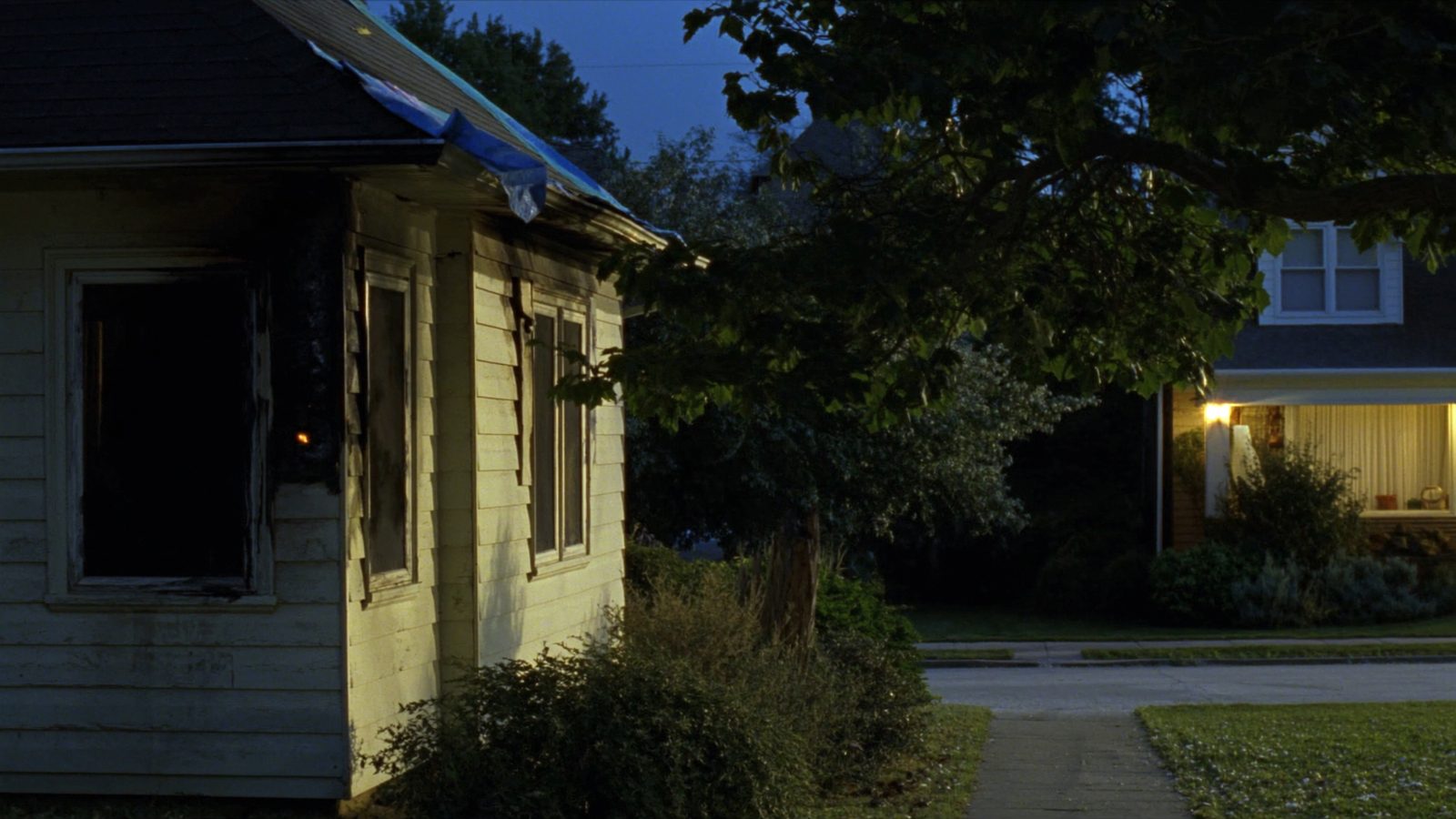
Selling a fire-damaged house in Ohio means transferring title as-is to a cash buyer, typically in 7 to 21 days, with no repairs required. Ohio Revised Code §5302.30 requires sellers to disclose the fire as a material defect on the Residential Property Disclosure Form, but it does not require remediation. Cash buyers typically offer 55 to 70 percent of after-repair value depending on damage severity.
Can you sell a fire-damaged house in Ohio?
Yes. Ohio permits the sale of any residential property in any condition, including post-fire, as long as the seller provides the statutory disclosure. There is no Ohio statute that forces remediation, re-inspection, or rebuild before title transfer. The Ohio Division of Real Estate confirms as-is conveyance is legal for owner-occupied and investor-held one- to four-family properties.
Ohio logged roughly 22,000 residential structure fires in 2024, according to the Ohio Fire Marshal. Most of those properties ultimately transact within 12 months, and the majority move through investor channels rather than the open market. Financed retail buyers cannot close on a property the lender deems uninhabitable, FHA, VA, and conventional appraisal guidelines all flag active fire damage as a condition defect. That's why cash buyers dominate this niche in Cuyahoga County, Franklin County, Hamilton County, Montgomery County, and Lucas County.
If the fire occurred more than 60 days ago and the property has been boarded up, utilities disconnected, or tagged by the Cleveland Fire Department or any other municipal fire marshal, you may also need a certificate of no-occupancy. Cash buyers absorb those steps; retail buyers typically walk.
Do you have to disclose fire damage when selling a house in Ohio?
Yes, disclosure is mandatory. Ohio Revised Code §5302.30 requires the seller of any residential one- to four-family property to deliver a completed Ohio Residential Property Disclosure Form to the buyer before the purchase agreement is signed. Fire damage is explicitly a "material defect" under Ohio case law and must be disclosed even if remediated.
The statutory form, promulgated by the Ohio Division of Real Estate, asks direct questions about structural issues, roof, electrical, plumbing, and "other known material defects." You must report:
- Date of the fire
- Cause (if known), e.g., electrical, kitchen, arson
- Extent of damage (rooms affected, square footage, structural vs cosmetic)
- Any repairs performed, with permits pulled through the local building department
- Any open insurance claims
Failure to disclose exposes you to rescission claims, actual damages, and attorney fees. Ohio courts have repeatedly found sellers liable where a known fire was omitted, even for investor sales. The short version: put it on the form. Cash buyers expect it.
How much does fire damage reduce home value?
Fire damage typically reduces a home's pre-fire market value by 20 to 40 percent, according to the Appraisal Institute's guidance on post-casualty valuation. The exact discount depends on damage severity, remediation cost, and location.
Per the Insurance Institute for Business & Home Safety, the three damage tiers the industry uses:
- Smoke-only (cosmetic): 10-20% value reduction. Remediation $8,000-$25,000 per HomeAdvisor 2025 data.
- Partial structural (one to two rooms, no framing loss): 25-40% value reduction. Rehab $35,000-$80,000.
- Major structural (framing, roof, or total loss): 50-80% value reduction. Rebuild $60,000-$180,000+ per HomeAdvisor.
A Cleveland 1,400-square-foot single-family with a pre-fire ARV of $165,000 and a kitchen-origin partial structural fire would typically comp at $95,000-$110,000 as-is. The 2024 average U.S. residential fire insurance claim paid approximately $47,000 per the Insurance Information Institute, which gives you a directional sense of what carriers underwrite for typical losses.
Fire Damage Severity vs Value Impact
| Damage Severity | Value Reduction | Typical Rehab Cost | Cash Offer % of ARV |
|---|---|---|---|
| Smoke-only / cosmetic | 10-20% | $8K-$25K | 65-70% |
| Partial structural | 25-40% | $35K-$80K | 60-65% |
| Major structural | 50-80% | $60K-$180K+ | 55-60% |
Will insurance pay if I sell my fire-damaged house?
In most Ohio homeowner policies, yes, you keep the insurance proceeds even after selling the property. The loss occurred while you were the insured owner, so the claim is yours. Confirm the specifics with your carrier (State Farm, Allstate, Travelers, or your local insurer) and review the loss-payee clause.
Two configurations to understand:
- Seller keeps the claim. Most common. You settle directly with the carrier; the buyer purchases the damaged property at its as-is value. You walk away with both the sale proceeds and the insurance payout. The Ohio Department of Insurance confirms this structure is standard for Ohio policies.
- Claim assigned to buyer. Some cash buyers offer a premium if you assign the insurance claim to them at closing. This can work when the claim is still open and the buyer wants to pursue a larger settlement. Requires carrier approval.
If you have a mortgage, the lender is typically a loss payee on the policy. Insurance checks over a certain threshold (usually $5,000) will be issued jointly. Your payoff at closing satisfies the lender's interest, freeing the claim proceeds. Talk to your carrier and closing attorney before signing anything, don't assume. The National Fire Protection Association (NFPA) publishes consumer guides that cover this interaction in detail.
How long does it take to sell a fire-damaged house in Ohio?
A cash sale typically closes in 7 to 21 days. A traditional listing on the MLS for the same property commonly takes 90 days or more, if it sells at all.
Here's why cash crushes the timeline:
- No appraisal contingency. Lender appraisals on fire-damaged collateral fail routinely. Cash removes the lender.
- No inspection kill-switch. Retail buyers walk after inspection 60-80% of the time on fire-damaged homes. Cash buyers inspect before offer.
- No condition requirements. FHA and VA require habitability certifications. Conventional lenders require no active safety hazards. Cash has none of these gates.
- Title clears faster. Ohio title companies routinely clear fire-damaged properties in 5-10 business days.
Timeline: List on MLS vs Cash Buyer
| Stage | List on MLS | Sell to Cash Buyer |
|---|---|---|
| Prep / photos / listing live | 14-30 days | 0 days |
| Offer received | 30-60 days | 24-72 hours |
| Under contract to close | 30-45 days | 7-14 days |
| Total | 75-135+ days | 7-21 days |
Should I repair fire damage before selling or sell as-is?
Sell as-is in almost every case. The math rarely supports spending cash-in-hand to chase a retail sale that may or may not materialize.
Consider a typical Franklin County 3-bed, 2-bath with a kitchen fire:
- Pre-fire ARV: $210,000
- Rehab estimate (smoke + partial structural): $55,000 per HomeAdvisor
- Time to remediate: 3-5 months
- Holding costs (taxes, utilities, insurance): $450/month × 4 months = $1,800
- Realtor commission on retail sale (6%): $12,600
- Estimated retail net: $210,000 - $55,000 - $1,800 - $12,600 = $140,600
- As-is cash offer (63% of ARV): $132,300
The spread is ~$8,300, but that ignores the risk that rehab runs over, the retail buyer's lender balks, or the deal falls apart entirely. For most sellers, especially those mid-crisis, the certainty premium of cash outweighs the retail spread. The Ohio Fire Marshal's 2024 consumer guidance explicitly flags the DIY-rehab trap as the biggest financial mistake fire-loss sellers make.
Repair first only makes sense when: (a) insurance is paying the full rehab directly to contractors via ServiceMaster or ServPro, (b) you plan to live in the house post-rehab, or (c) the fire was purely cosmetic smoke staining under $10,000 to remediate.
Fire Damage: List vs Cash-Buyer Decision Matrix
| Dimension | List on MLS | Sell to Cash Buyer |
|---|---|---|
| Timeline | 75-135+ days | 7-21 days |
| Offer % of ARV | 85-95% (after rehab) | 55-70% (as-is) |
| Repairs required | Yes, full remediation | None |
| Disclosure burden | Full §5302.30 disclosure | Full §5302.30 disclosure |
| Insurance claim interaction | Seller settles first, then lists | Seller can keep claim or assign it |
| Carry costs | $1,500-$3,000+ (taxes, utilities, insurance) | ~$0 |
| Deal certainty | Low (financing + inspection risk) | High (non-contingent) |
What's the process for selling a fire-damaged home to a cash buyer?
The cash process is five steps and usually closes inside three weeks. Start immediately after the fire, don't wait for insurance to settle first, because the claim often outlives the close.
- Stabilize and document. Board up broken windows and doors. Disconnect utilities if the fire department hasn't already. Request the official fire report from the Cleveland Fire Department (or your municipal fire marshal). Photograph every damaged room. Notify your carrier within 48 hours.
- Complete the Ohio Residential Property Disclosure Form. List the fire, date, cause, scope, and any insurance activity. Don't minimize, Ohio Revised Code §5302.30 expects full candor.
- Request two to three cash offers. Contact vetted local buyers. Share the fire report, disclosure form, and photos. Expect written offers in 24-72 hours. Ask for proof of funds.
- Sign the as-is purchase agreement and open title. The buyer opens title with a local Ohio title company or closing attorney. Title clears in 5-10 business days. You are NOT responsible for any repairs, cleanouts, or utility reconnection during escrow.
- Close and wire proceeds. Closing happens at the title company. The deed transfers, you receive wire proceeds, and you retain your insurance claim unless you've agreed to assign it. Total elapsed time: 7 to 21 days.
For sellers in Cuyahoga County dealing with post-fire code enforcement notices, cash buyers often close fast enough to avoid board-up fees and accumulated city liens that would otherwise come off your net at closing.
Related Reading
- Sell a House With Code Violations in Ohio: 2026 Seller Guide
- How to Sell a House in Probate in Ohio: Step-by-Step Guide for Heirs
- How to Sell a House With Lead Paint in Ohio: 2026 Homeowner's Guide
- How to Calculate ARV for Investment Properties (2026)
- How to Estimate Rehab Costs: Step-by-Step Framework
- Cleveland Real Estate Market Analysis 2026: Why Investors Are Piling In
Frequently Asked Questions
Can I sell a fire-damaged house in Ohio without repairing it?
Yes. Ohio law does not require sellers to repair fire damage before closing. You can transfer title in as-is condition to a cash buyer or investor, provided you complete the Ohio Residential Property Disclosure Form disclosing known material defects. Most as-is cash transactions close in 7 to 21 days.
Do I have to disclose a past fire to a buyer in Ohio?
Yes. Ohio Revised Code §5302.30 requires sellers of residential one- to four-family properties to disclose known material defects, including prior fire damage, smoke damage, and any structural repairs. Failure to disclose can expose you to rescission claims, damages, and attorney fees under Ohio case law. Disclose even if the fire was years ago and fully remediated.
How much does fire damage decrease a home's value in Ohio?
Fire damage typically reduces pre-fire market value by 20 to 40 percent, according to the Appraisal Institute. Smoke-only damage trends toward the lower end (10 to 20 percent). Structural fires with roof or framing loss can exceed 50 percent. The exact discount depends on remaining useful life, structural integrity, and local comps in Cuyahoga, Franklin, Hamilton, Montgomery, or Lucas County.
Will my insurance still pay out if I sell the damaged house?
In most Ohio policies, the homeowner retains the insurance claim proceeds even after sale, because the loss occurred while you owned the property. You can sell the house as-is and keep the claim. Confirm with your carrier, State Farm, Allstate, Travelers, or your local insurer, and check your policy's loss-payee language before signing a purchase agreement with a cash buyer.
How long does it take to sell a fire-damaged house in Ohio?
A cash sale typically closes in 7 to 21 days from signed purchase agreement. A traditional MLS listing for a fire-damaged property often takes 90 days or more, because financed buyers cannot close on uninhabitable collateral. Cash buyers avoid lender appraisal, habitability inspections, and FHA or VA condition requirements that kill retail deals on post-fire properties.
Should I clean up smoke damage before selling?
Usually no. Professional smoke remediation from ServiceMaster or ServPro runs $8,000 to $25,000 per HomeAdvisor and rarely recovers dollar-for-dollar in sale price. Cash buyers price remediation into their offer. Unless your insurance is paying directly for the cleanup, selling as-is typically nets a similar bottom line with far less hassle, risk, and timeline drag.
What paperwork do I need to sell a fire-damaged home in Ohio?
You need the deed, the Ohio Residential Property Disclosure Form with fire damage disclosed, the fire report from your local fire department, any insurance claim paperwork, and proof of any permitted repairs from the municipal building department. The closing attorney or title company verifies that property taxes are current with the county auditor and that no city liens are attached.
Where can I read the official Ohio disclosure statute?
The full statute lives at codes.ohio.gov, under Ohio Revised Code §5302.30. The Ohio Division of Real Estate also publishes the current version of the Residential Property Disclosure Form. Both are free and updated regularly. For insurance-side guidance, the Insurance Information Institute at iii.org publishes consumer claim guides.

Founder of Home Pros, operator across 48 markets, closed 300+ investor transactions since 2021. More about Trevor →
External references: Ohio Revised Code §5302.30 | Insurance Information Institute | National Fire Protection Association | HomeAdvisor Cost Data